
Explore Zhangjiajie
Zhangjiajie
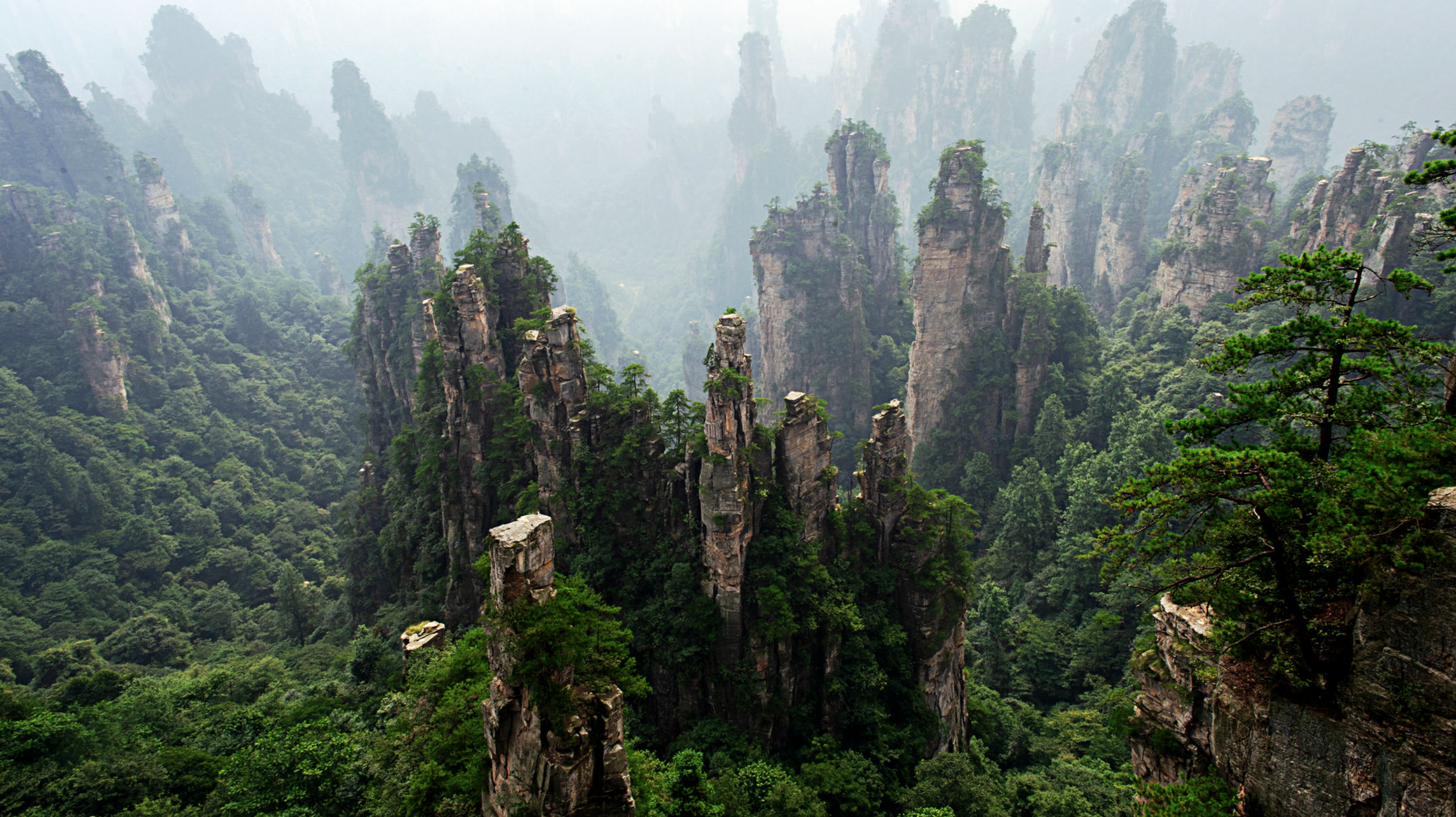
Stepping into Zhangjiajie feels like entering a natural wonder billions of years in the making.
More than 3,000 quartz-sandstone pillars rise sharply from the earth, crisscrossing, towering, and sculpted into shapes that defy imagination. This is the real-world Pandora: an expanded, magnified version of the world seen in Avatar, where mountains appear to float in drifting clouds, and the rainforest glows with layered colour. When the mist rises, the peaks seem to hover in mid-air, creating a landscape so surreal that you half expect blue-skinned Na'vi riders to emerge from between the cliffs.
Beyond its iconic pillar forests, Zhangjiajie is also home to lush primary woods, deep gorges, and the ancient, mysterious Tujia shamanic tradition known as Wunuo culture.
With Eastogo, you can leave the crowded viewpoints behind and follow our carefully chosen hidden trails, walking quiet forest paths, discovering the subtleties of nature, and exploring the fascinating local culture that most travellers never encounter.
Join Eastogo’s small-group tours, private journeys, or self-guided routes, and discover Zhangjiajie in your own way.
HIGHLIGHTS Of Zhangjiajie
BEST EXPERIENCES

Binglang Valley Trek
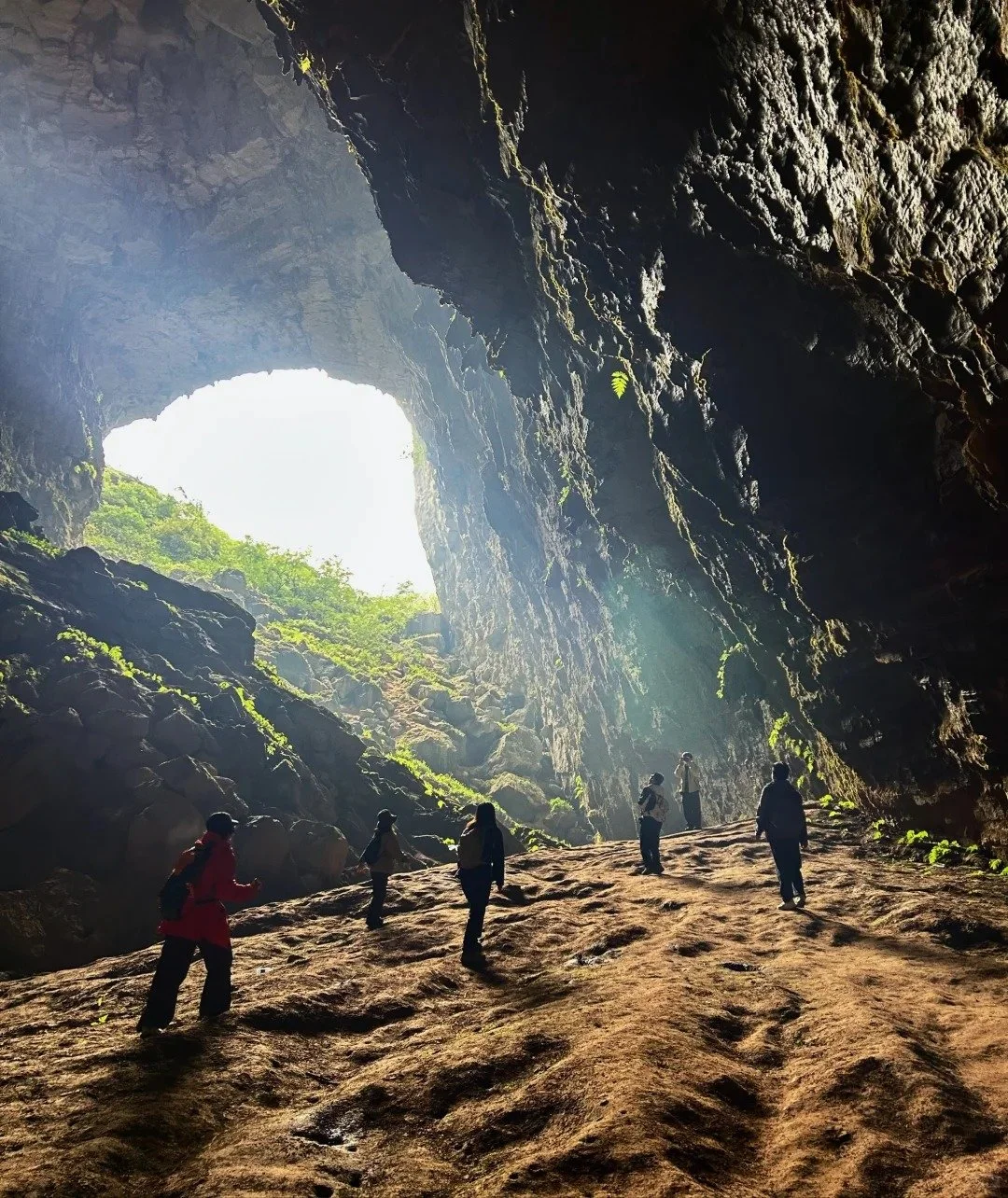
A hidden treasure for outdoor lovers, this route leads you through pristine forests, karst caves, and dramatic geological fissures, far from the crowds and deep within Zhangjiajie’s raw beauty. Choose a 3-hour hike or a 6-hour full traverse, guided by our expert team for a safe and unforgettable adventure.
Qixing Mountain Via Ferrata
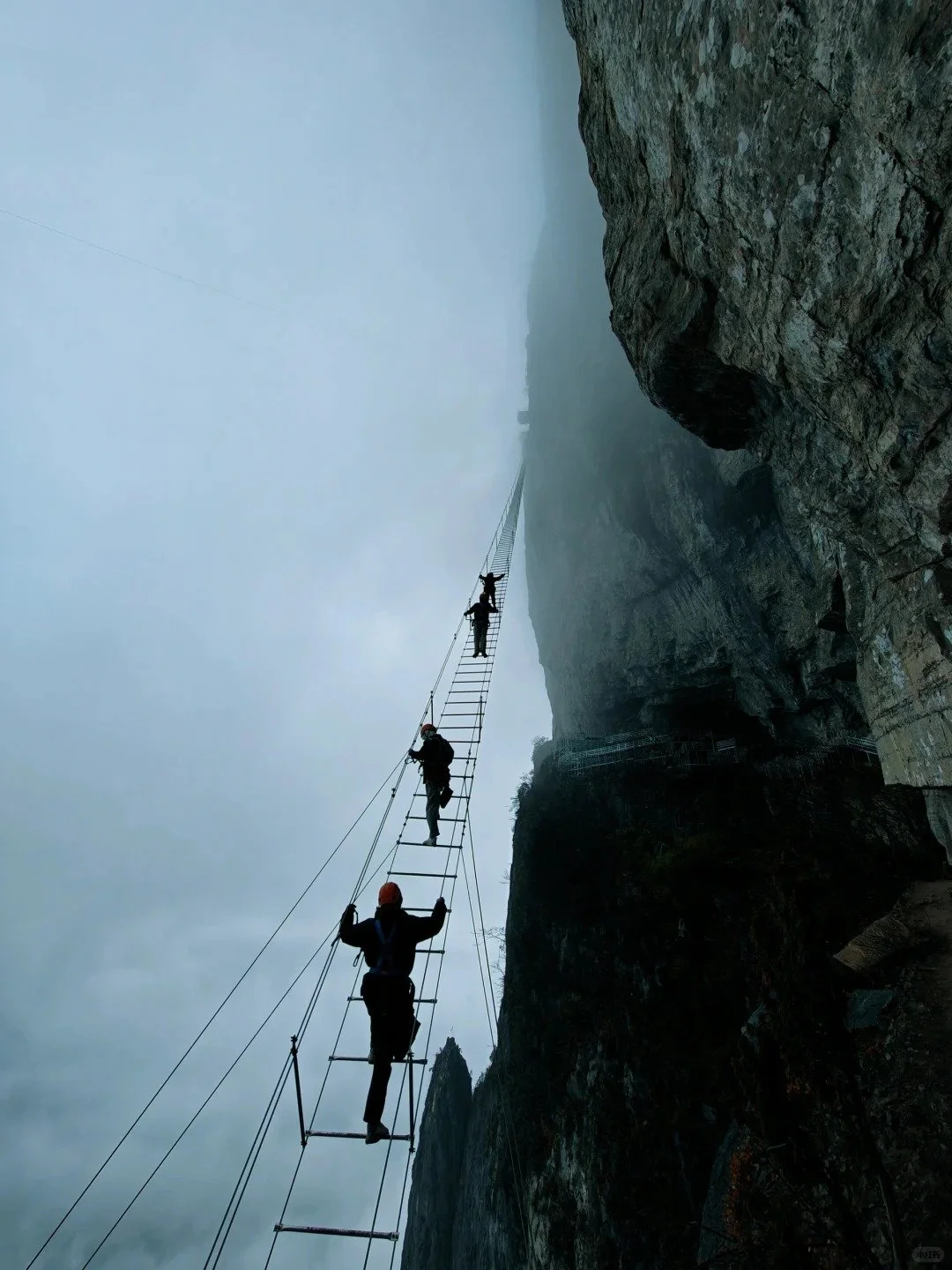
With a main route stretching 1,200 meters and a vertical drop of over 1,000 meters, this is the longest via ferrata in Asia. A must-try adventure for outdoor enthusiasts and one of the most thrilling ways to experience Zhangjiajie’s towering cliffs.
Miao Market Day in Hekou Town
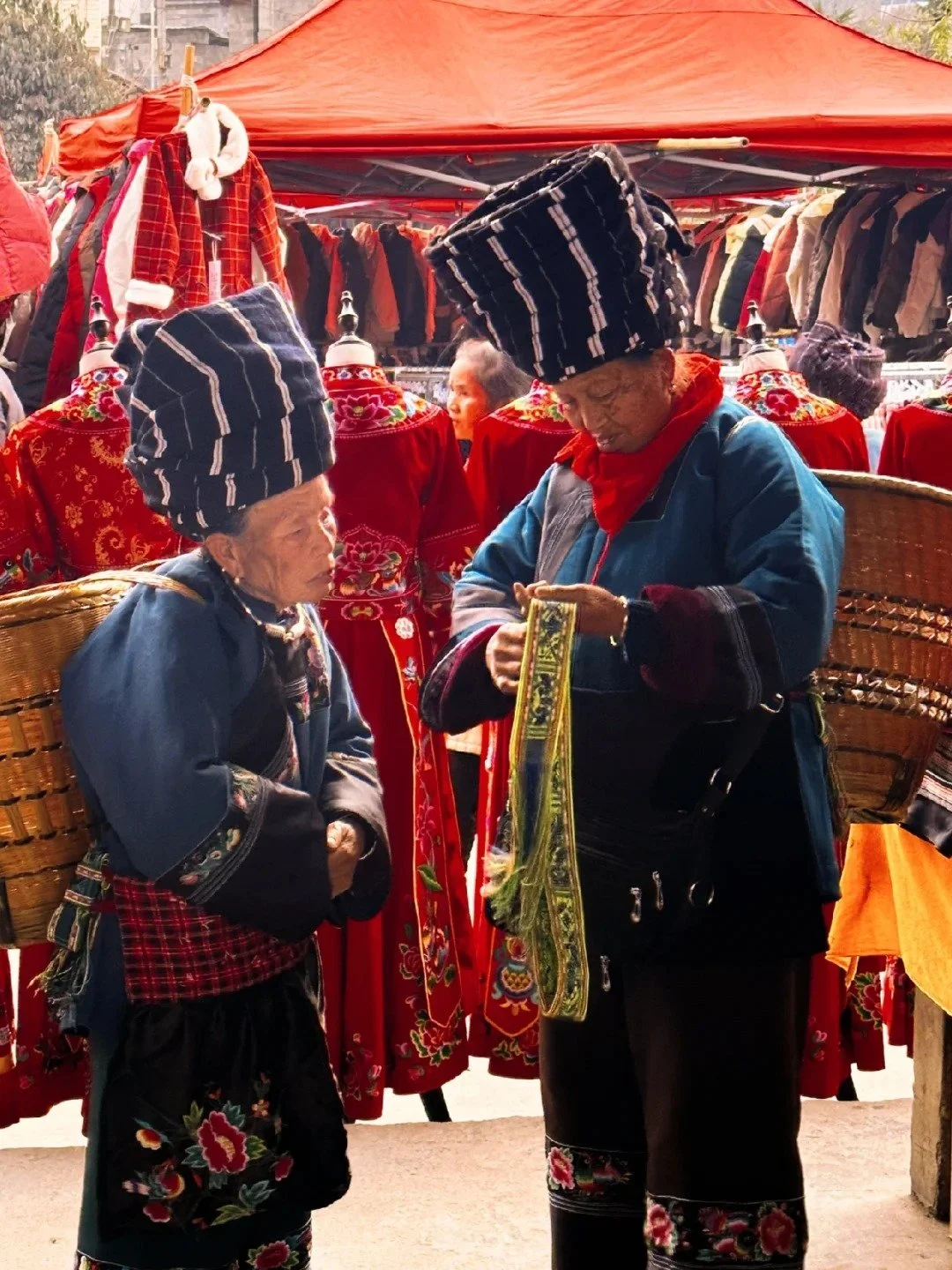
Phoenix Ancient Town is a must-visit, but it has become heavily commercial and lost much of its ethnic character. With Eastogo, you’ll venture to nearby Hekou, where you can join the local Miao community on their traditional market day and step directly into everyday life.
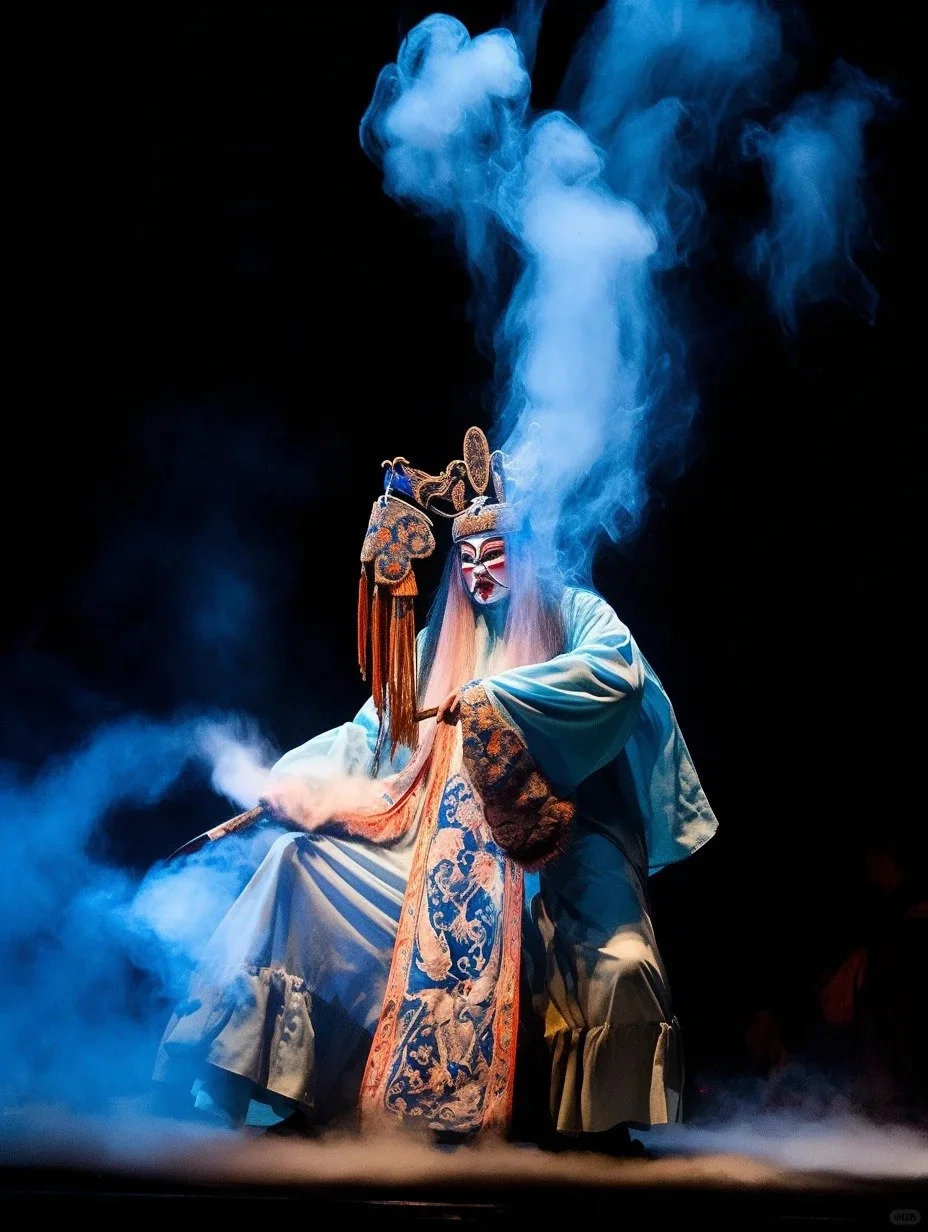
Nuo Opera Experience
Witness a soul-stirring performance of Nuo opera and step inside a traditional studio to explore one of China’s oldest theatrical forms. Originating in the Shang and Zhou dynasties, Nuo rituals use dance, masks, and music to dispel evil and invite blessings—offering a rare glimpse into an ancient spiritual tradition that still lives on today.
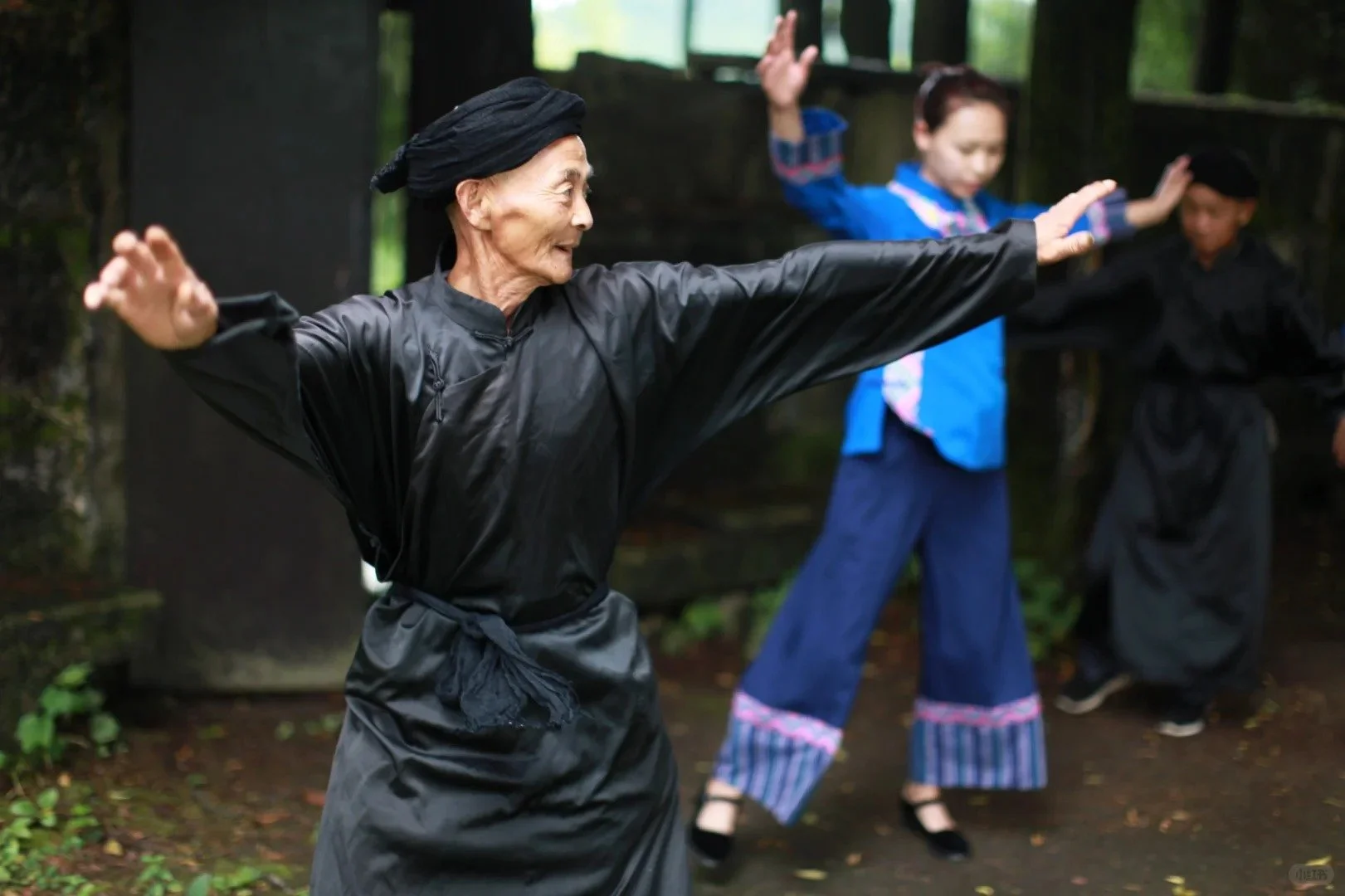
Tujia Baishou Dance Performance
Experience the Baishou Dance, the most iconic large-scale dance of the Tujia people. Rich in ritual symbolism, it originated from ancient ceremonies in which Tujia ancestors expressed hunting, farming, and the movements of birds and animals through powerful, rhythmic gestures.
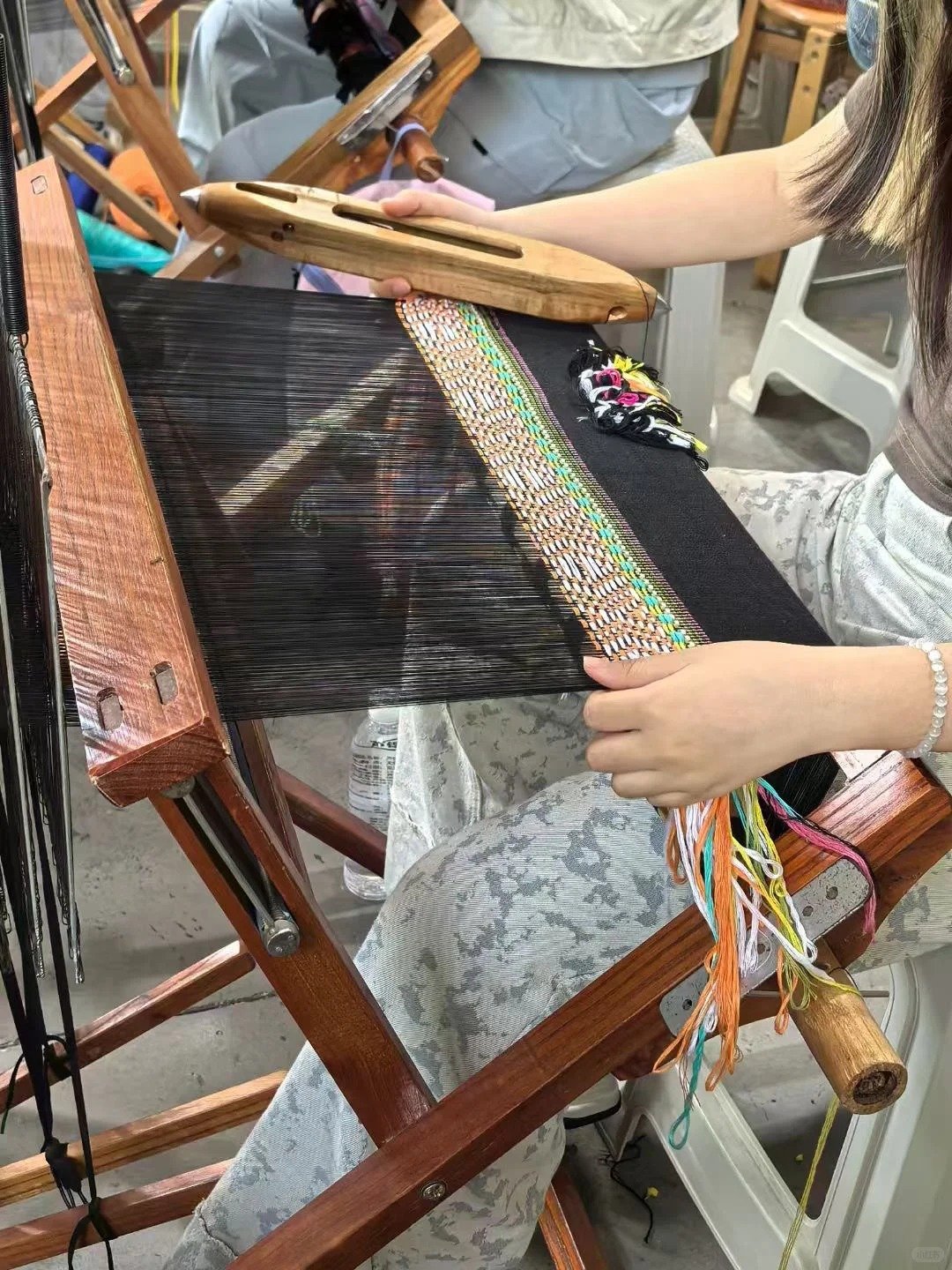
Create Your Own Tujia Brocade
Try your hand at crafting Tujia brocade, an exquisite textile tradition preserved deep in the mountains. With over 3,000 years of history and more than 400 unique patterns, Tujia brocade reflects the community’s hopes, blessings, and pursuit of a beautiful life. Experience the artistry behind one of China’s most stunning folk crafts.
Explore Zhangjiajie in your own way. Speak with our local experts to craft the journey that fits you best—whether it’s a private tour or one of our carefully designed self-guided routes.Zhangjiajie Private & Self-guided Tours
Please speak with our travel planner to request a sample itinerary and begin designing your tailor-made journey.


Best time to visit
Zhangjiajie offers striking scenery throughout the year. Spring (March–May) is mild at 15–25°C, with blooming rhododendrons and the best cloud-sea views on Tianmen Mountain from mid-April to late May.
Summer stays comfortable at 25–30°C, making it an ideal escape from the heat. This is when the Grand Canyon is at its greenest and most refreshing.
Autumn (September–November) brings clear skies, excellent visibility, and vibrant colours across the forested peaks—one of the best seasons to explore without heavy crowds.
Winter transforms Zhangjiajie into a quiet, snowy landscape. Temperatures drop, and some mountain paths may close due to ice, but the serene snow-covered scenery offers a unique charm for those seeking a winter experience.
Whole year
Best Months
Temperature
–3°C to 38°C
Weather
Changeable
Top Places to Visit in Zhangjiajie
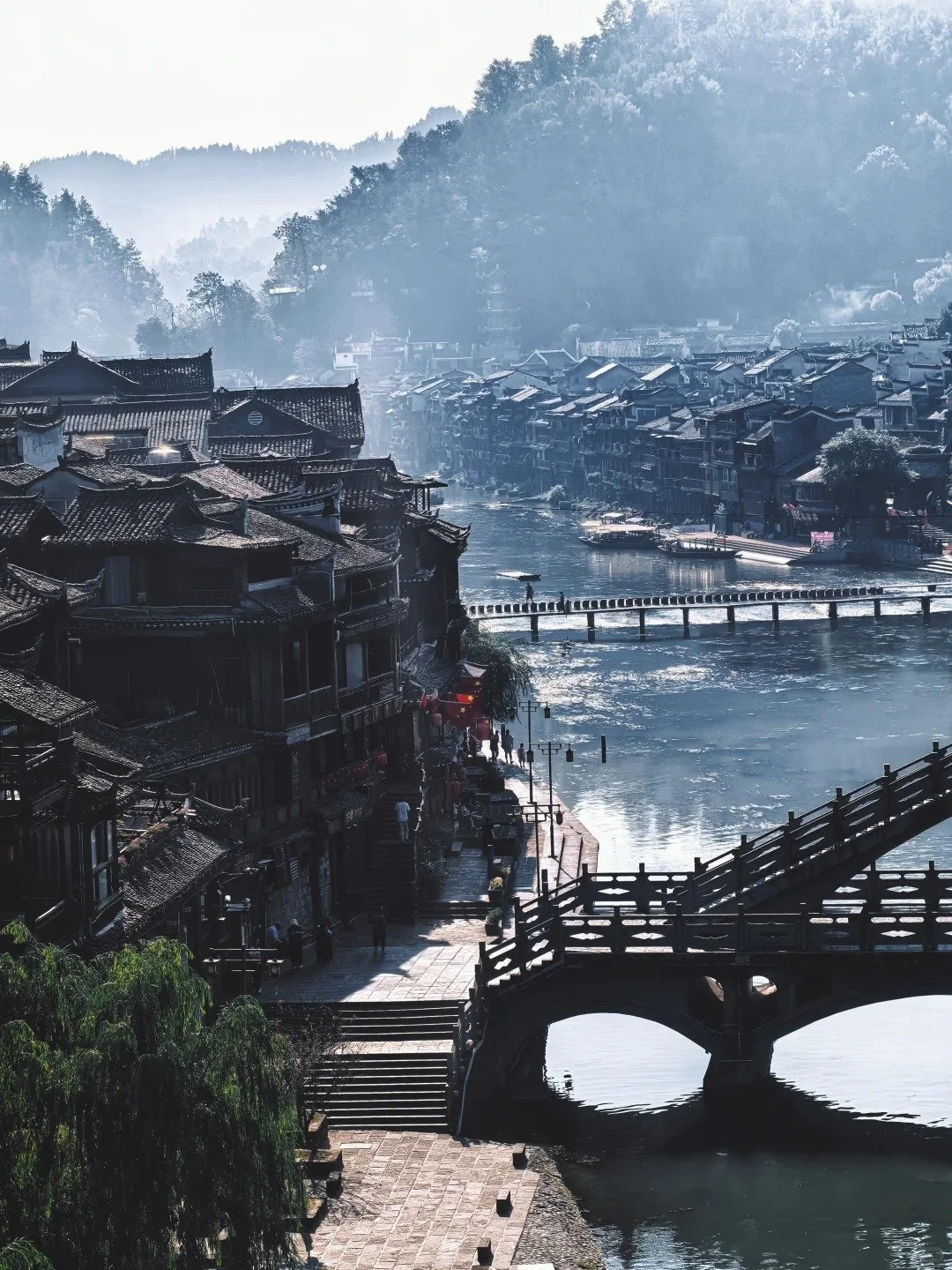
Phoenix Ancient Town
Founded in 1556 and shaped by more than five centuries of history, Phoenix Ancient Town preserves an exceptionally intact layout and architectural style from the Ming and Qing dynasties, often celebrated as one of China’s most beautiful towns. Its name comes from the mountain behind it, said to resemble a phoenix spreading its wings, while the Tuojiang River flows right through the old town.
Home to 28 ethnic groups, including the Miao, Han, and Tujia, it remains a living tapestry of minority cultures.
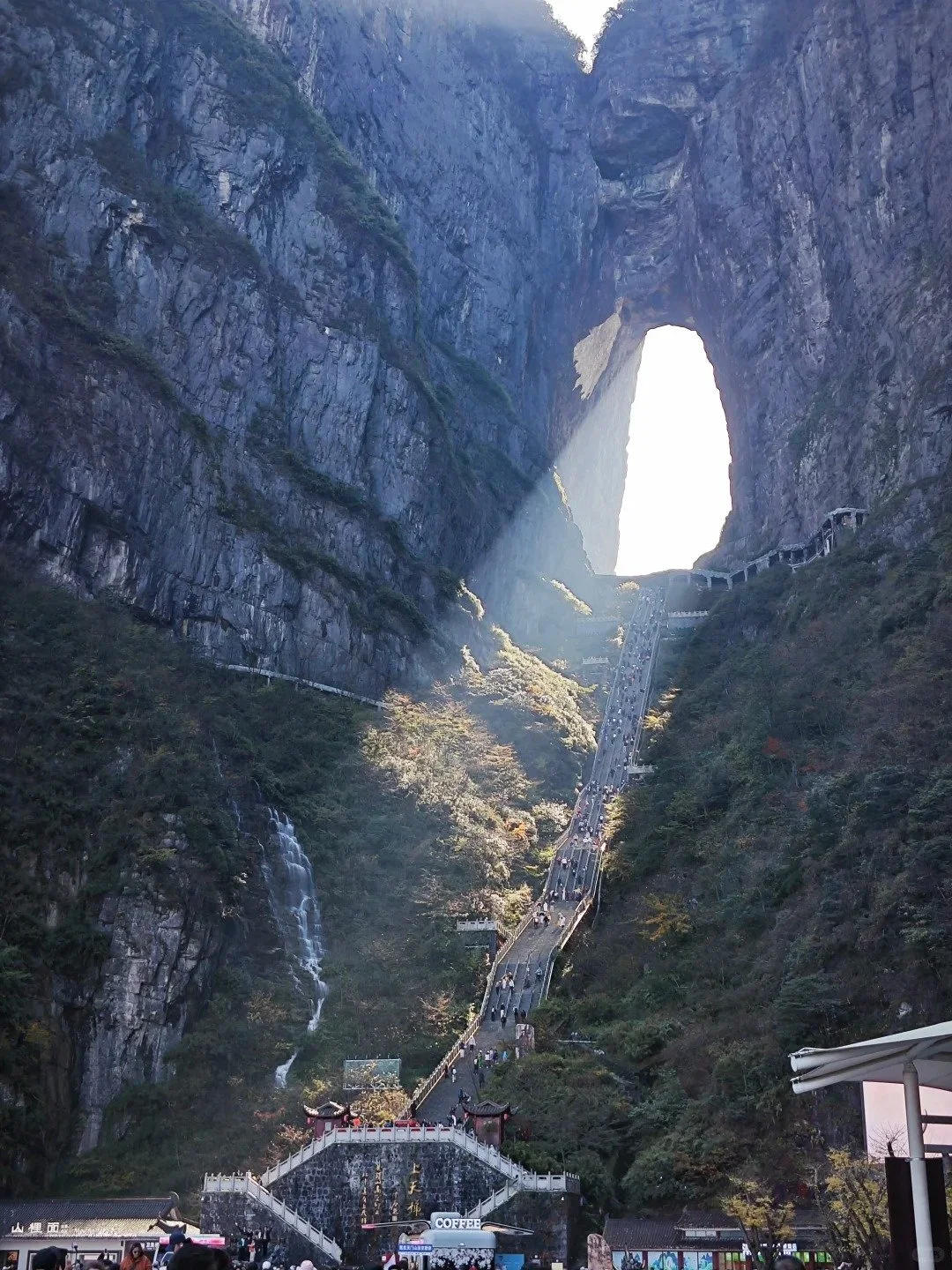
Tianmen Mountain
Often called the “soul of Zhangjiajie” and revered as the most sacred mountain of Western Hunan Province, Tianmen Mountain is crowned by the world’s highest natural arch, Tianmen Cave, an enormous gateway carved through the peak, as if opening a passage to the celestial realm. If you visit Zhangjiajie, this is a landmark you simply cannot miss.
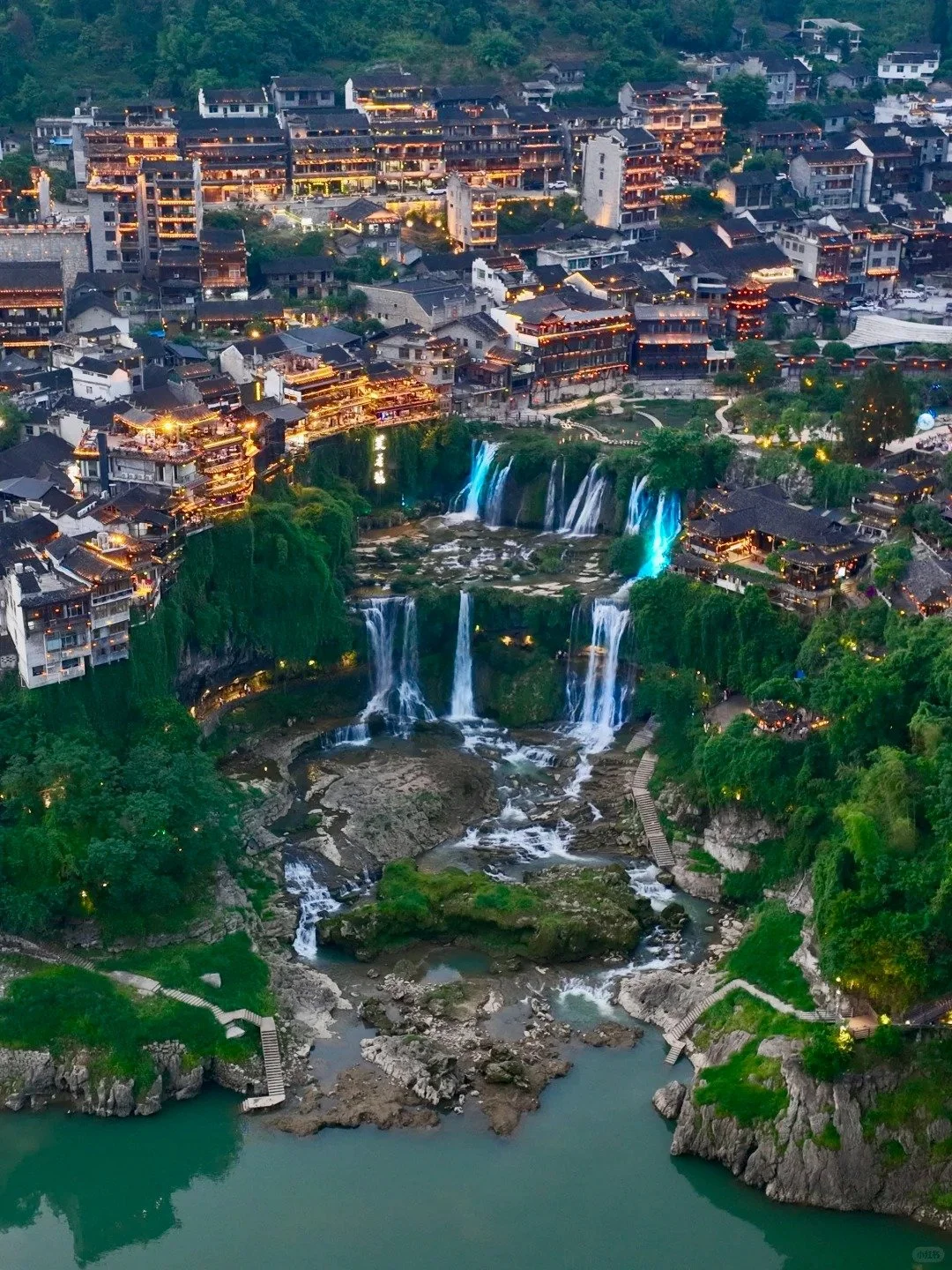
Furong Ancient Town
With cascading cliffs, glowing lanterns, and roaring waterfalls, Furong Town is often described as “a thousand-year-old ancient town hanging above a waterfall.” Originally known as Wang Village, it has been home to the Tujia people for over 2,000 years. Surrounded on three sides by water, Furong stands above the spectacular You River Falls, which plunge dramatically through the heart of the town, its most defining scene.
With its unique setting atop thundering waterfalls, Furong Ancient Town is truly one of a kind.
