Explore Yunnan
Yunnan
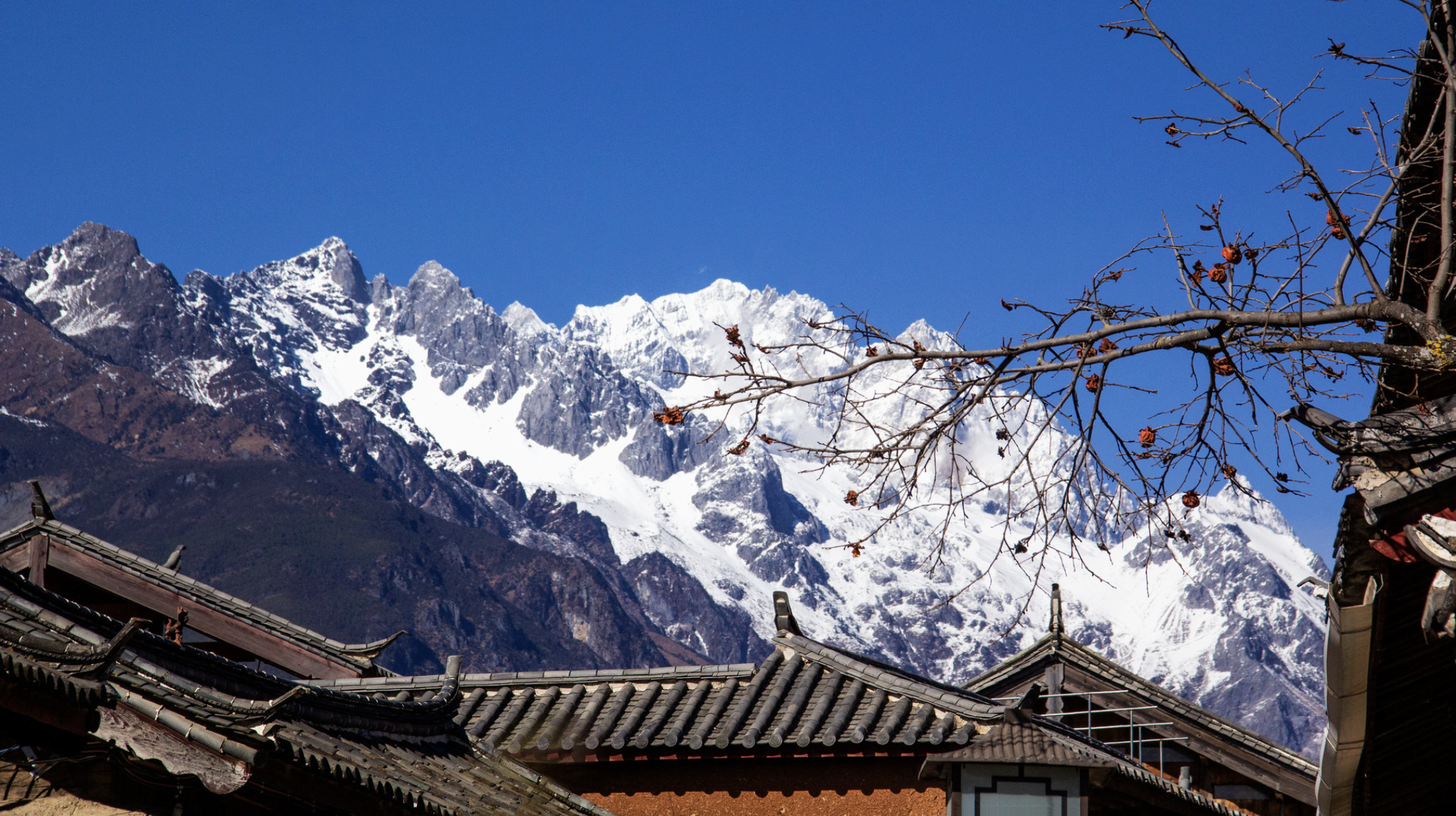
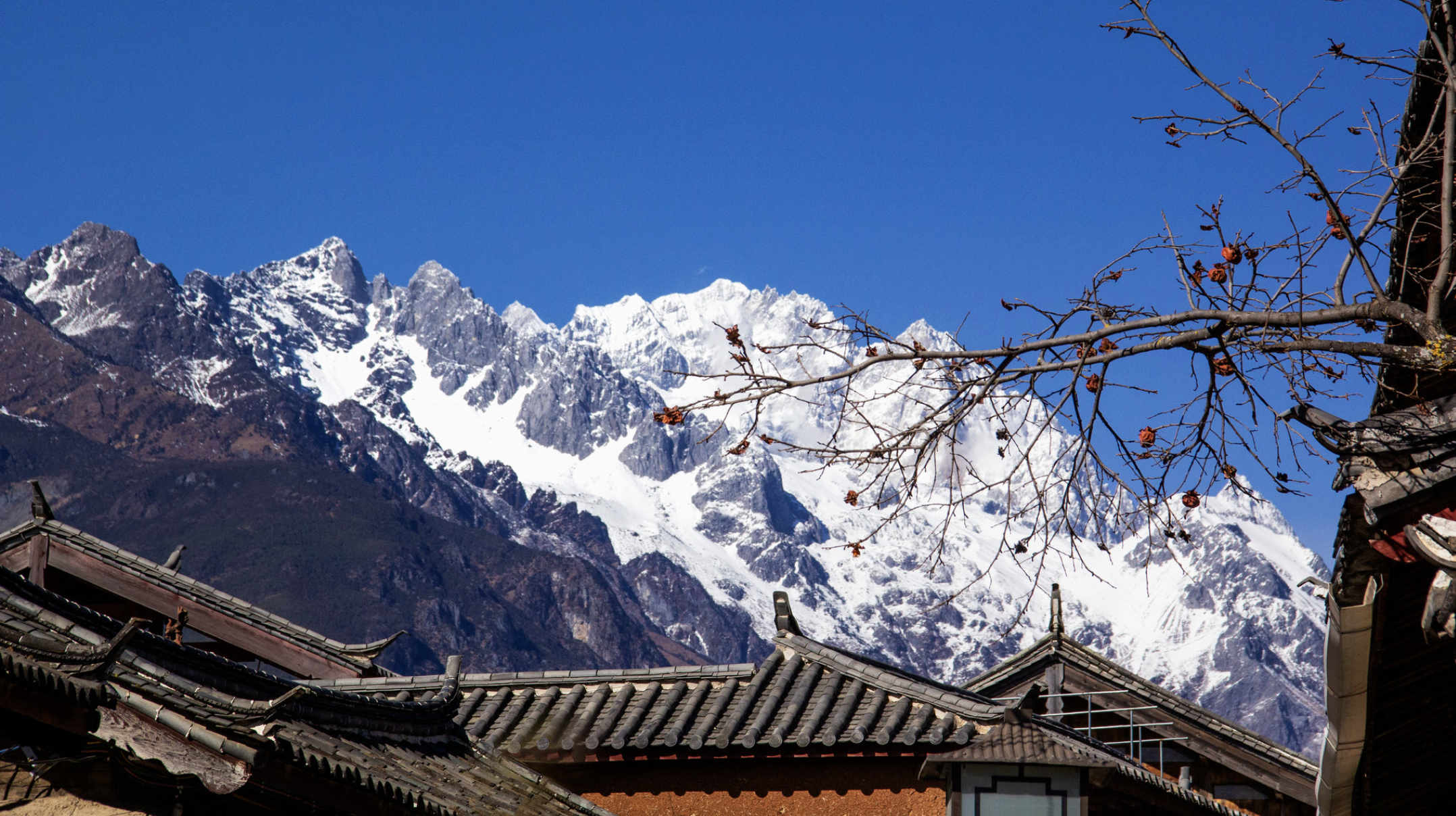
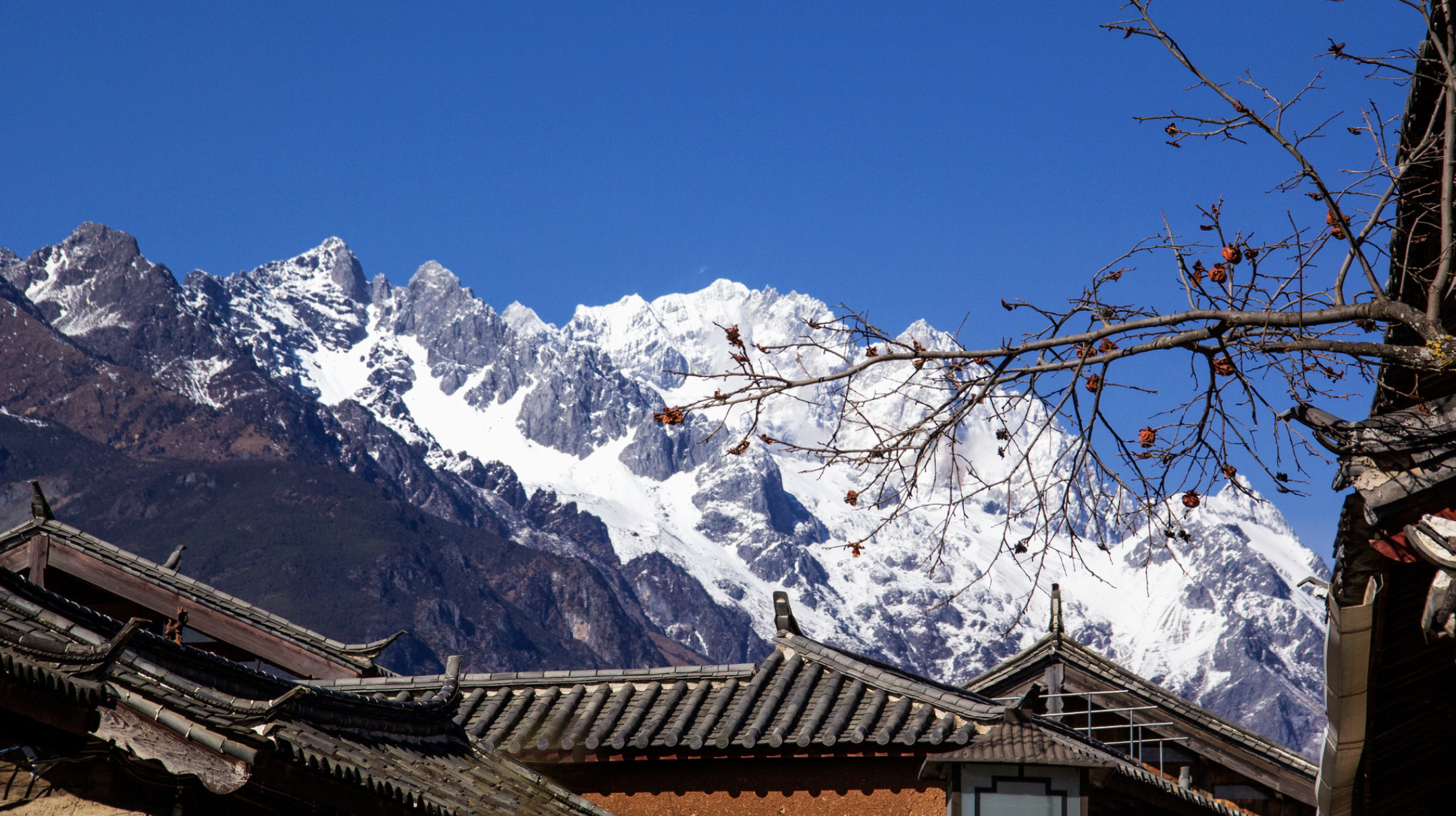
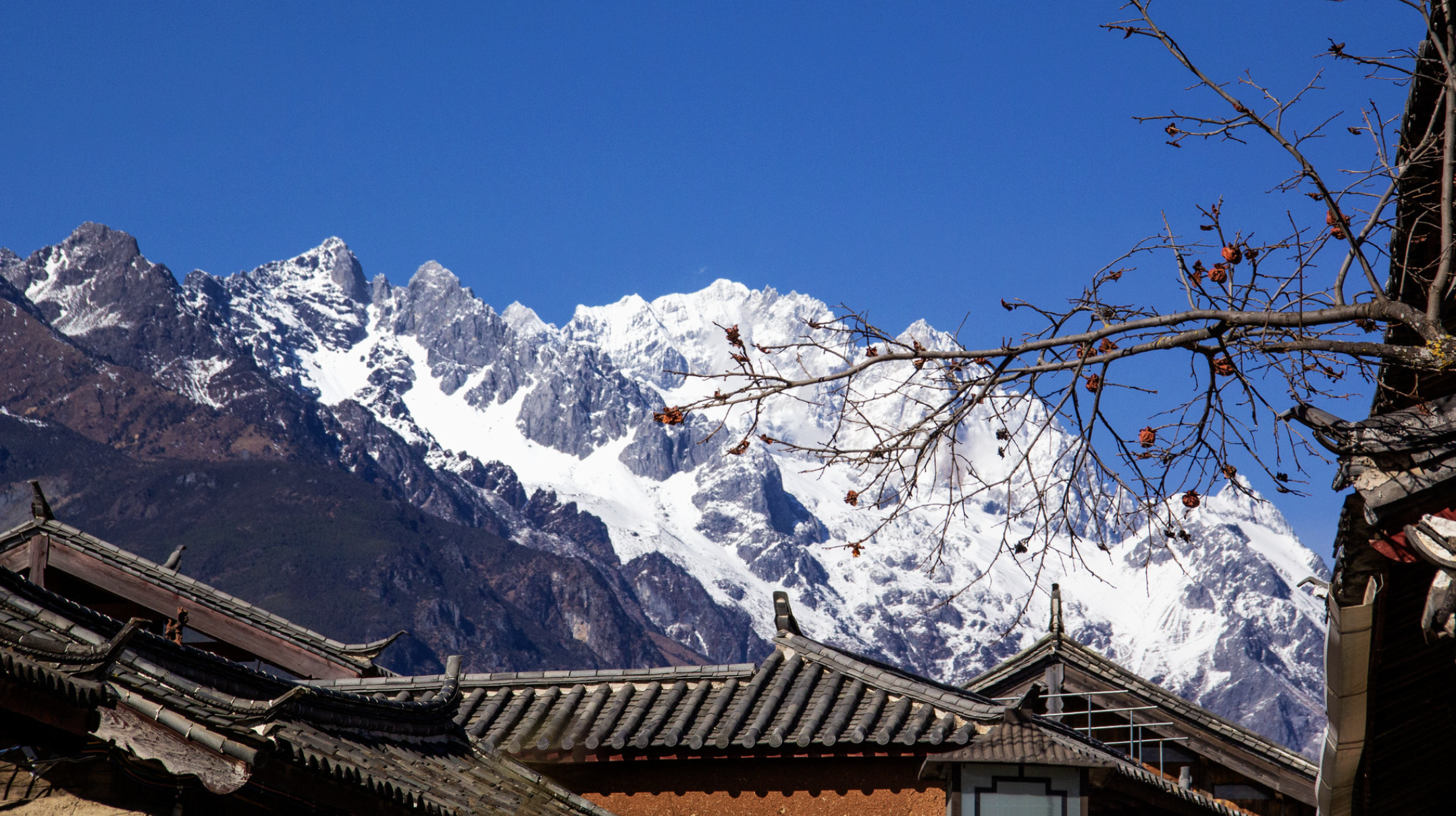
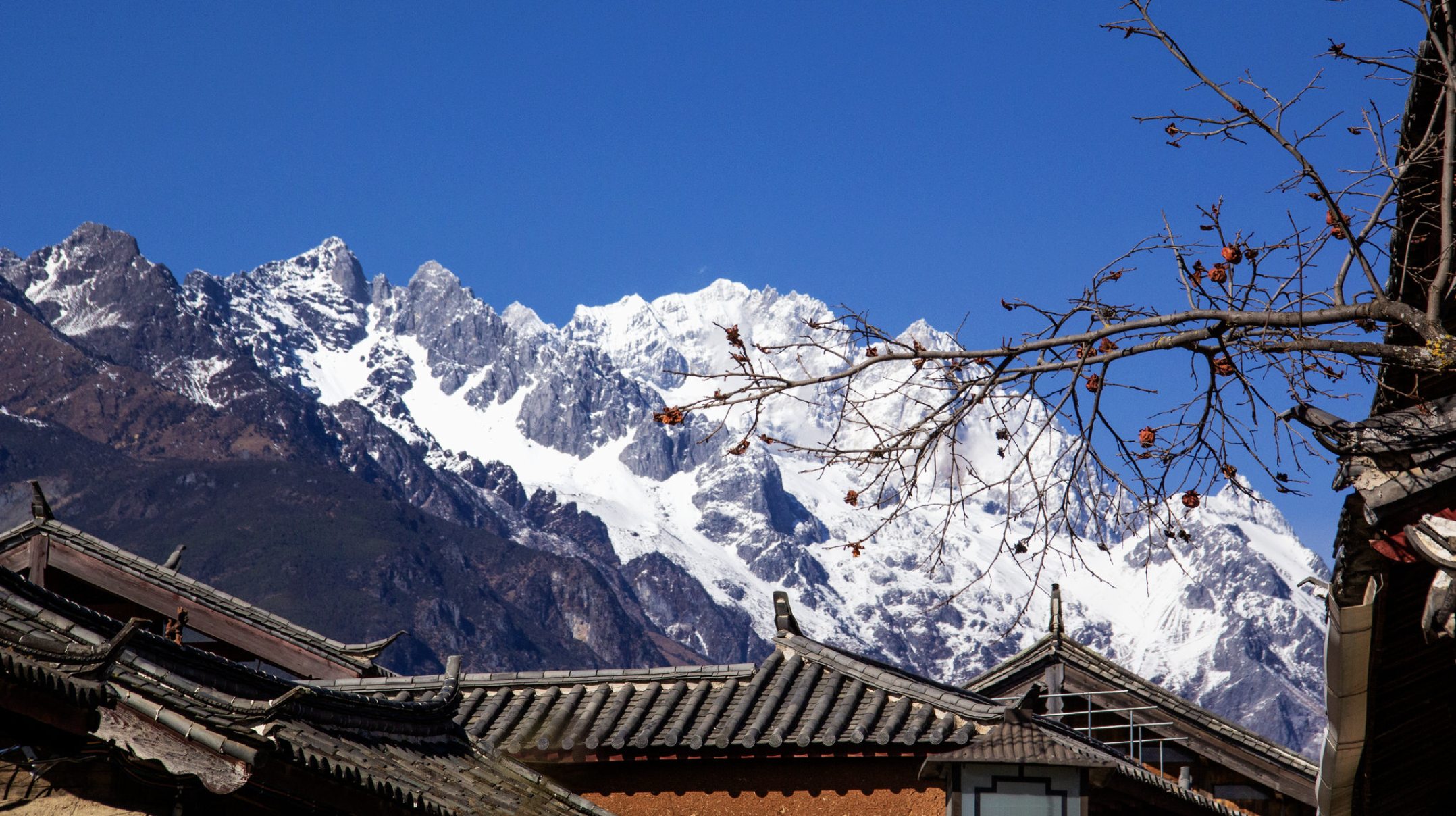
Yunnan stands as China’s most culturally diverse province, home to an exceptional concentration of minority groups whose traditions shape a vibrant and enduring cultural landscape. It is equally a sanctuary of biodiversity: ancient forests, endemic species, and majestic gorges and snow-capped mountains blending seamlessly with timeless villages and living heritage. Whether your passion lies in culture, trekking, or wildlife, Yunnan has a way of capturing the heart.
Northwestern Yunnan is where soaring peaks meet the traditions of the Naxi, Bai, and Tibetan communities. Explore the timeless charm of Lijiang and Dali’s old towns, step inside a Naxi home and experience their living traditions, learn to paint the Baisha fresco, or try your hand at Bai indigo tie-dye. In Shangri-La, Tibetan heritage runs deep; monasteries, sacred mountains, and yak-grazing highlands set the scene. The world-class trails of Haba Snow Mountain, Tiger Leaping Gorge, and Mt. Kawagarbo await trekkers seeking both challenge and inspiration.
Southern Yunnan shifts into lush rainforest valleys and ancient tea mountains. Wander through centuries-old villages in Jingmai, birthplace of one of the world’s most renowned teas—Pu’er. Join local families to craft bamboo-tube tea, cook traditional dishes with the Bulang people, or sample some of China’s finest high-altitude coffee at its source.
For wildlife lovers, Yunnan is unparalleled. It is home to some of China’s most iconic and endemic species, the Western Black-crested Gibbon, the Yunnan Snub-nosed Monkey, Temminck’s Tragopan, Lady Amherst’s Pheasant, and the Black-necked Crane, all found roaming freely through forests and alpine valleys.
Join Eastogo’s small-group tours, private journeys, or self-guided routes, and discover Yunnan in your own way.
HIGHLIGHTS Of Yunnan
BEST EXPERIENCES
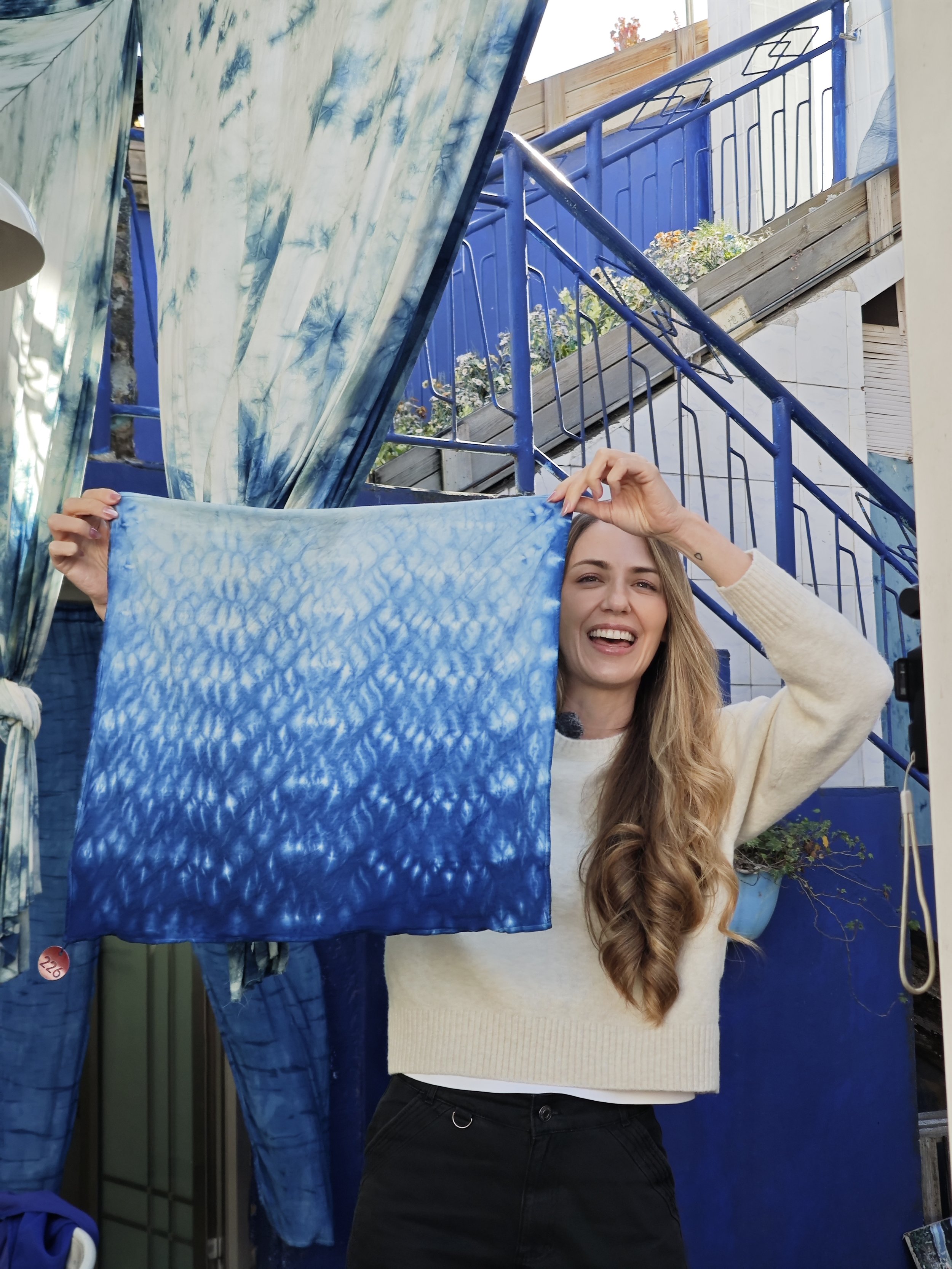

Bai Indigo Tie-Dye Experience
Guided by a local Bai grandmother, craft your own tie-dye using natural plant dyes. Stitch, bind, and dye your fabric, then reveal a unique pattern, an experience that brings you closer to a handmade tradition preserved for generations.
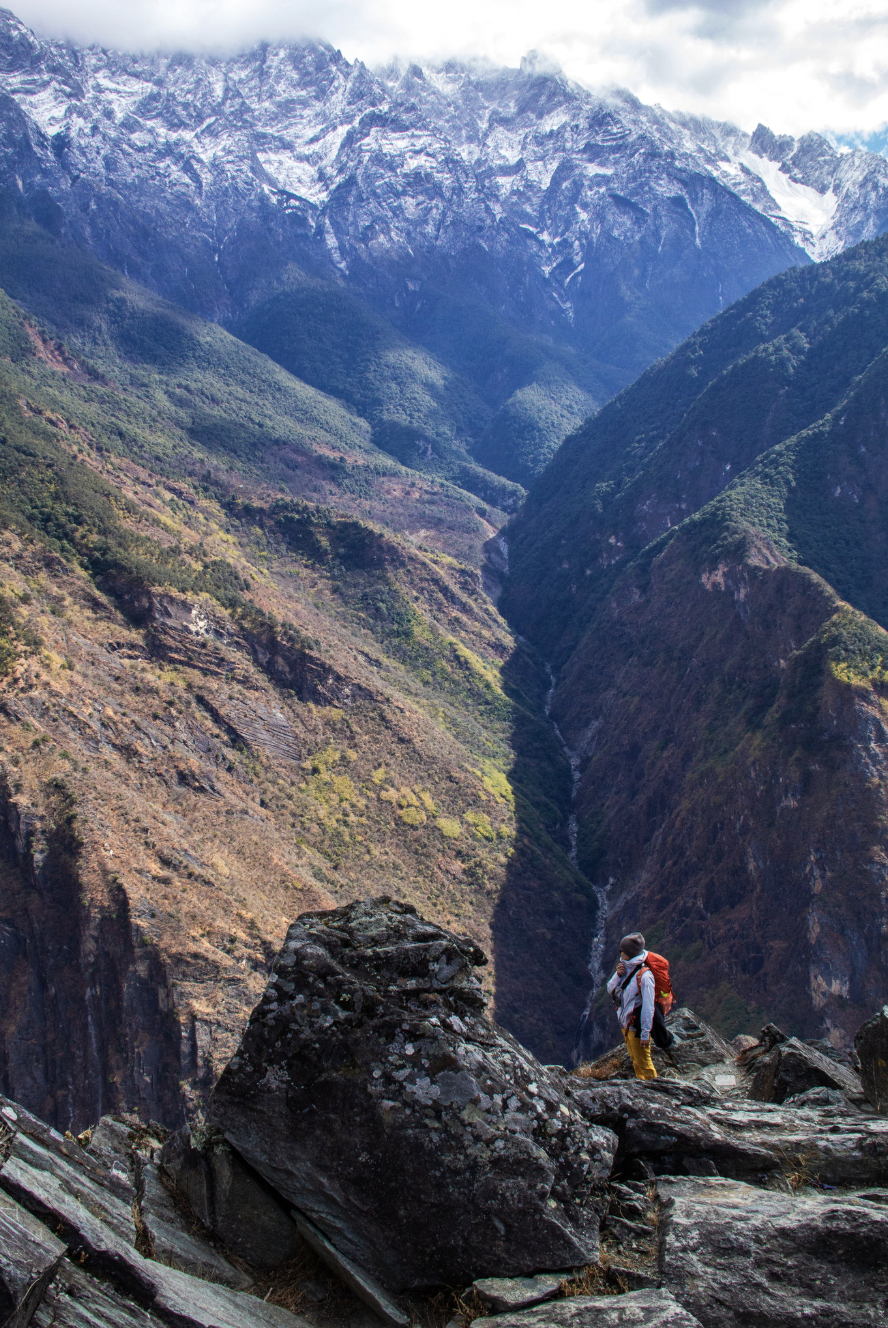
Tiger Leaping Gorge High Trail Trek
Hike one of the world’s most stunning trekking routes with our professional guide — the High Trail of Tiger Leaping Gorge. Snow mountains, deep gorges, roaring rivers, vertical cliffs, and waterfalls unfold along the way, showcasing nature’s grandeur at every turn.
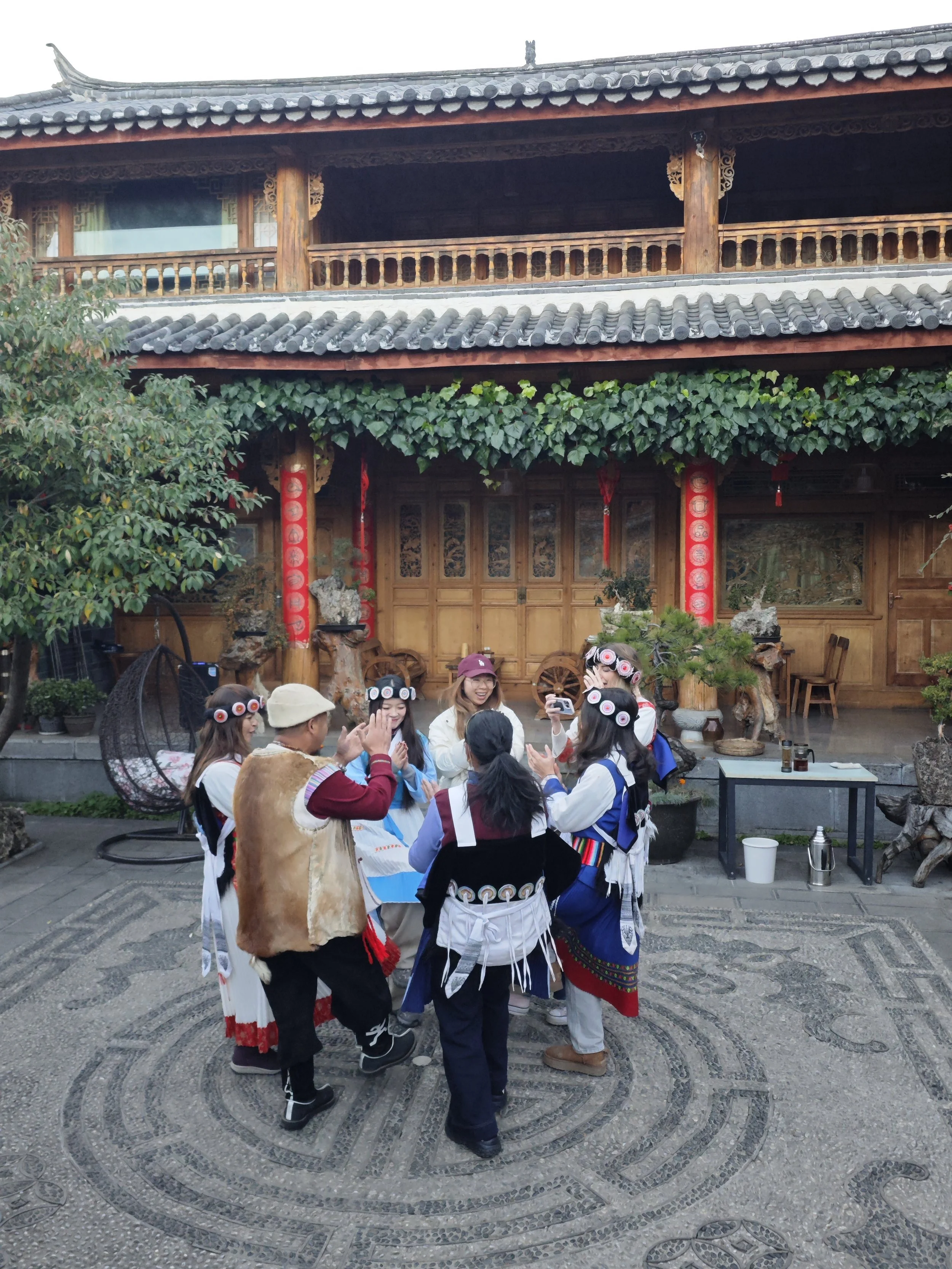
Naxi Home Visit
Step inside a Naxi home beneath the snow-capped mountains to learn about their living traditions. Make Naxi-style bean curd, craft Dongba paper, try writing the twelve zodiac characters in Dongba script, then dress in traditional clothing and join in Naxi dance.
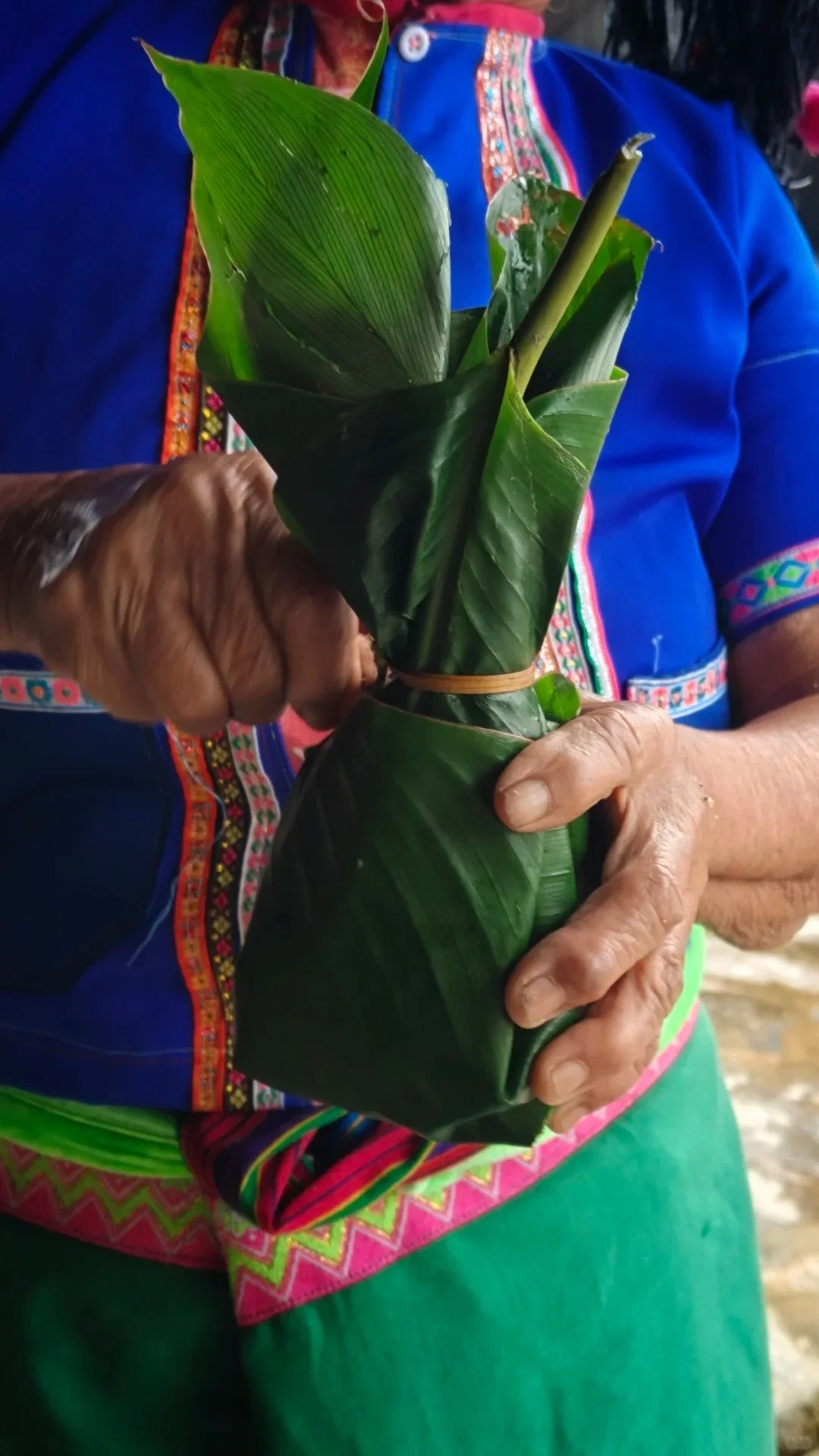
Bulang Cooking Experience
Join a Bulang grandmother in her kitchen to learn a traditional family recipe. Discover how forest ingredients shape Bulang's culinary heritage and gain an intimate look into daily life and food culture in the mountains.
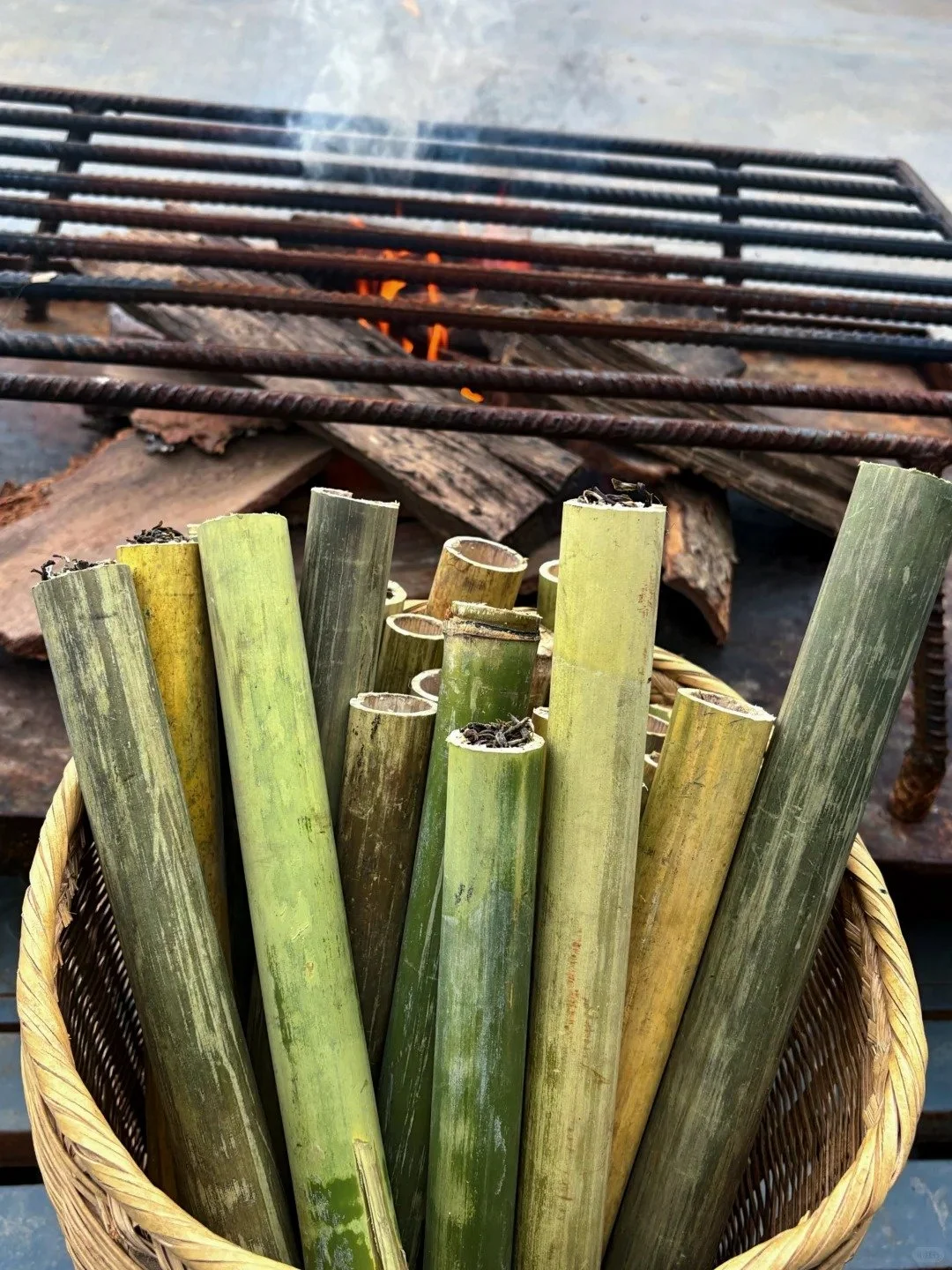
Bamboo Tube Tea Making
Venture into the tea mountains to pick fresh leaves and craft your own tea under the guidance of a local master. In winter, experience the unique process of making bamboo tube tea—from harvest to roasting—infused with the pure aroma of the forest.
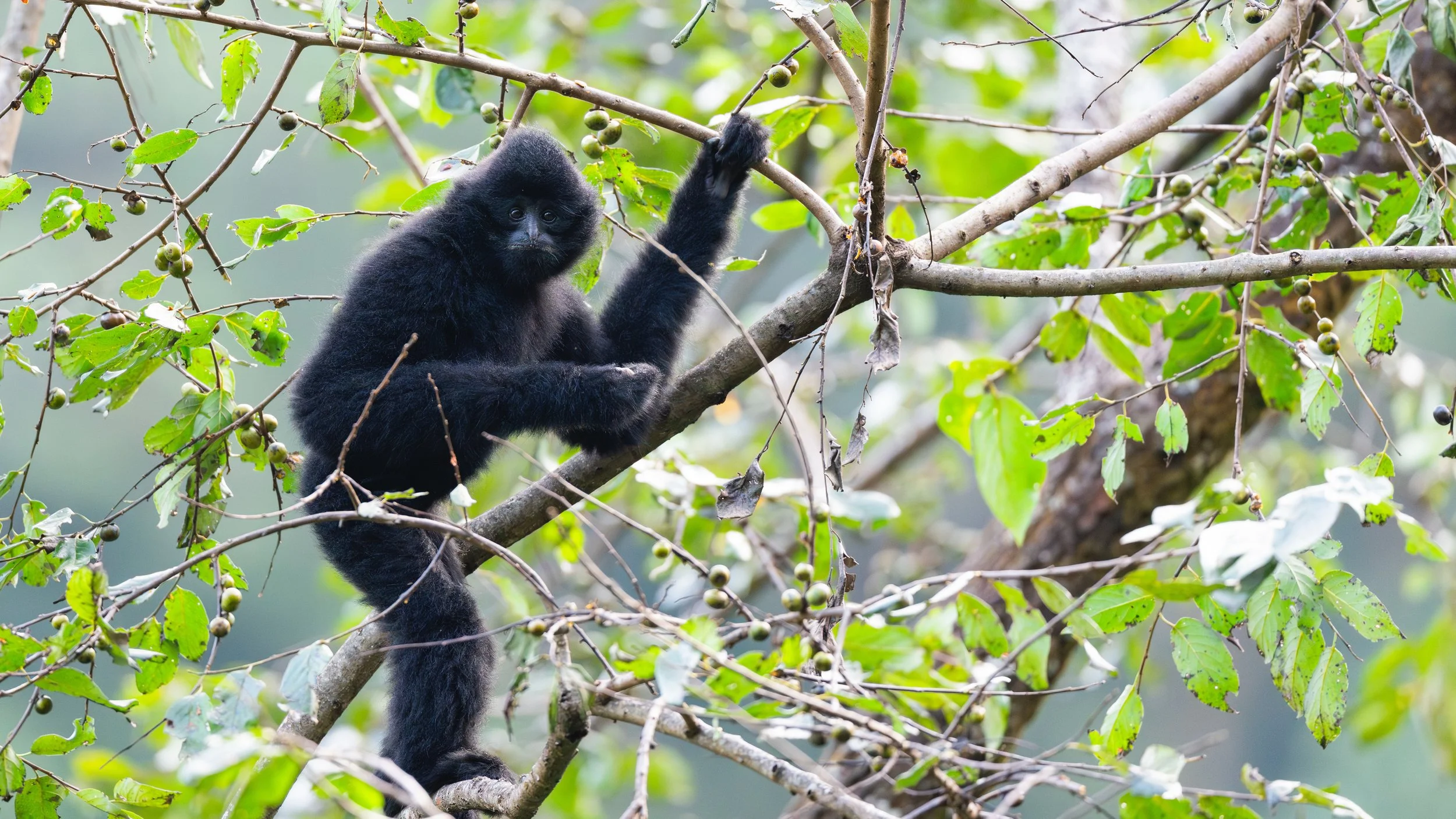
Wildlife Exploration
Enter the rainforest to seek some of China’s most iconic and endemic species — the Western Black-crested Gibbon, the Yunnan Snub-nosed Monkey, Temminck’s Tragopan, Lady Amherst’s Pheasant, and the Black-necked Crane, all observed ethically in their natural habitats across forests and alpine valleys.
Yunnan Small Group Tours
Explore Yunnan with a small group of like-minded travellers (fewer than 8 pax). Take part in authentic local experiences accompanied by our professional English-speaking guide and our knowledgeable local guide.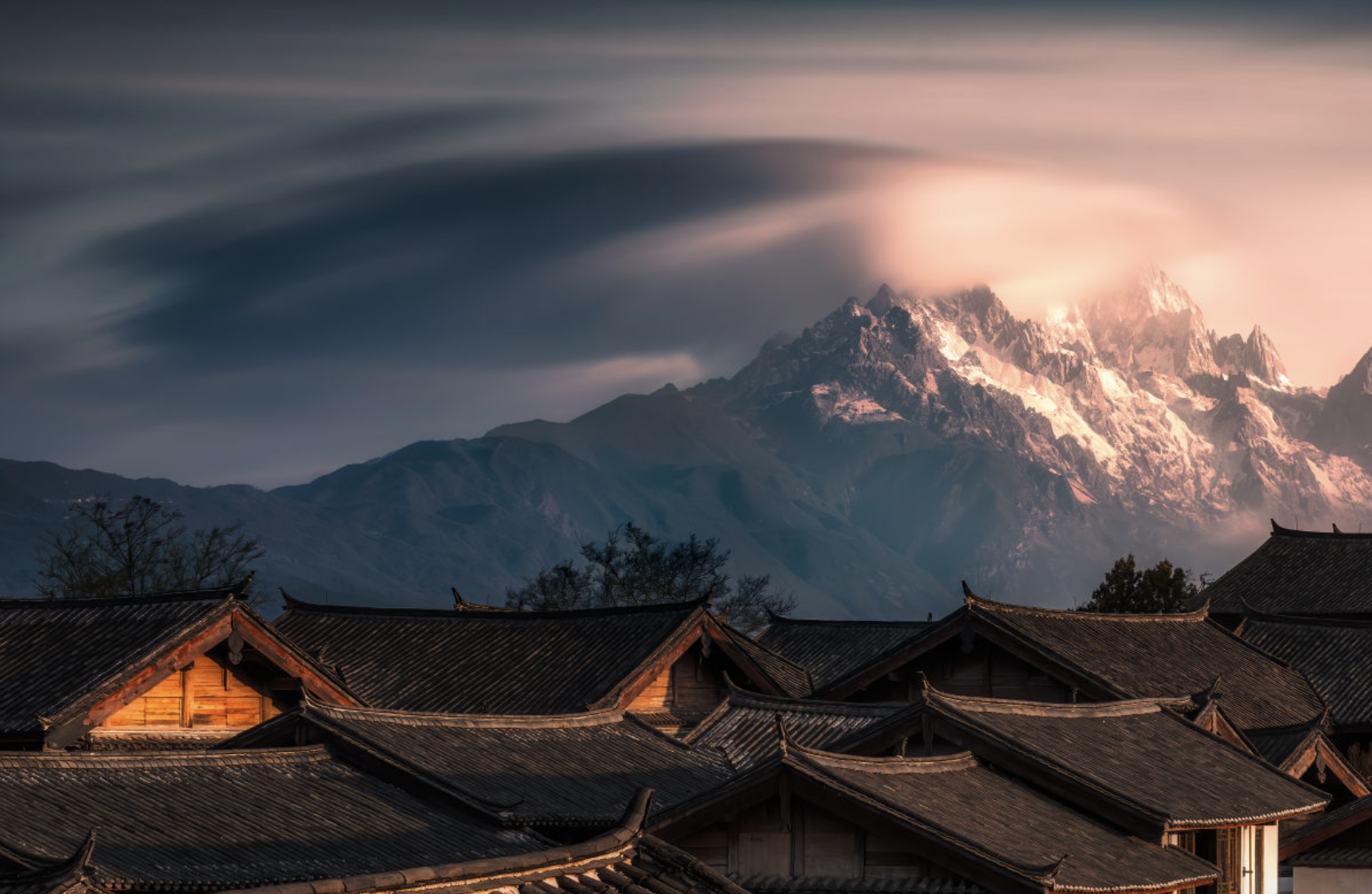
SIGNATURE TRIP

Group Tour
Yunnan: Ethnic Cultures & Snow Mountains
This 7-day journey takes you through one of China’s most culturally diverse regions, from Shangri-La and Tiger Leaping Gorge to Dali. Step into the living traditions of Bai, Naxi, and Tibetan cultures, wander through old towns, ride horses beneath snow-capped mountains, and learn the art of traditional Bai tie-dye.
This journey invites you into the utopia held in the hearts of the Chinese, living within the landscape itself, and embracing the romance of Yunnan’s timeless wind, flowers, snow, and moon
7 days from €1423 euros
Explore Yunnan in your own way. Speak with our local experts to craft the journey that fits you best—whether it’s a private tour or one of our carefully designed self-guided routes.Yunnan Private & Self-guided Tours
Please speak with our travel planner to request a sample itinerary and begin designing your tailor-made journey.


Best time to visit
Yunnan’s terrain is diverse, so travel seasons vary by region.
In the northwest, avoid the June–October rainy season; winter and spring are the best times with fewer tourists.
In the south, skip the hot and humid months from May–October; from November onward, the weather is pleasantly cool and ideal for travel.
Northwest Yunnan: November to May
Southern Yunnan: November to April
Best Months
Temperature
–5°C to 32°C
Northwest Yunnan: Dry and wet seasons.
Southern Yunnan: Tropical rainforest climate.
Weather
Top Places to Visit in Yunnan
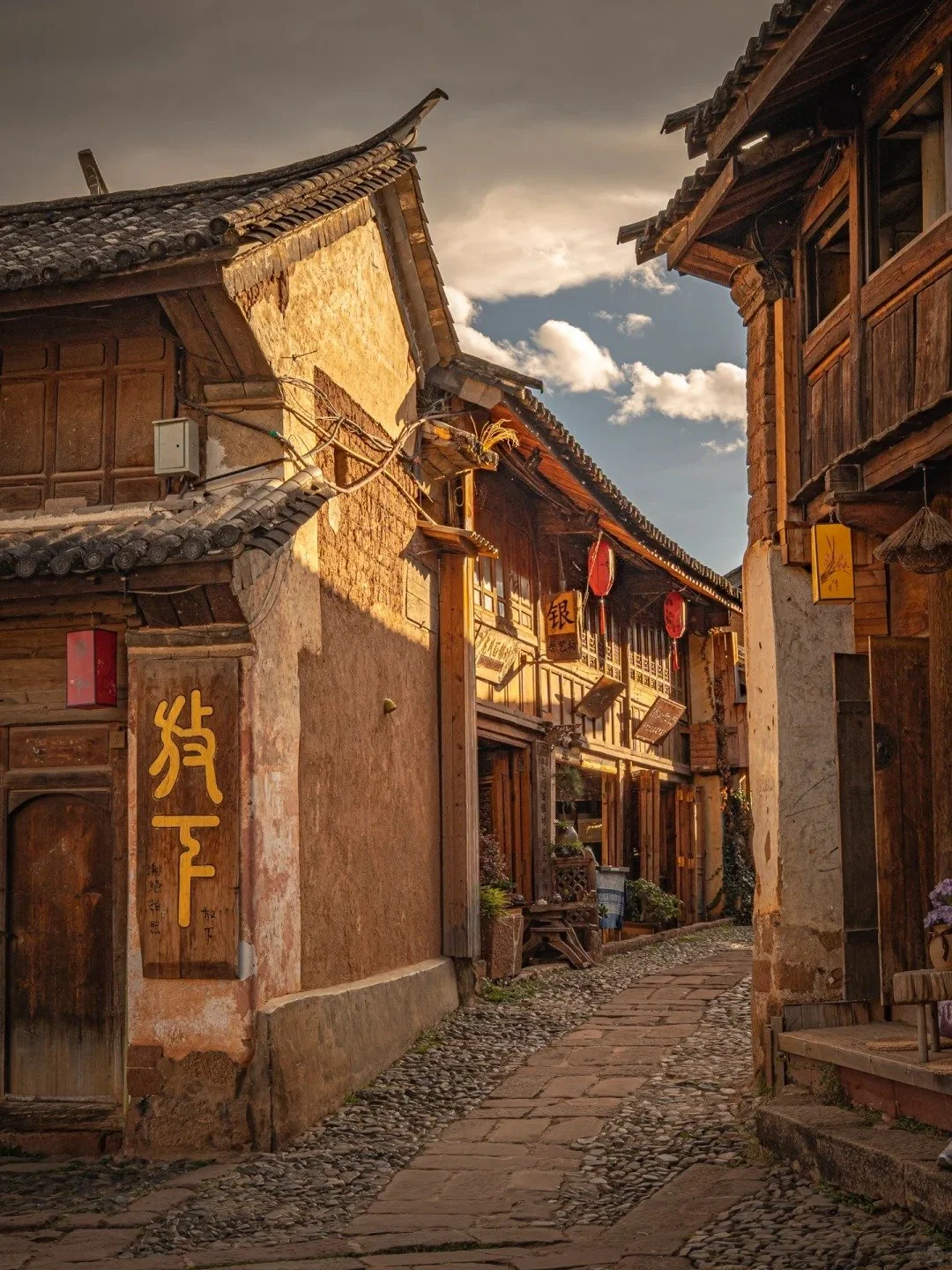
Shaxi Ancient Town
Once a bustling trading post on the ancient Tea Horse Road, Shaxi has shed its former clamor and become the last surviving market town along this historic route. Free from noisy loudspeakers and crowded tour groups, time seems to slow here, making it many travellers’ favourite old town in Yunnan. Traditional Bai courtyard homes, cobbled streets, and a relaxed village rhythm offer a glimpse into daily life untouched by hurried modernity. Sit by a window overlooking the square, order a cup of tea, read, daydream, and let the breeze carry you back in time.
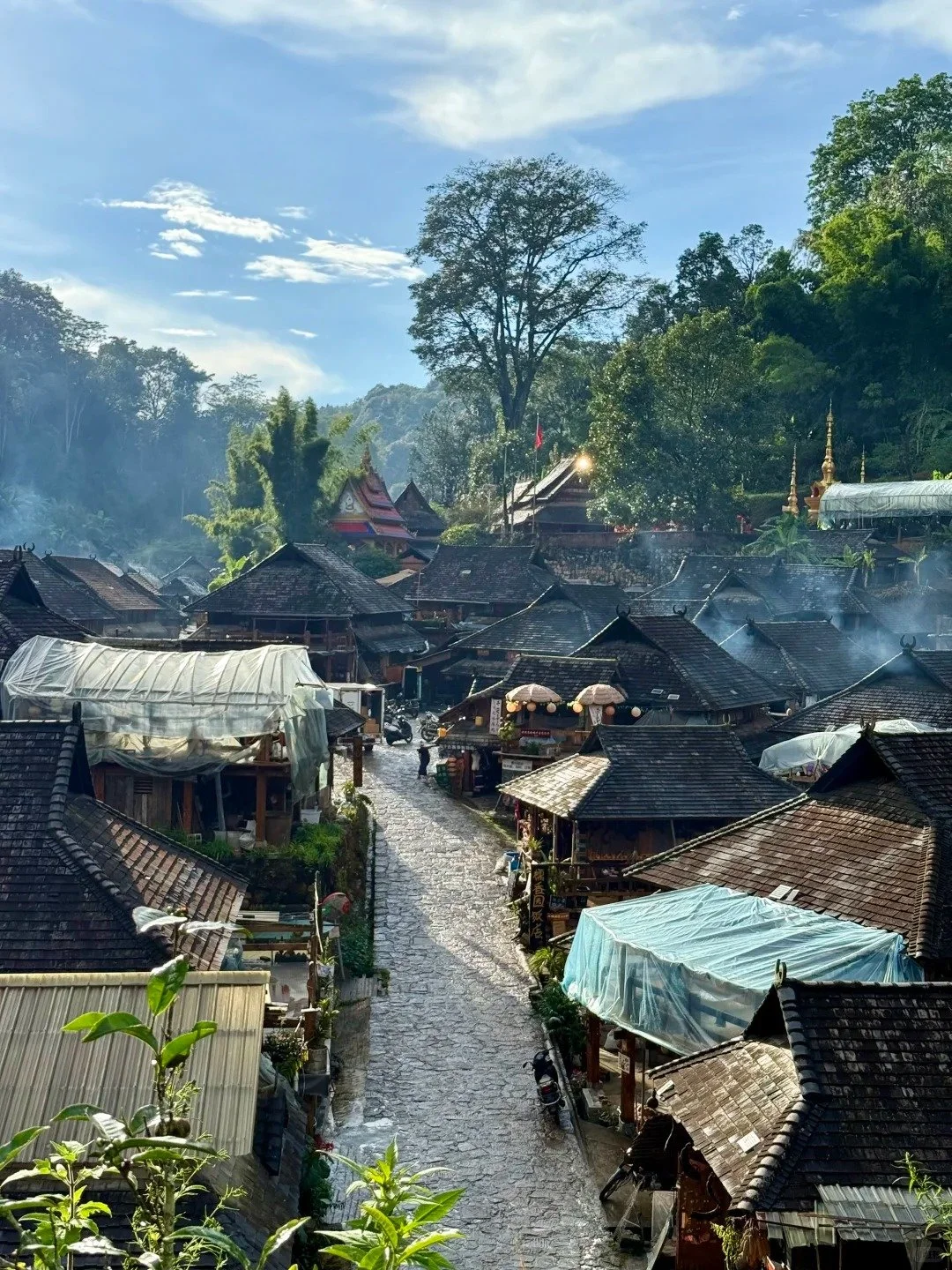
Jingmai Mountain
Located in southwest Yunnan and inscribed on the UNESCO World Heritage List, Jingmai Mountain is the world’s first and only cultural landscape devoted to tea. Here, “villages encircle tea forests, and tea forests merge into ancient woodlands”—a living tapestry where people, nature, and tea have evolved together for centuries. Five ethnic groups—Dai, Blang, Hani, Wa, and Han—inhabit this region, nurturing a tradition where every village grows tea and every household makes it. The ancient villages of Wengji and Nuogan are unmissable, offering a rare window into the heritage of Pu’er tea and its deep cultural roots.
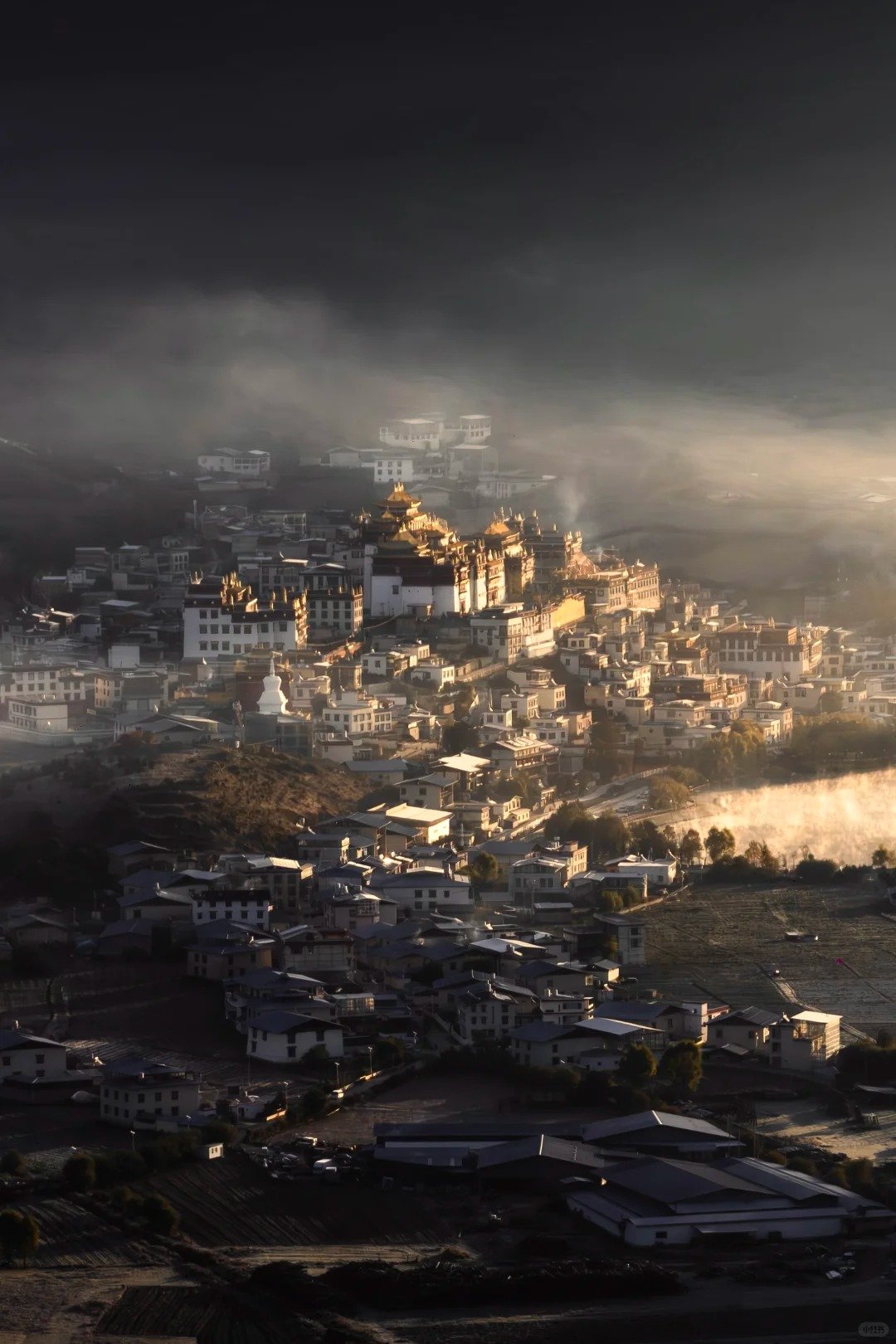
Shangri-La
Shangri-La embodies the idea of a hidden earthly paradise. Situated at around 3,300 meters and at the crossroads of Yunnan, Sichuan, and Tibet, it was once the Tea Horse Road’s gateway into Tibet and fertile land of the ancient Tibetan kingdom. Snow mountains, meadows, alpine lakes, and rich Tibetan culture define the region. Wander through the old town of Dukezong, explore the grandeur of Songzanlin Monastery—the “Little Potala Palace”—and experience the living traditions and unique spiritual heritage of Tibetan Buddhism.
Videos and Blogs