
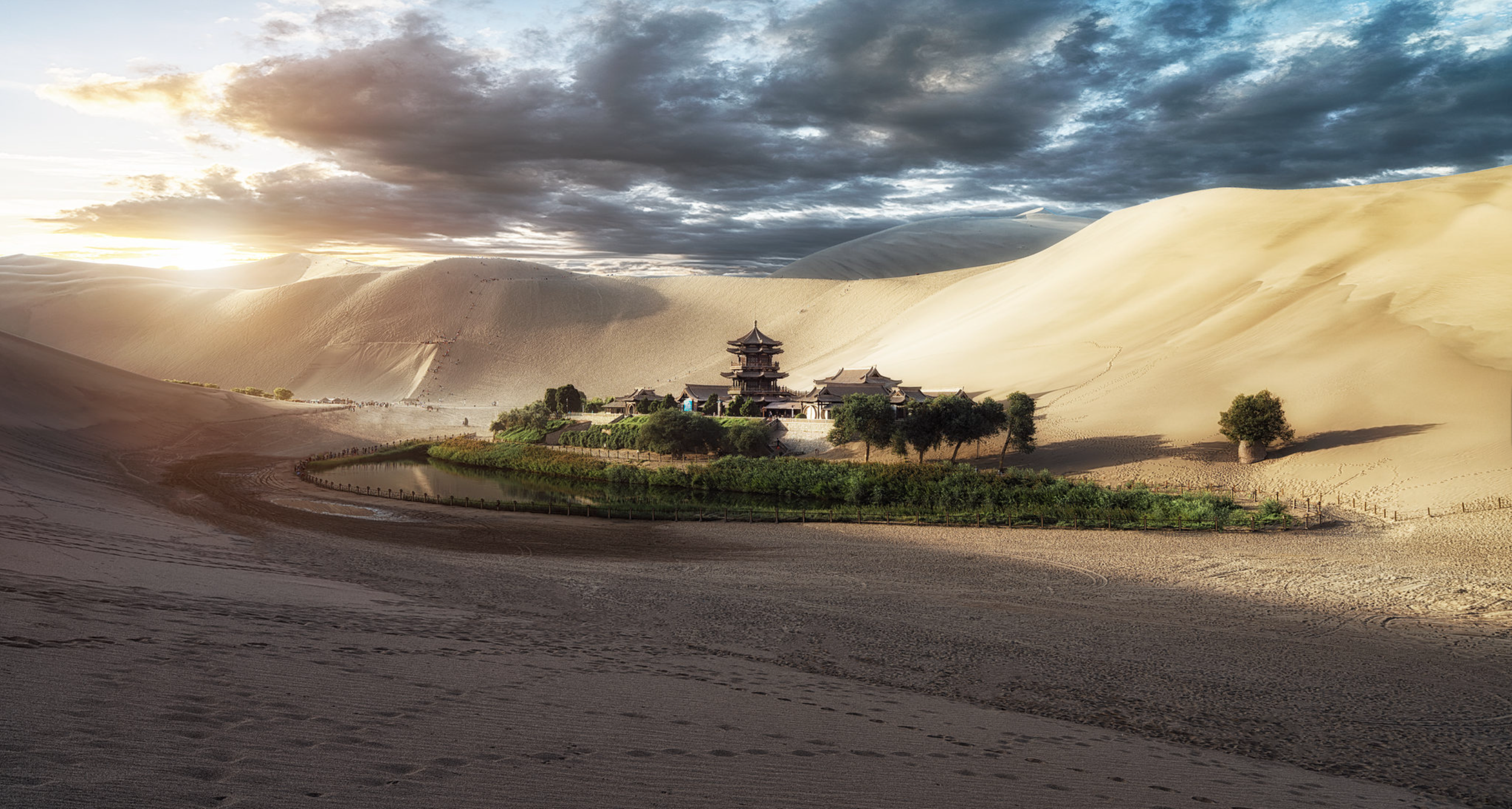
Explore China’s Silk Road
Silk Road
‘Among the world’s great cultural traditions, only four have developed with long histories, vast territories, coherent systems, and far-reaching influence: Chinese, Indian, Greek, and Islamic civilizations—there is no fifth. And there is only one place on earth where all four converged: Dunhuang and the Xinjiang region of China. There is no second.’
Stretching from imperial heartlands to the oasis kingdoms of the western frontier, this legendary route once linked China with Central Asia, Persia, and even Rome—an artery where civilisations met, collided, and mingled over the course of a millennium. In Xi’an, the Terracotta Army still stands guard over a city that once welcomed envoys from every corner of the known world. Further west, Dunhuang rises from the desert like a beacon of ideas; in the Mogao Caves, a thousand years of Buddhist art fuse Gandharan forms with Central Asian and Persian motifs and the graceful lines and colours of the Tang dynasty. Beyond lies Jiayuguan, the terminus of the Great Wall and the symbolic threshold between empires, while the rainbow ridges of Zhangye’s Danxia spread across the Gobi like nature’s own palette. Along the shores of Qinghai Lake, Tibetan, Mongolian, Muslim, and Han cultures interweave beneath vast highland skies. Entering Xinjiang, the ancient oasis cities of Urumqi, Kashgar, and Kuqa still pulse with the rhythms of the old Silk Road—its bazaars, religions, music, and languages layered with Turkic, Persian, Buddhist, and Islamic legacies. Threading through all of it are the footsteps of merchants, monks, envoys, and explorers whose journeys transformed this corridor into one of the greatest cultural exchanges in human history. Here, the Silk Road is more than an ancient trade route; it is the enduring bridge that shaped both China and the world.
Join Eastogo’s small-group tours, private journeys, or self-guided routes, and explore the Silk Road in your own way.
HIGHLIGHTS Of China’s Silk Road
BEST EXPERIENCES
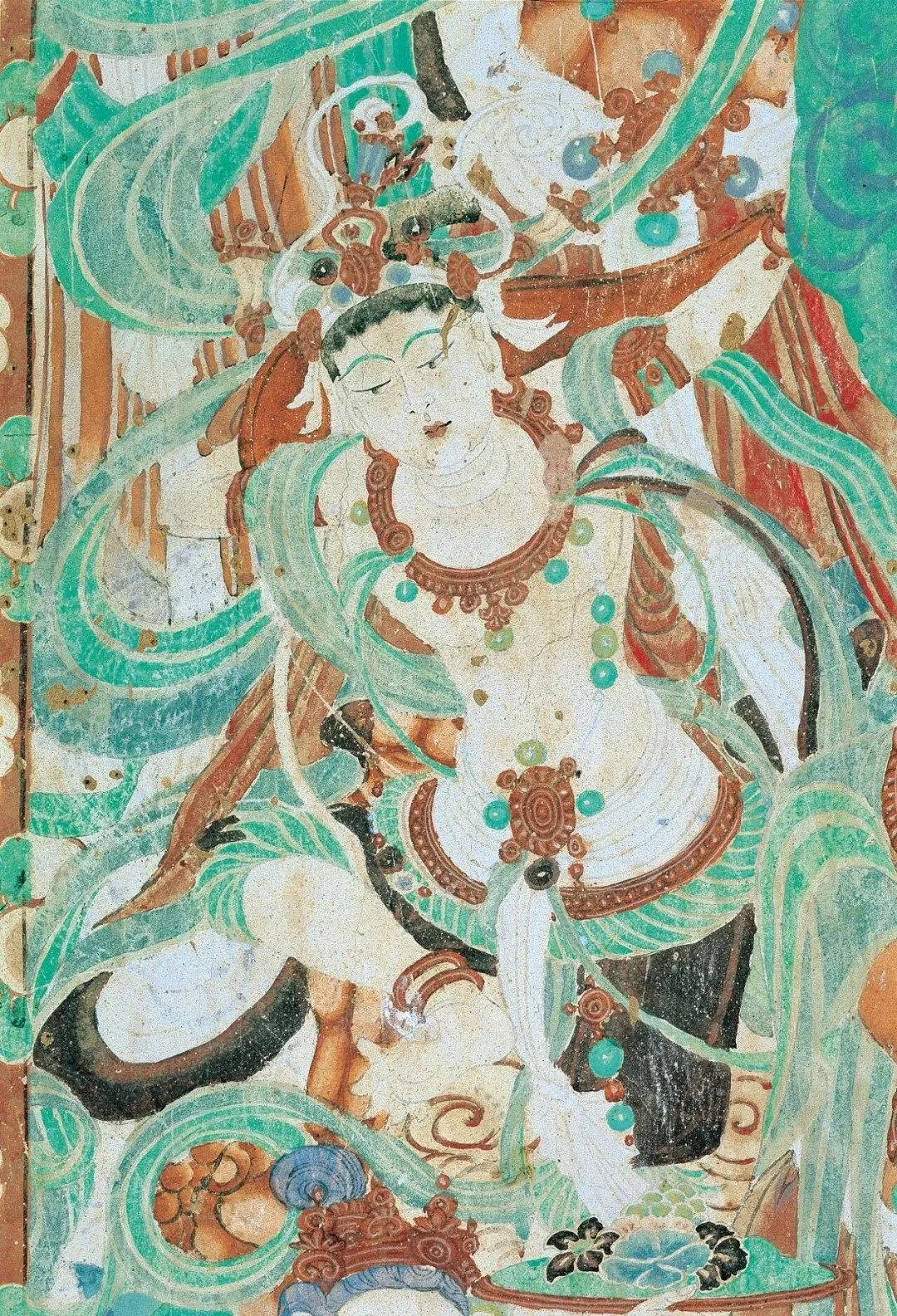

Explore the evolution of Buddhist art in the Mogao Caves
Guided by our expert, you’ll learn how a thousand years of artistic exchange along the Silk Road, where Buddhist imagery merged with Gandharan forms, Central Asian styles, and Persian motifs, shaped the uniquely Dunhuang aesthetic and eventually influenced Buddhist sculpture across the Chinese heartland.
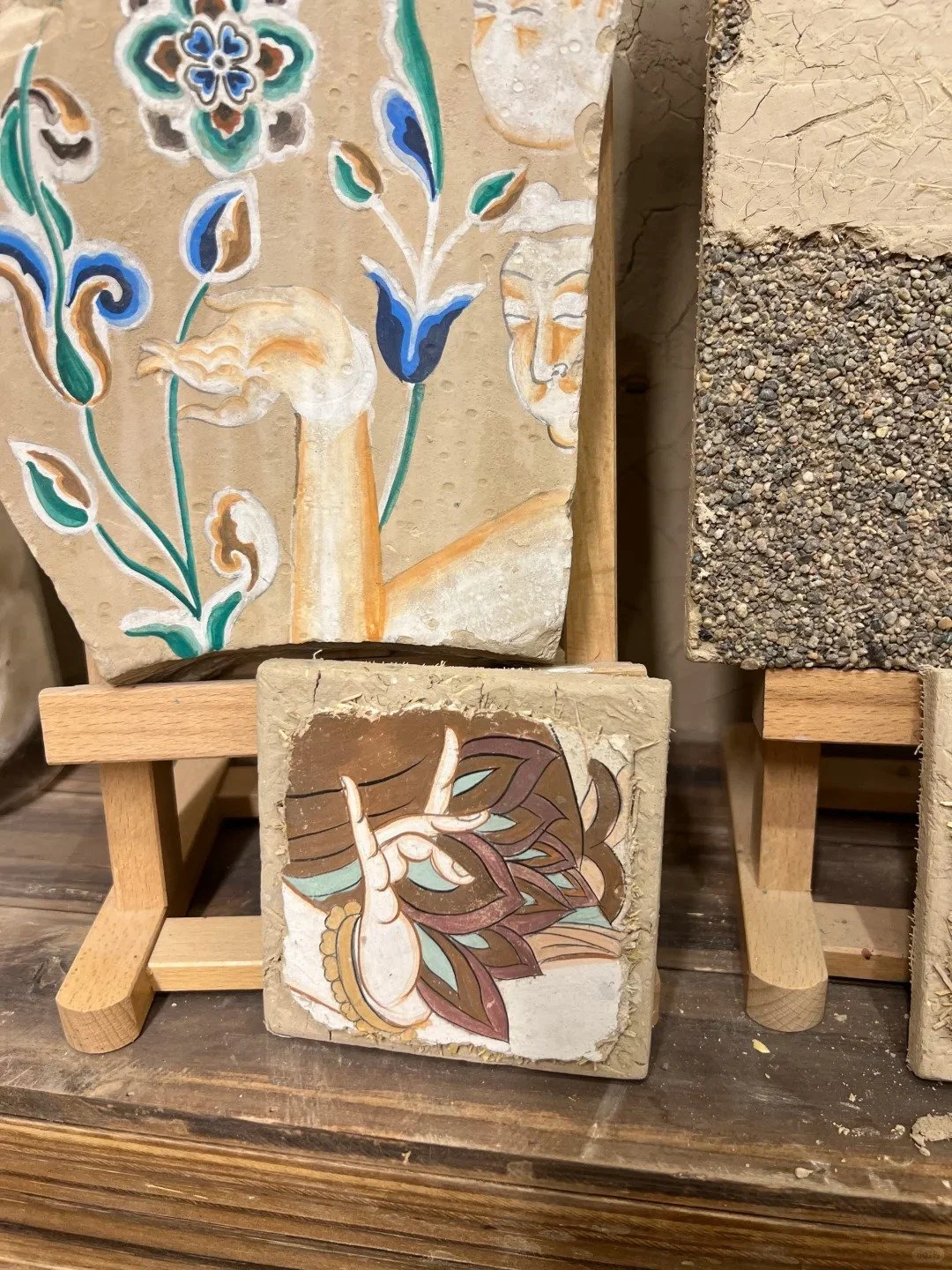
Recreate the ancient murals of Dunhuang
Experience the traditional process behind mural painting as you learn how mineral pigments are prepared, how stone panels are crafted, and how artisans brought color and life to the walls of the caves for over a thousand years.
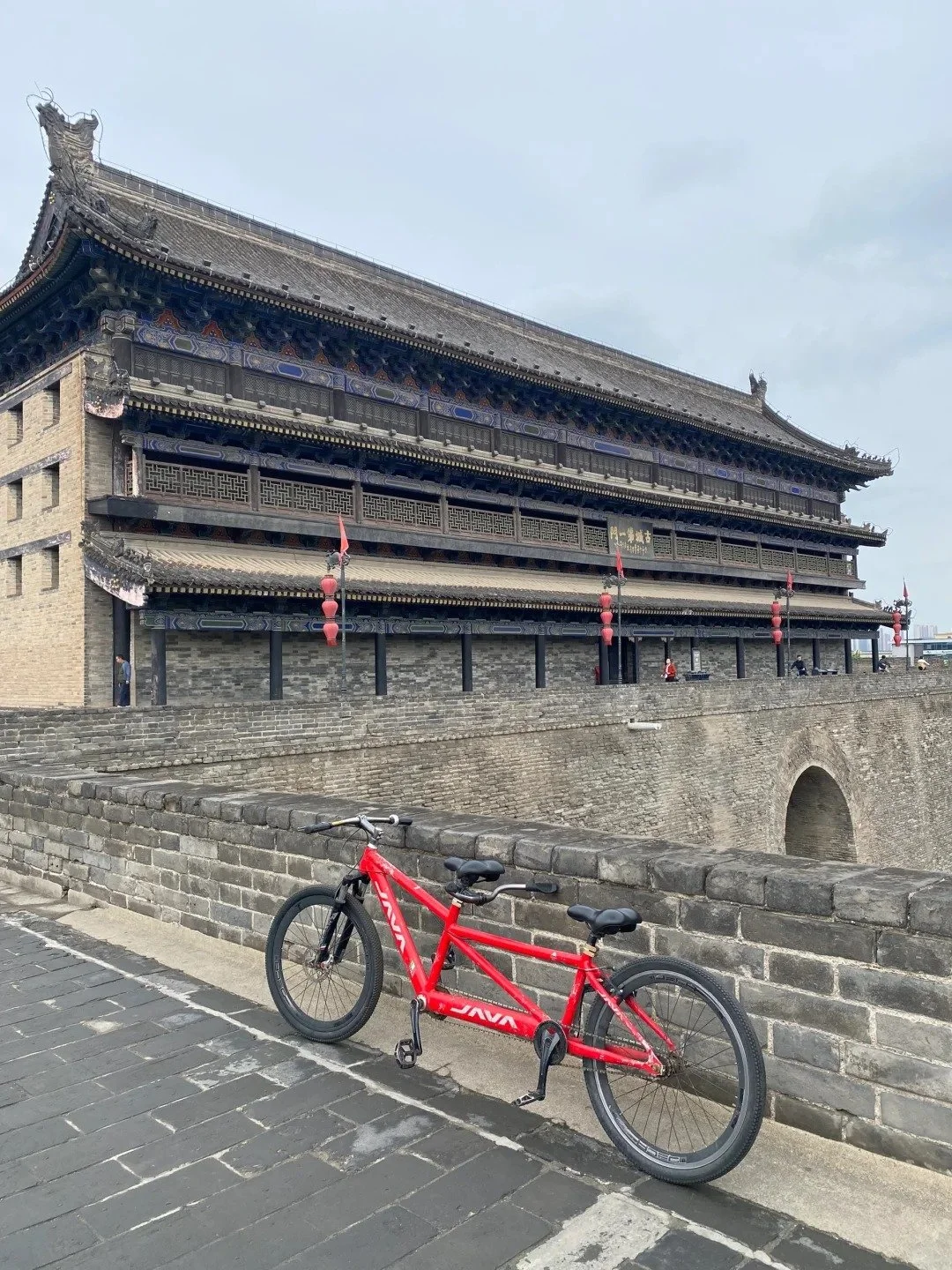
Cycle along the Xi’an City Wall.
Ride atop the largest and best-preserved ancient city wall in China, where living urban memories meet thousand-year-old fortifications. Experience Xi’an from a unique perspective as you trace the shadows of history along its iconic ramparts.
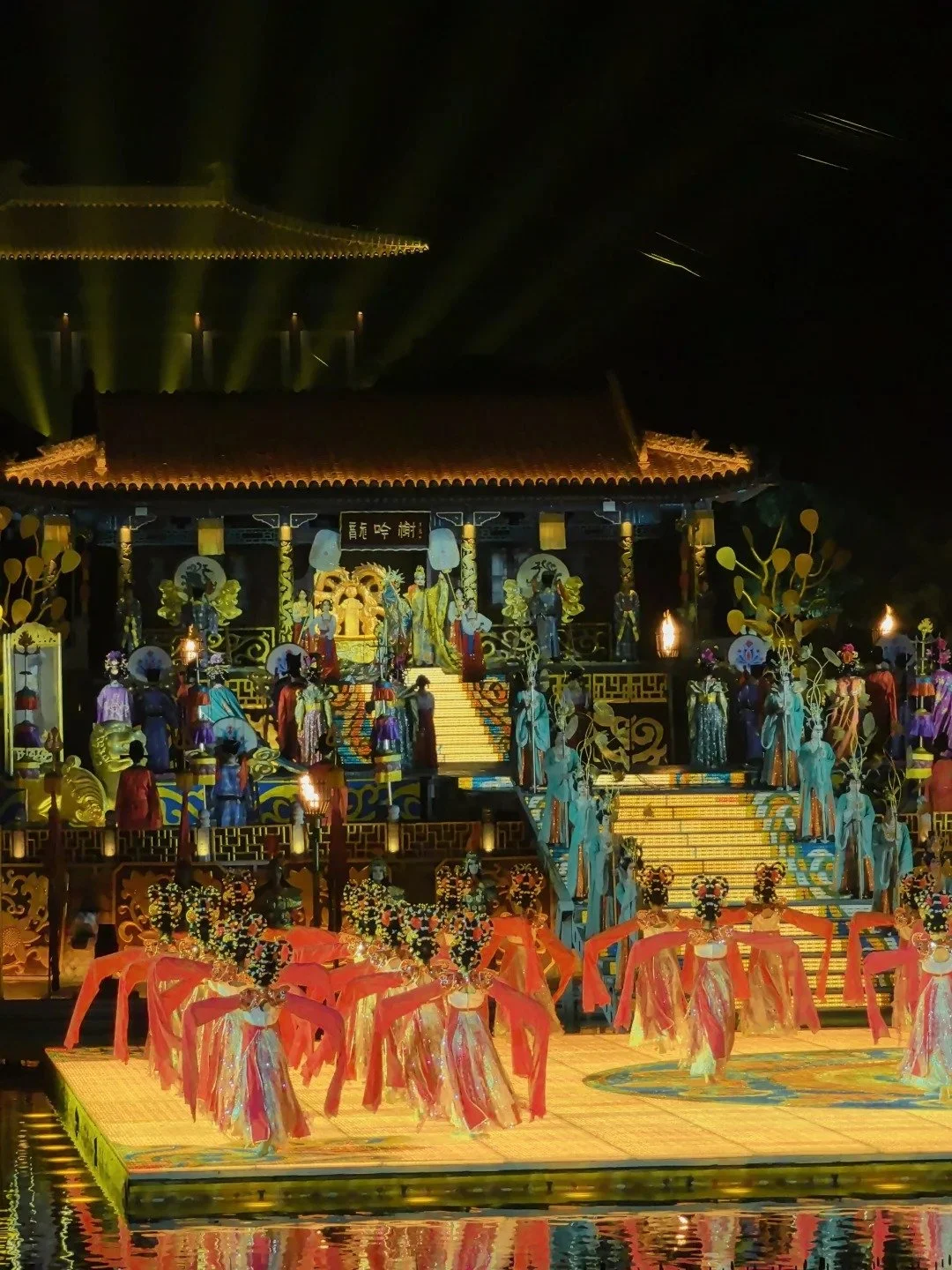
The Song of Everlasting Sorrow Performance
At Huaqing Palace, where a tragic love story unfolded a thousand years ago, watch a breathtaking open-air dance drama set against the very landscape that inspired it. Immerse yourself in the grandeur of the Tang dynasty as music, light, and movement revive one of China’s most legendary romances.
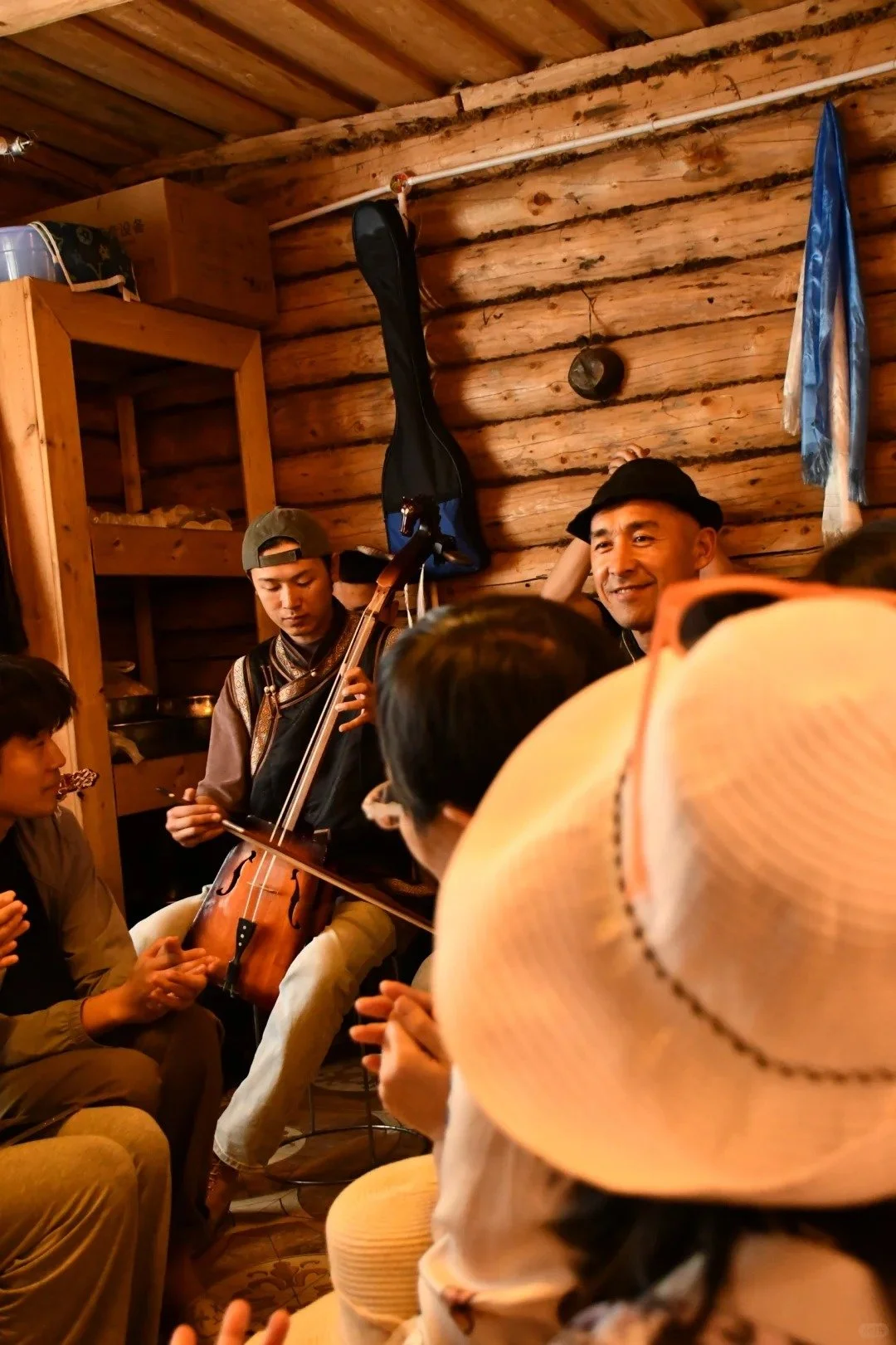
Xinjiang Home Visit Experience
Step into the traditional home of a local ethnic family, where you’ll be warmly welcomed with tea, homemade dishes, and the chance to sing and dance together. In these genuine moments of connection, you’ll experience the warmth and cultural richness unique to Xinjiang.
Explore the Silk Road in your own way. Speak with our local experts to craft the journey that fits you best, whether it’s a private tour or one of our carefully designed self-guided routes.Silk Road Private & Self-guided Tours
We are currently organising private tours only on the Silk Road. Please speak to our travel planner to receive a sample itinerary.


Best time to visit
From March to November, the Silk Road is mostly dry and sunny, with stable weather, clear light, and only occasional short winds or brief showers, making it an ideal season to explore from spring through late autumn. It’s best to avoid major holidays such as early May, July–August, and early October, when the scenery is beautiful, but the crowds can be significant.
From December to February, temperatures drop sharply, and winter conditions are harsh, recommended only for travellers who truly enjoy off-the-beaten-path adventures and remote, wild landscapes.
Best Months
March to November
Temperature
–5°C to 32°C
Weather
Low rainfall – Dry
Top Places to visit on the Silkroad
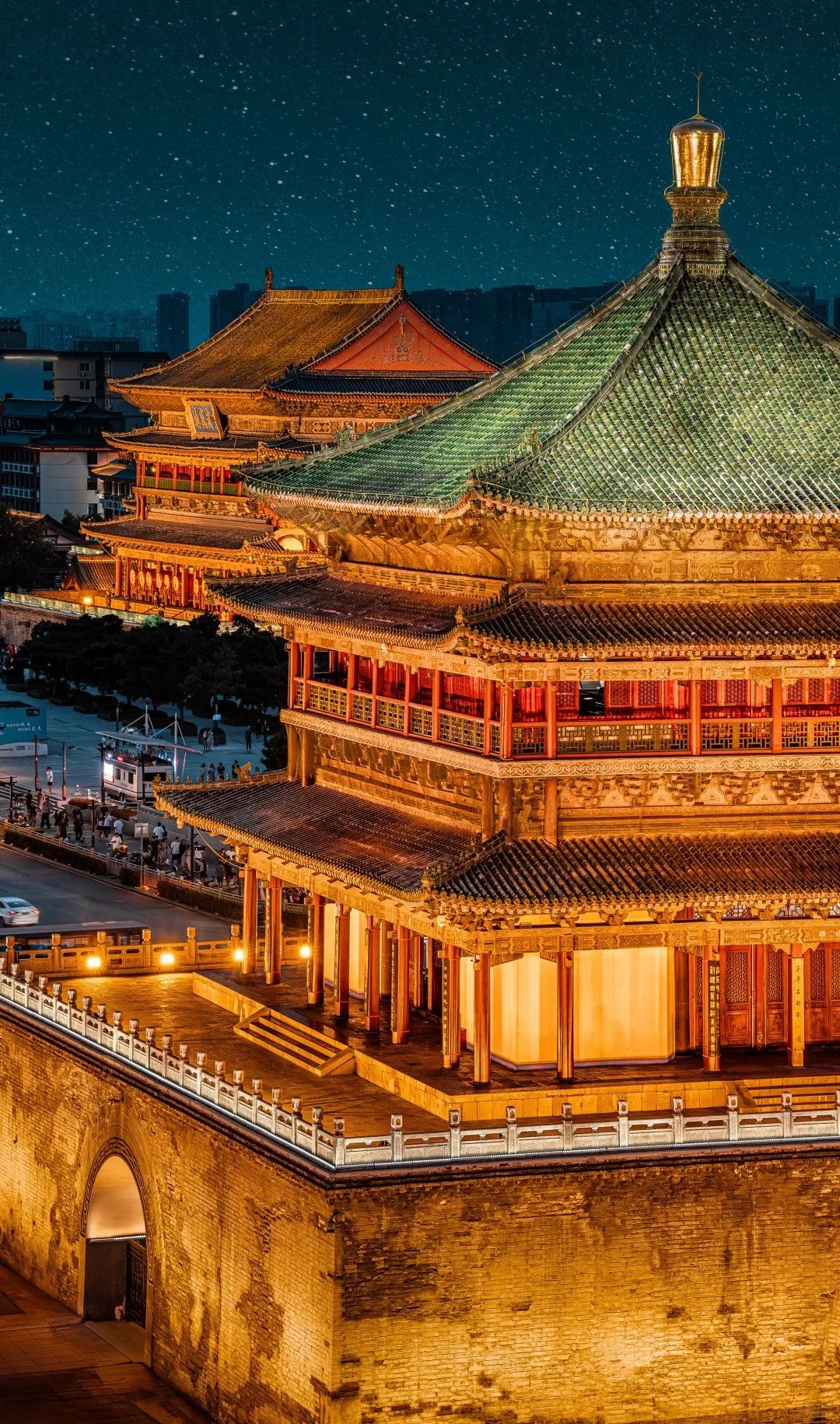
Xi’an
As the ancient capital of thirteen dynasties, Xi’an holds the essence of China’s long and layered civilisation. From the Terracotta Army of Emperor Qin Shihuang to the golden age of the Han and Tang empires, the city carries stories etched across millennia. Its ancient walls and stone steles still echo with the spirit of emperors, scholars, and travellers who once passed through, offering a vivid doorway into the heart of Chinese history.
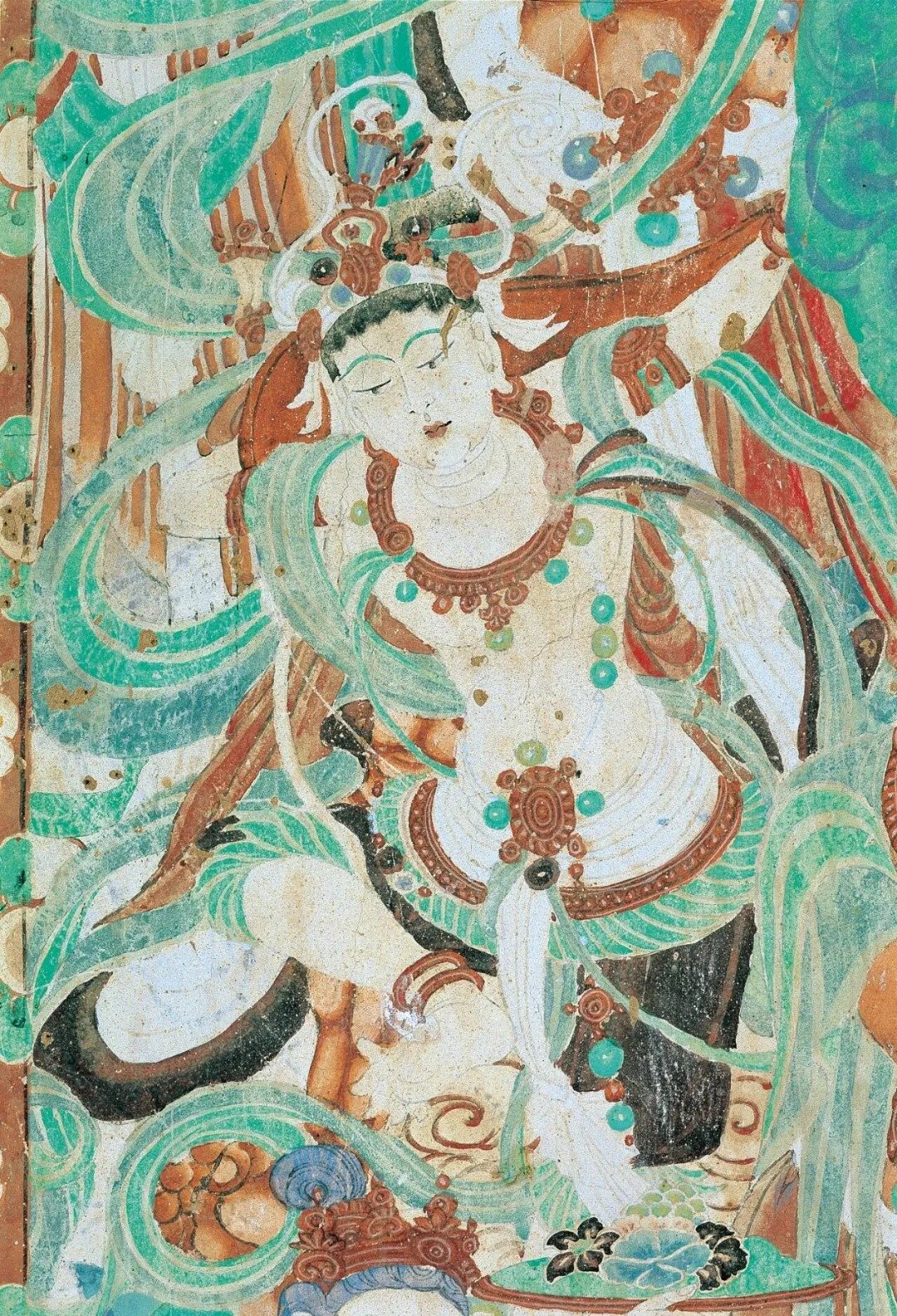
Dunhuang
A thousand years ago, this was a crossroads of world civilisations and one of the most important hubs along the Silk Road. In the Mogao Caves, you can witness the pinnacle of Buddhist artistic fusion. Among the world’s great cultural traditions, only four developed with long histories, vast territories, coherent systems, and lasting global influence: Chinese, Indian, Greek, and Islamic civilizations—there is no fifth. And there is only one place where all four converged: Dunhuang and the Xinjiang region of China. There is no second.
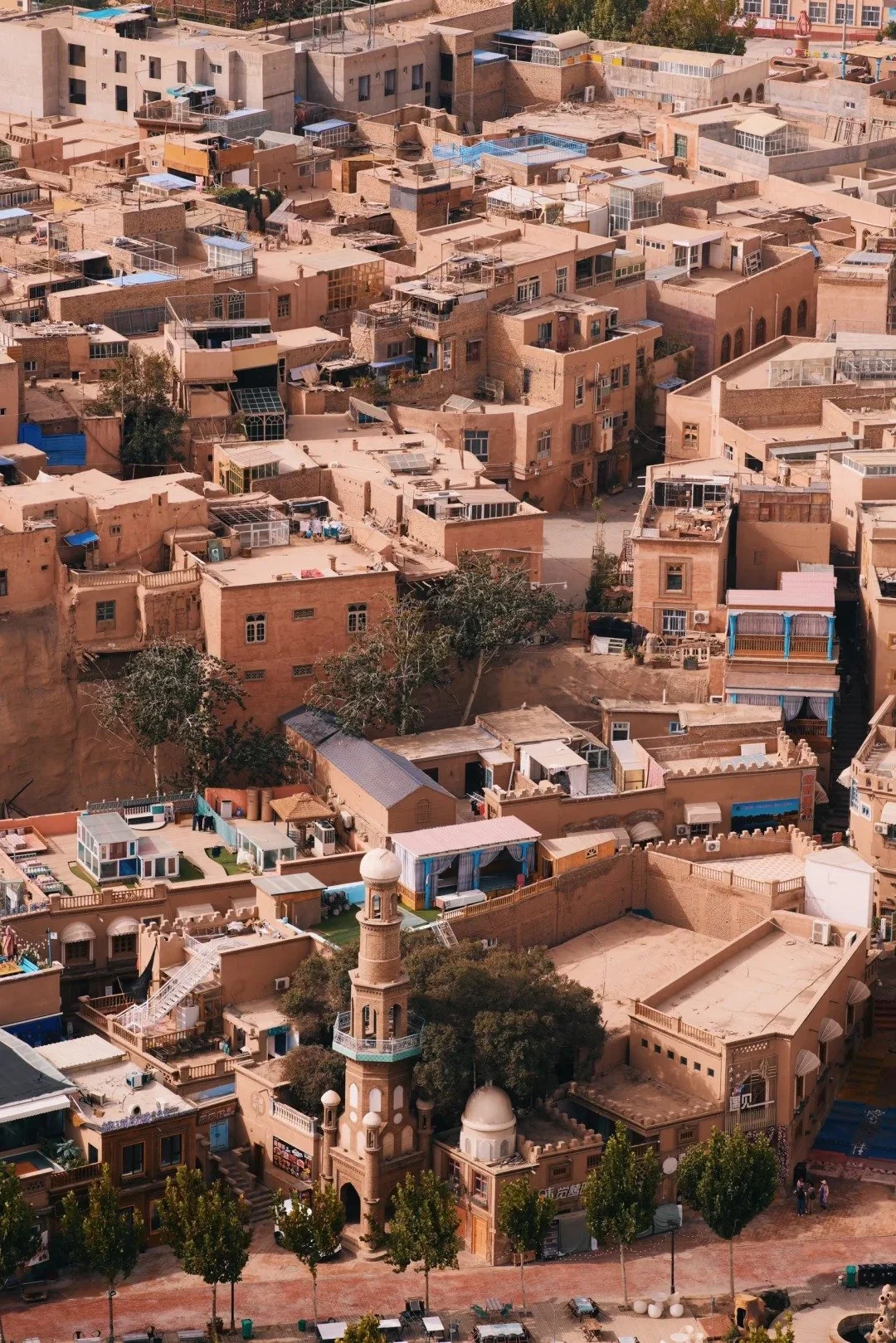
Kashgar
A cultural crossroads of Xinjiang, Kashgar, whose name means “the place where jade converges”, has long been a vital hub on the ancient Silk Road, attracting merchants from across Asia and beyond. With its strong Central Asian character, the city showcases the essence of Uyghur life, from its folk traditions and artistic heritage to its distinctive architecture and vibrant local economy. As the saying goes: If you haven’t been to Kashgar, you haven’t truly been to Xinjiang.
