
Sichuan China’s Iconic Birds and Mammals
Suggested Length
13 days
€4479 / $5270 per person
Price From
LIMITED TO 8 GUESTS
Group Size
April - June; October
Season
Explore Sichuan’s section of the Hengduan Mountains, part of one of the world’s 36 recognized biodiversity hotspots and among China’s richest regions for endemic bird species. This two-week expedition travels through national parks and protected areas, offering a focused wild birdwatching adventure.
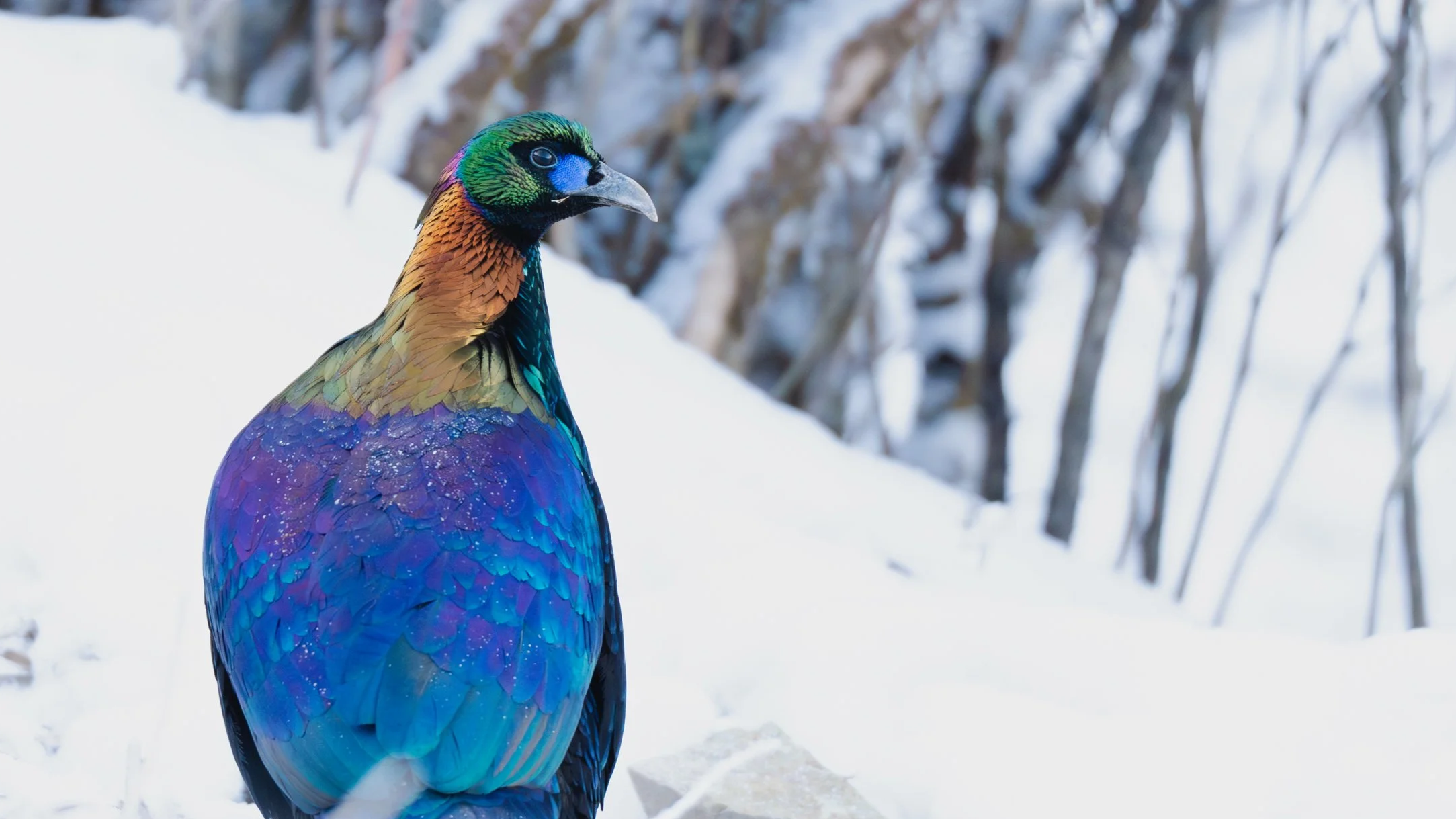
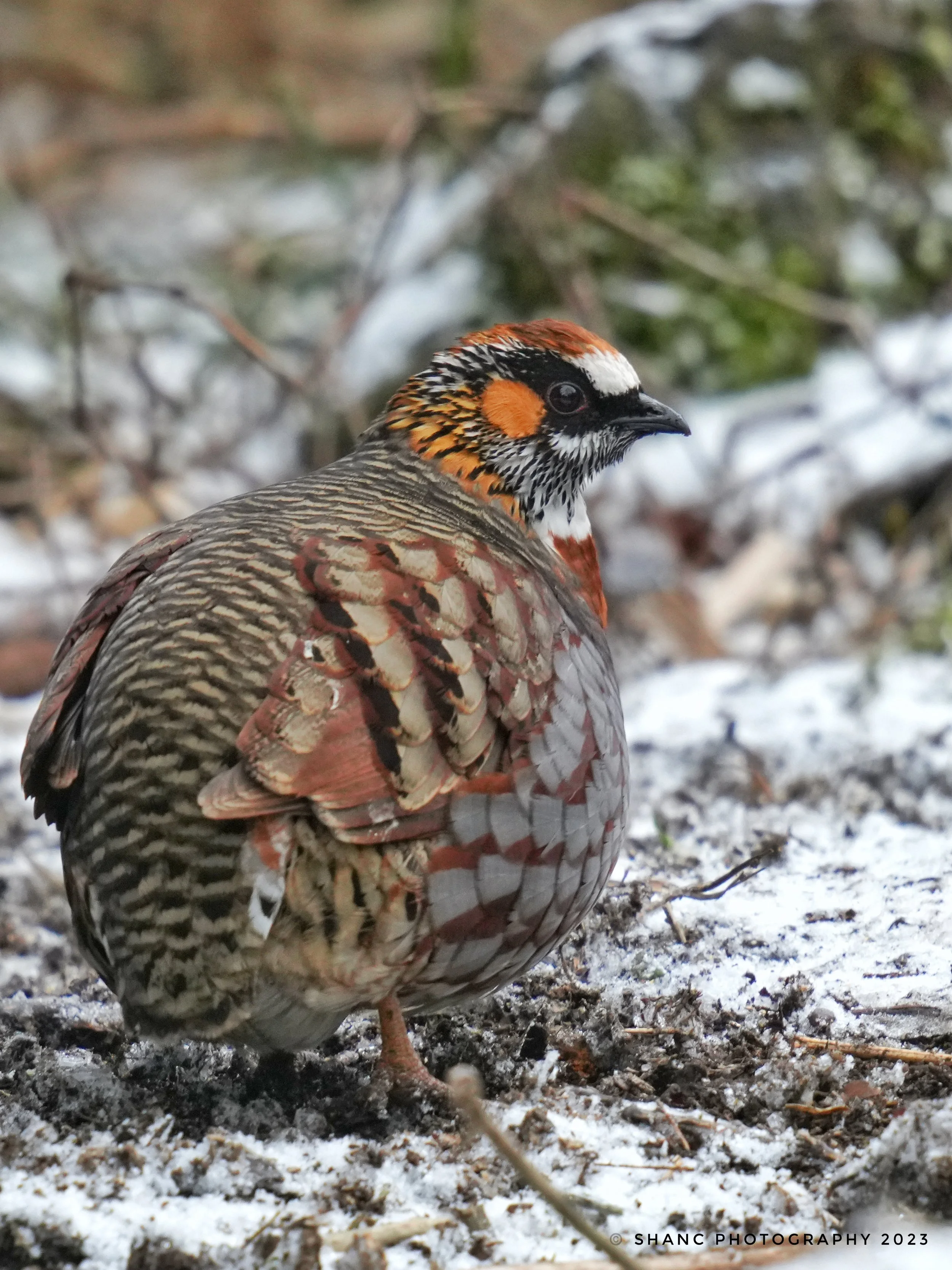
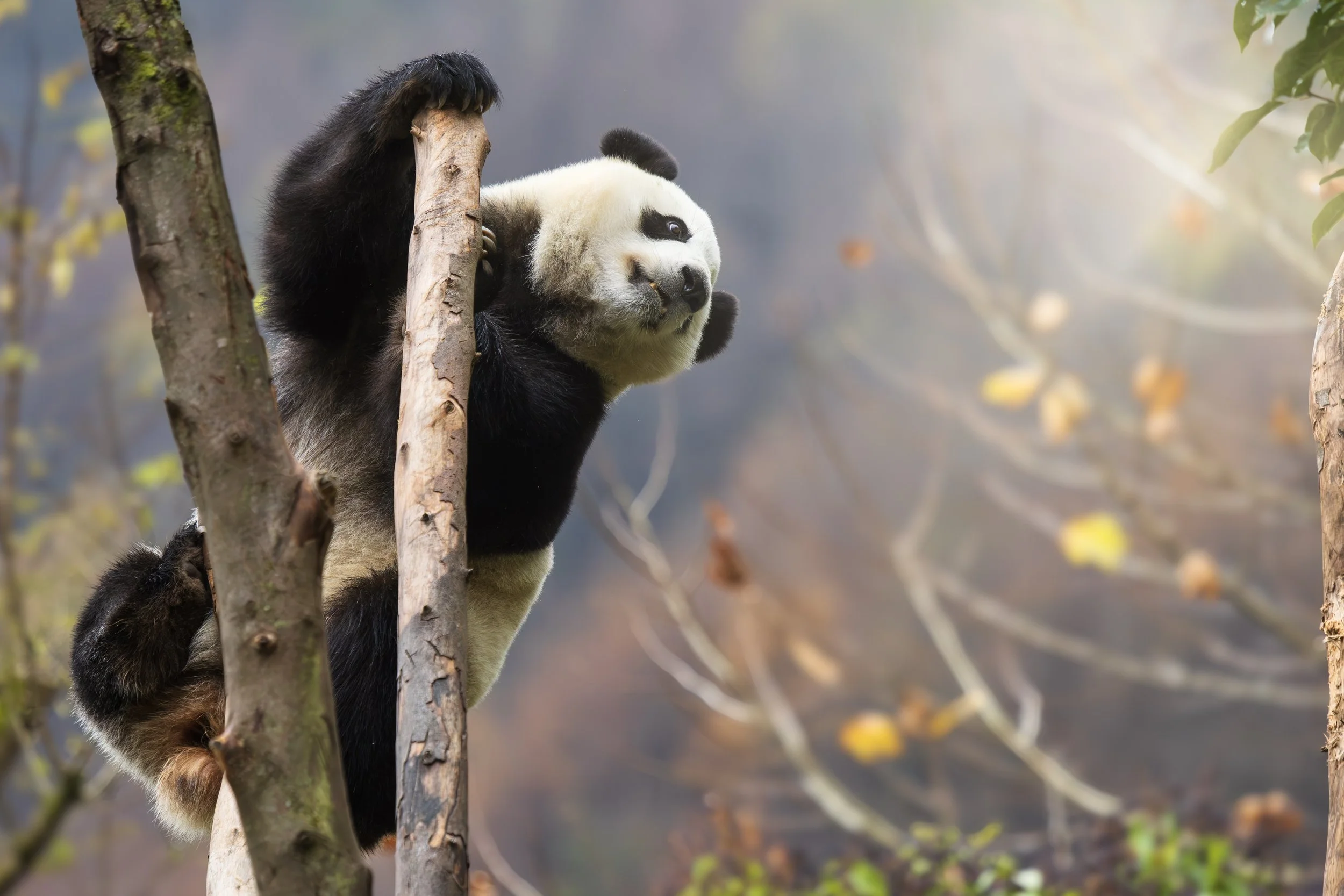
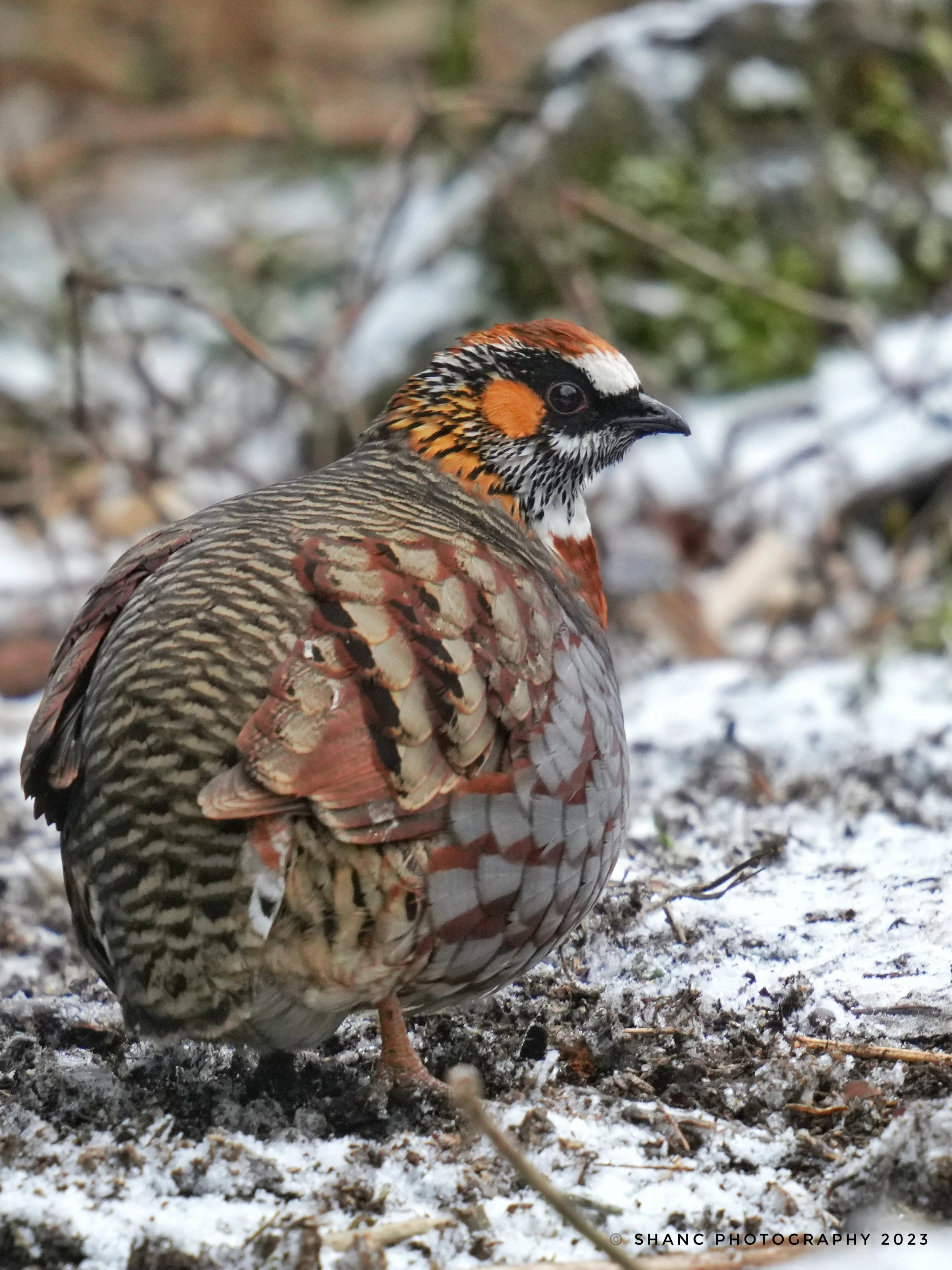
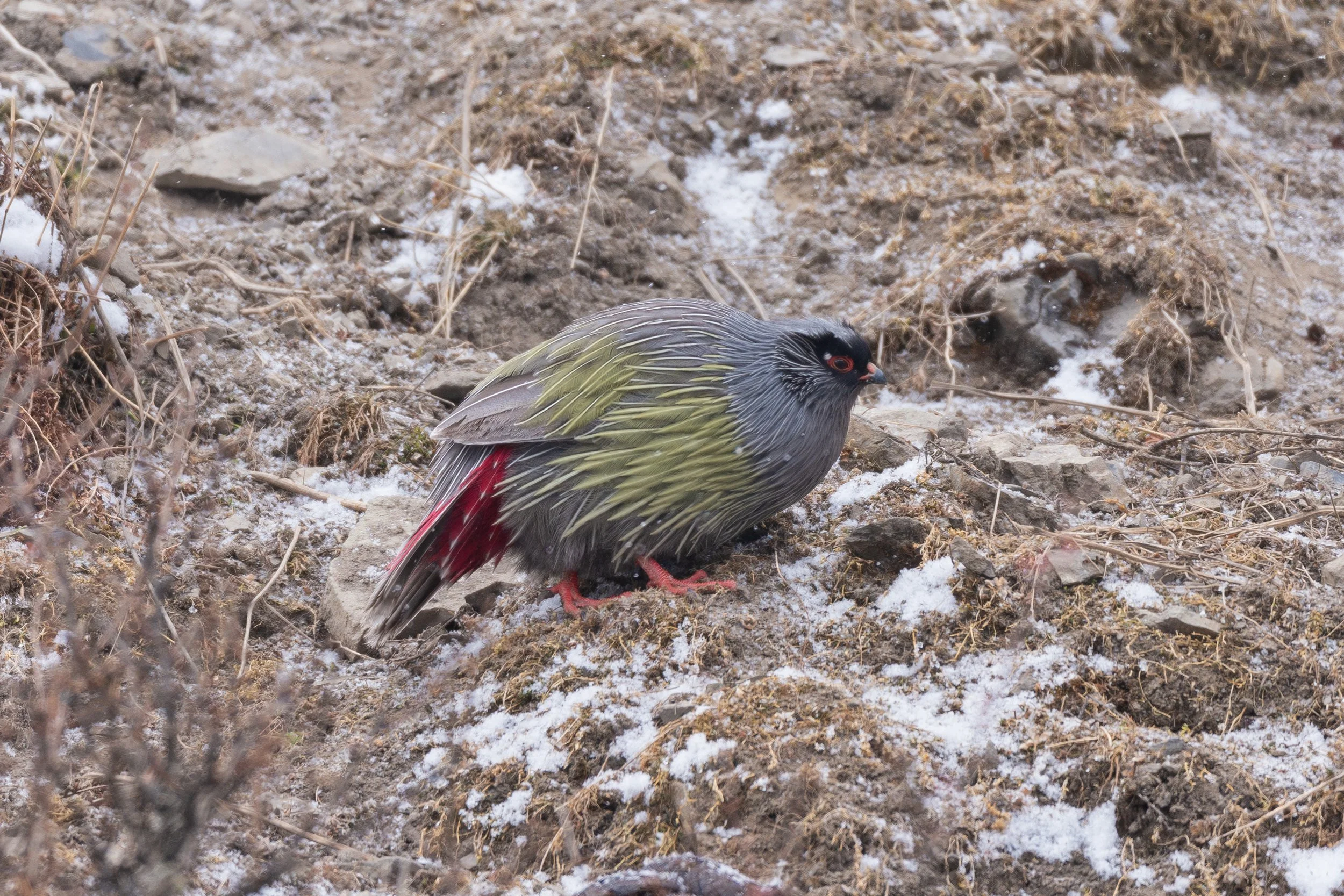
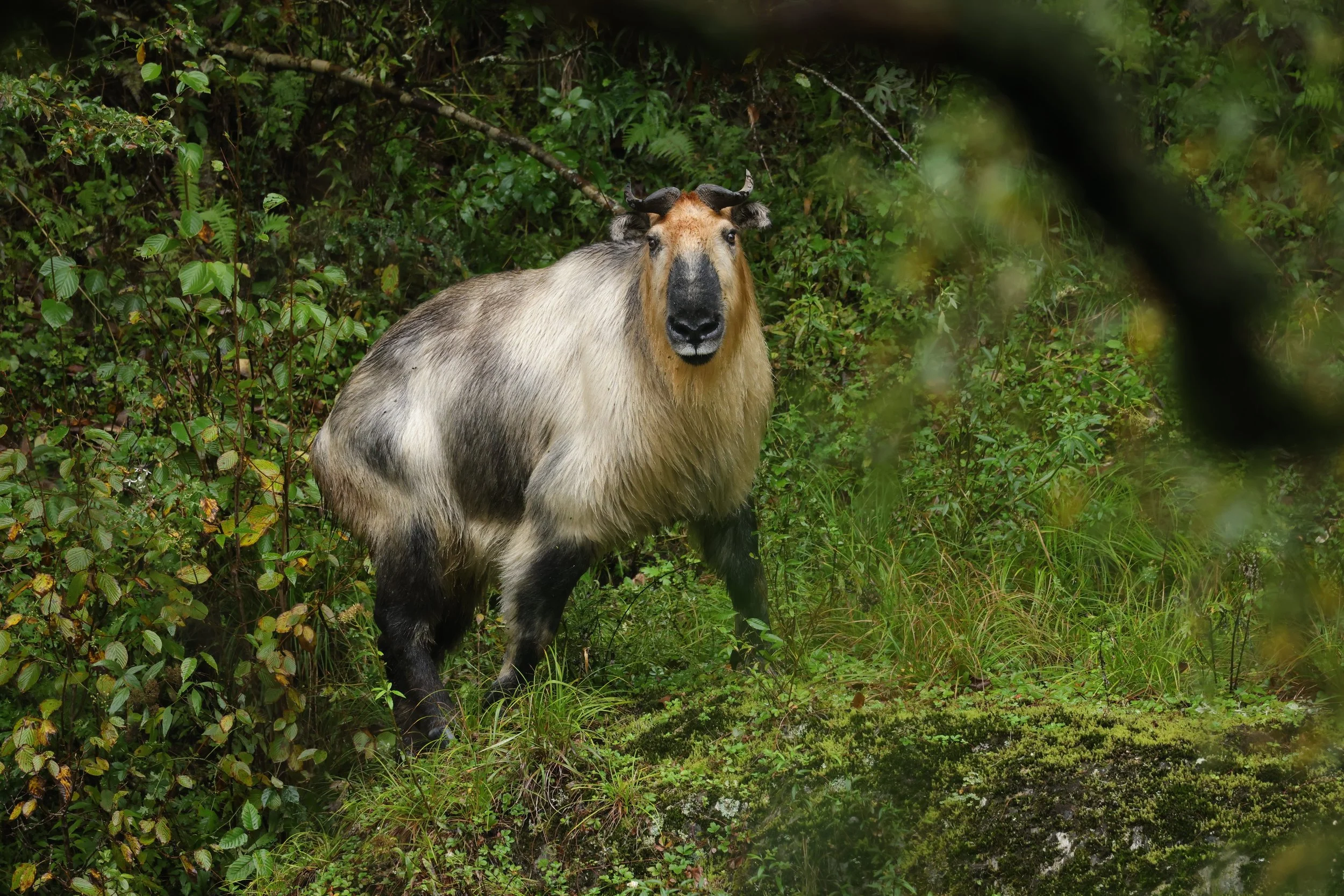
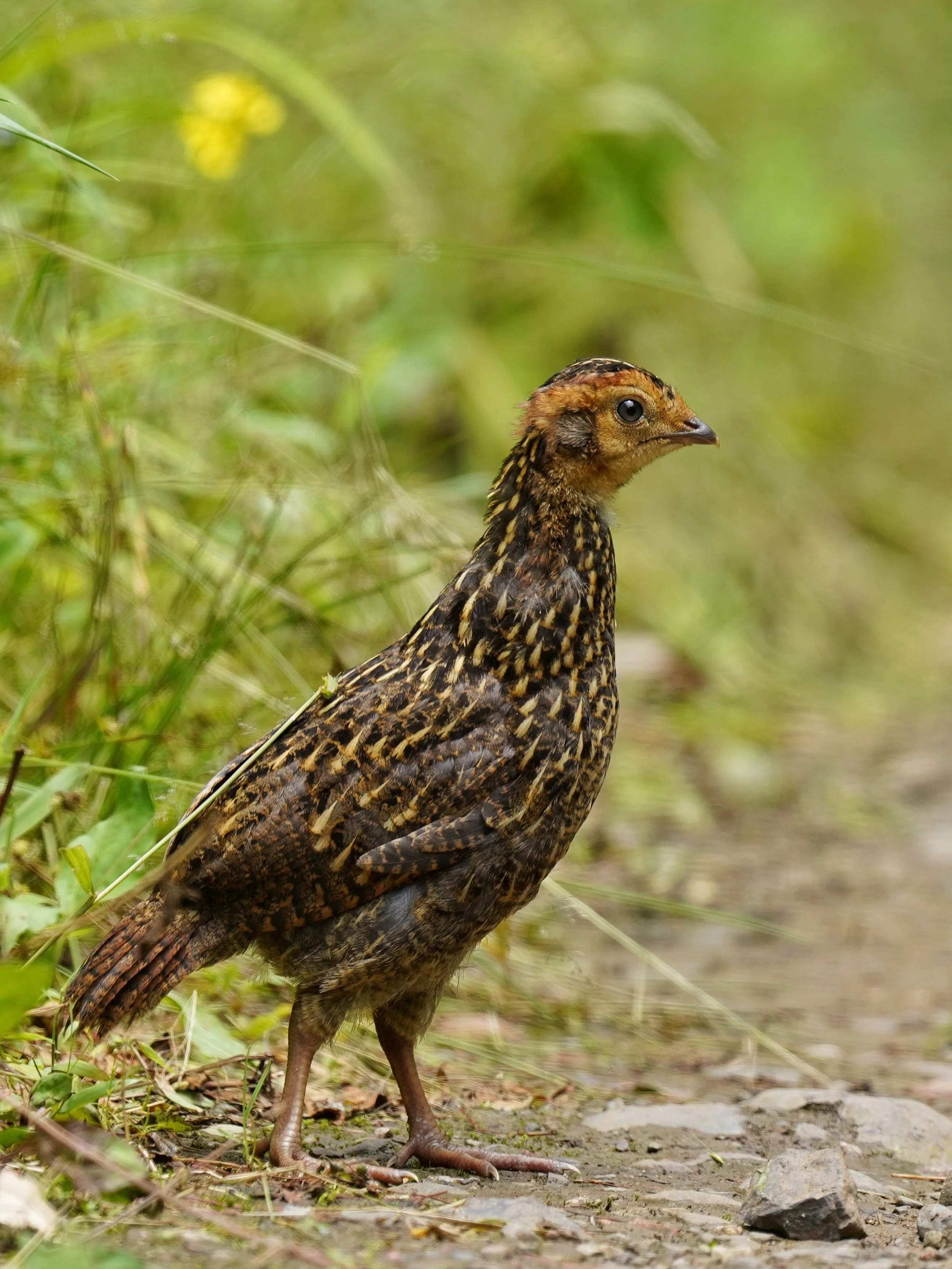
Led by our WWF registered environmental educator and guide, you will search for rare mammals such as the Red Panda and Sichuan Takin, both flagship species of the Giant Panda National Park. With exceptional luck, sightings of a wild Giant Panda are also possible. The journey highlights China’s iconic endemic birds, including the Chinese Monal and Sichuan Partridge, alongside some of the region’s most spectacular pheasants such as Temminck’s Tragopan, Blood Pheasant, and Lady Amherst's Pheasant, observed in their natural mountain habitats during the peak breeding season.
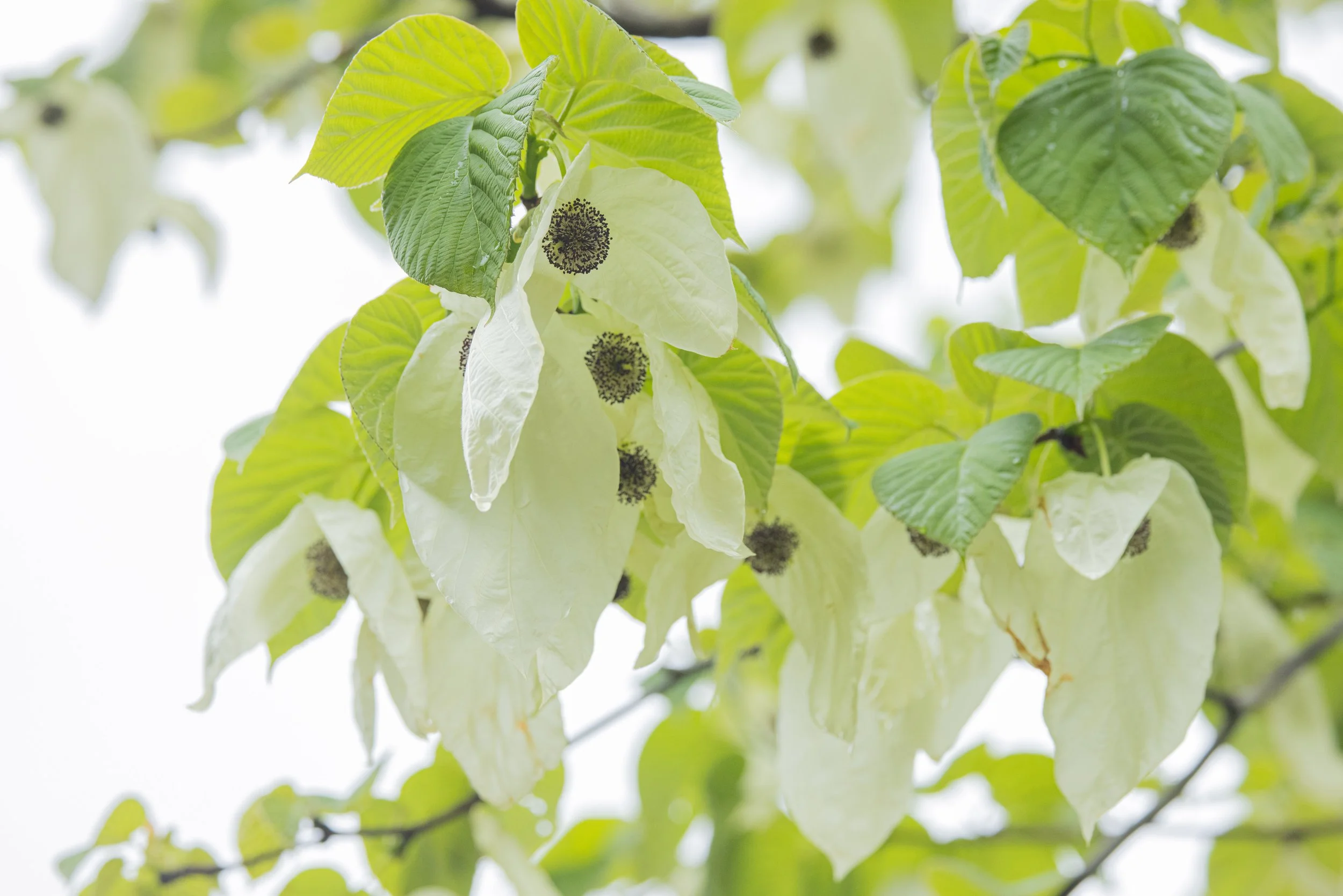
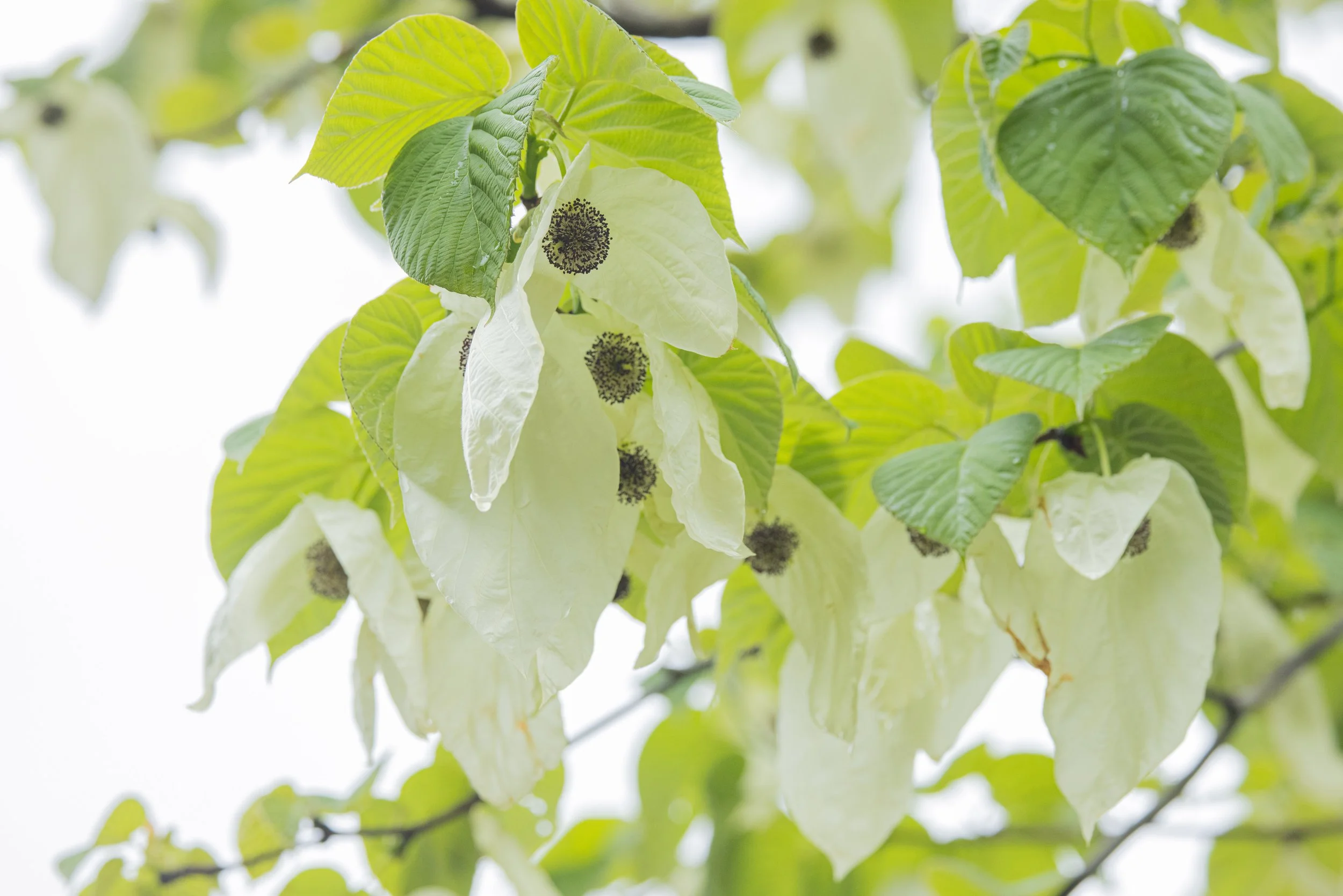
In spring, the ancient Dove Tree blooms across the forest, adding a distinctive botanical highlight to this field-based wildlife experience.
HIGHLIGHTS of the Journey
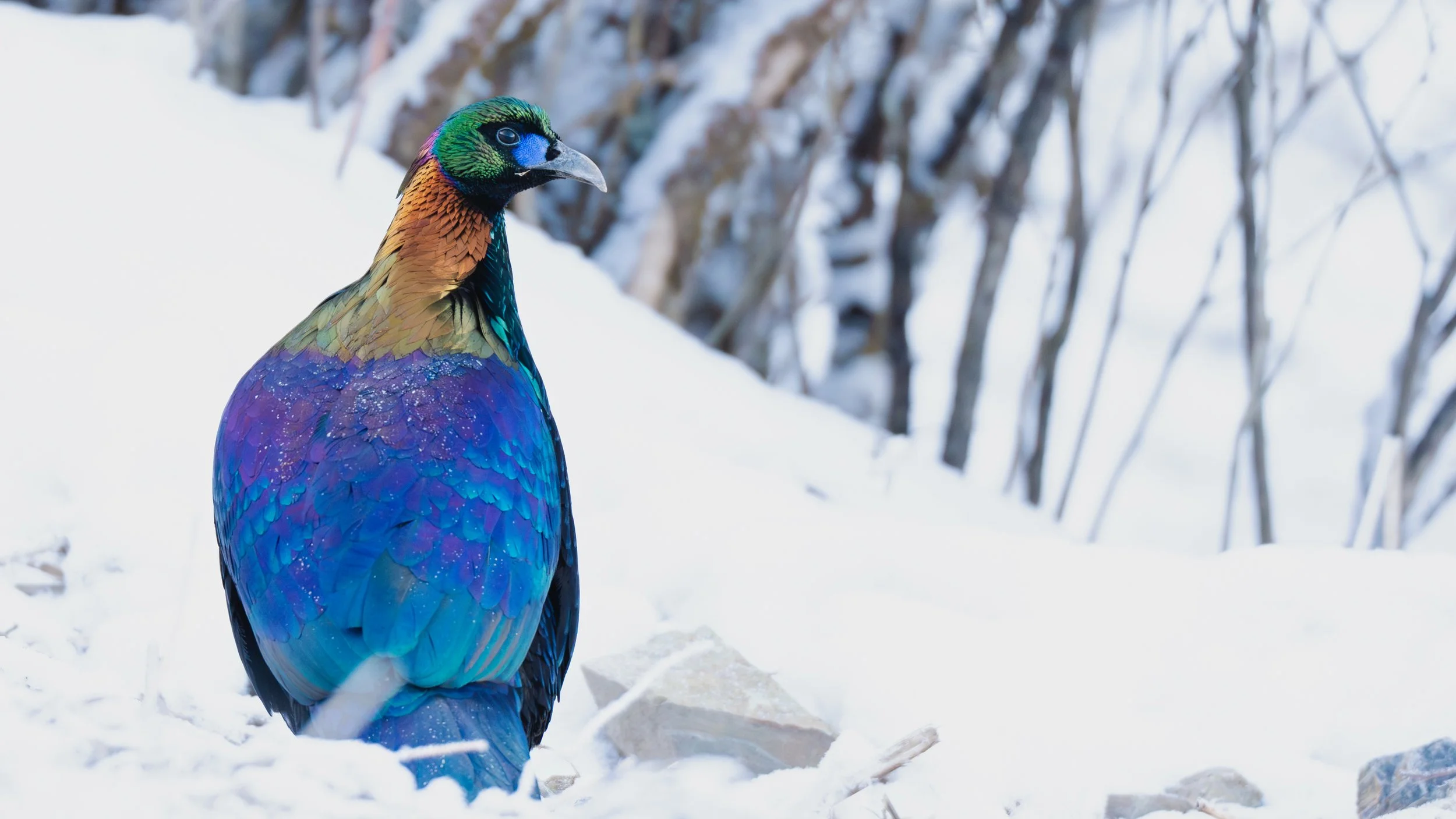

China’s Endemic Wildlife Heartland
Venture into one of China’s most endemic species-rich regions and observe iconic birds, including Chinese Monal, Sichuan Partridge, and Pere David’s Tit.
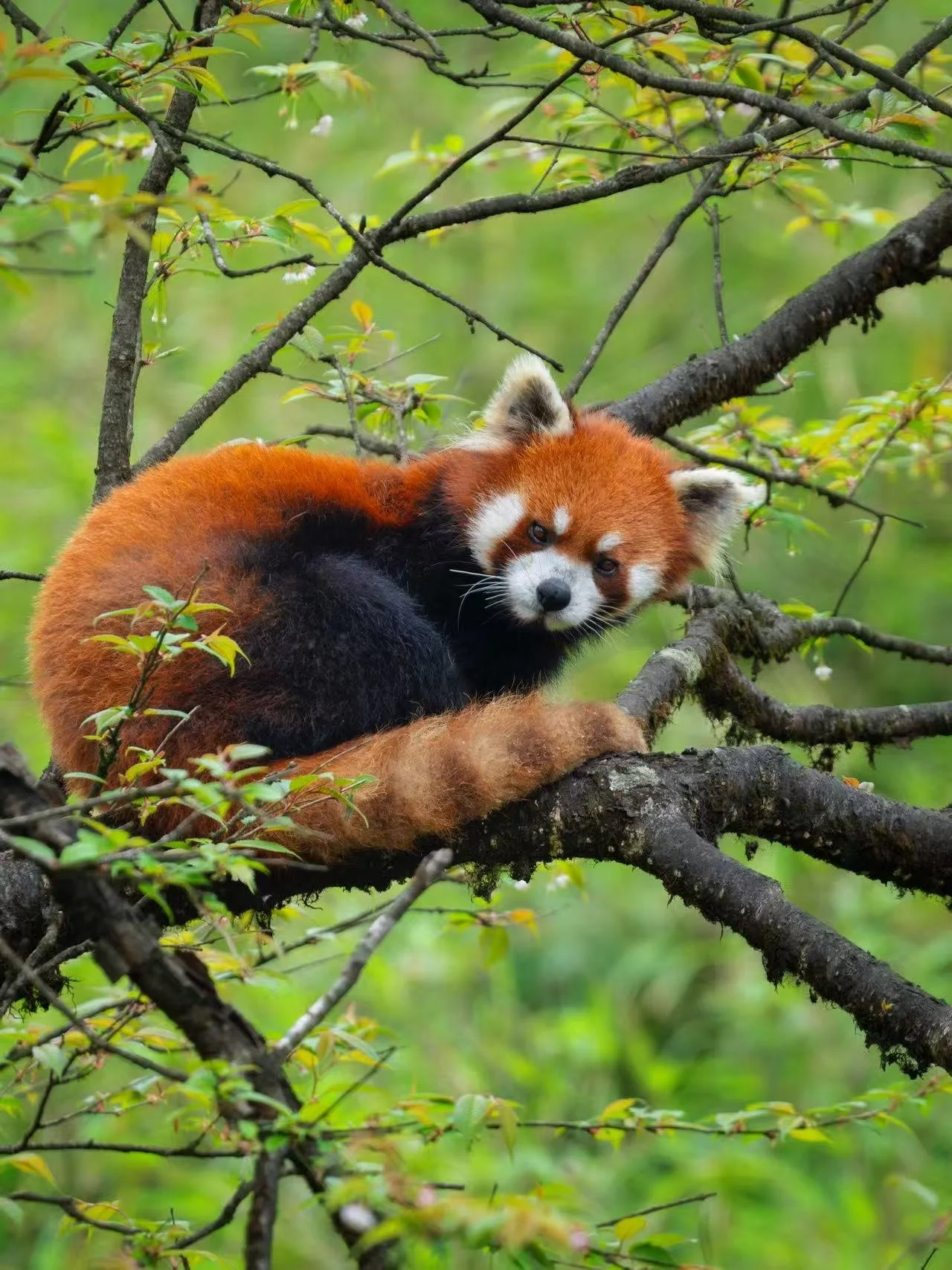
Ecounter Wild Red Panda
China is home to the world’s largest red panda population. This trip focus on prime habitats, specially packaged to maximize your chances of sightings.
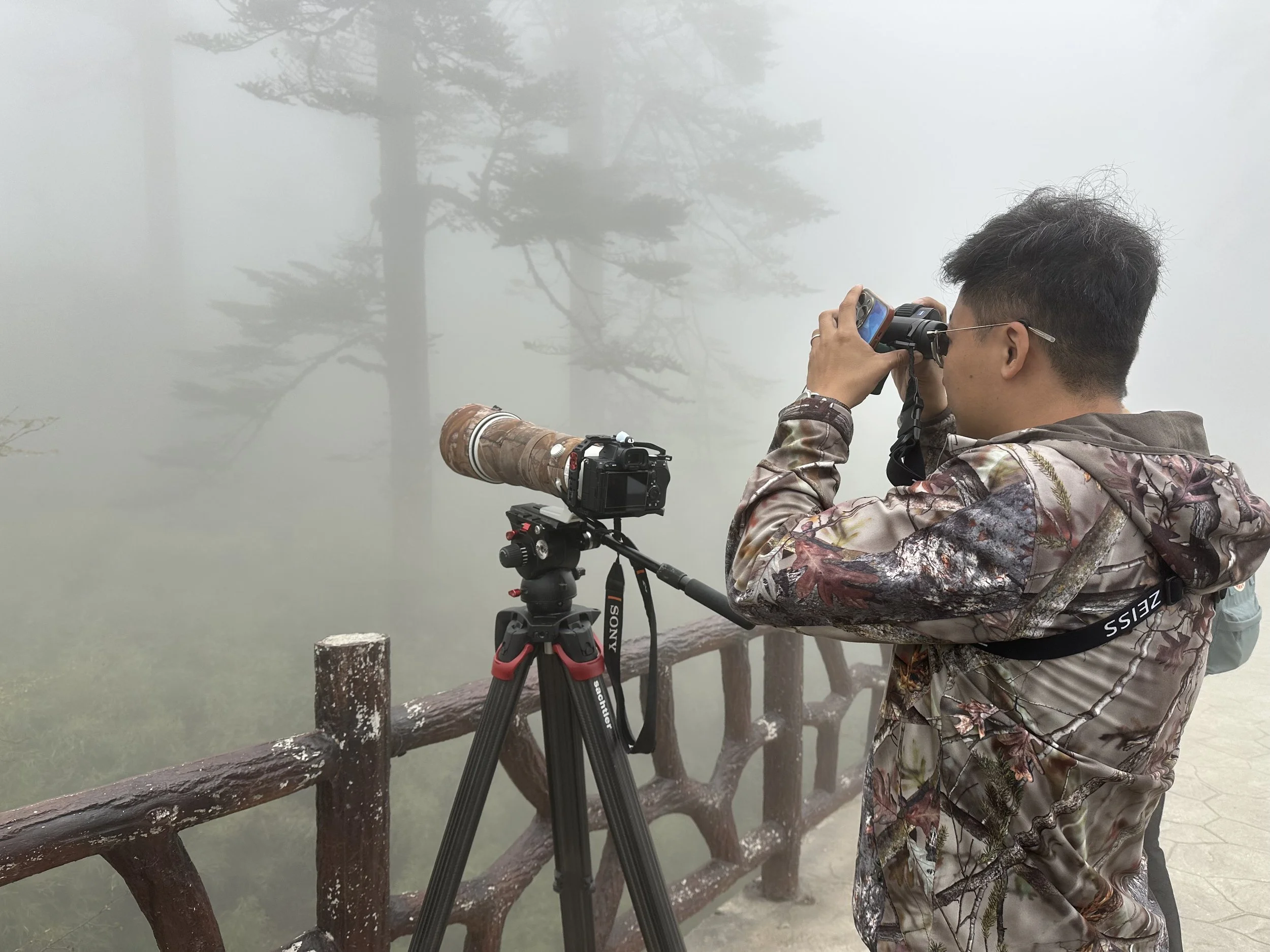
Led by Wildlife Experts
Follow our WWF and Sony-endorsed wildlife photographer and local experts to gain ecological knowledge and photography guidance for capturing striking images of rare wildlife.
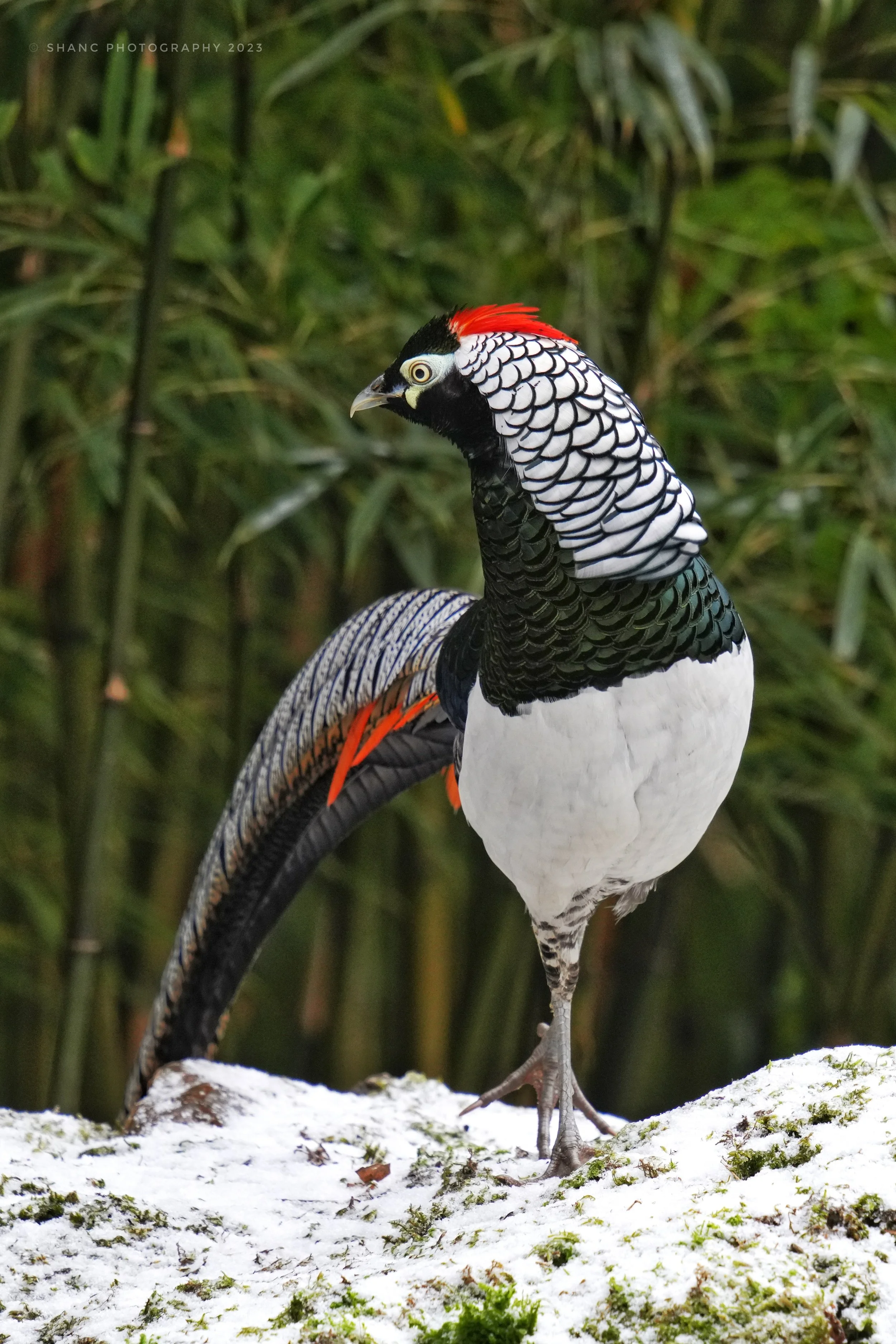
Into the World of Pheasants
Meet magnificent pheasants as China leads the world in pheasant diversity, from Chinese Monal and Blood Pheasant to Lady Amherst’s Pheasant and White Eared-pheasant.
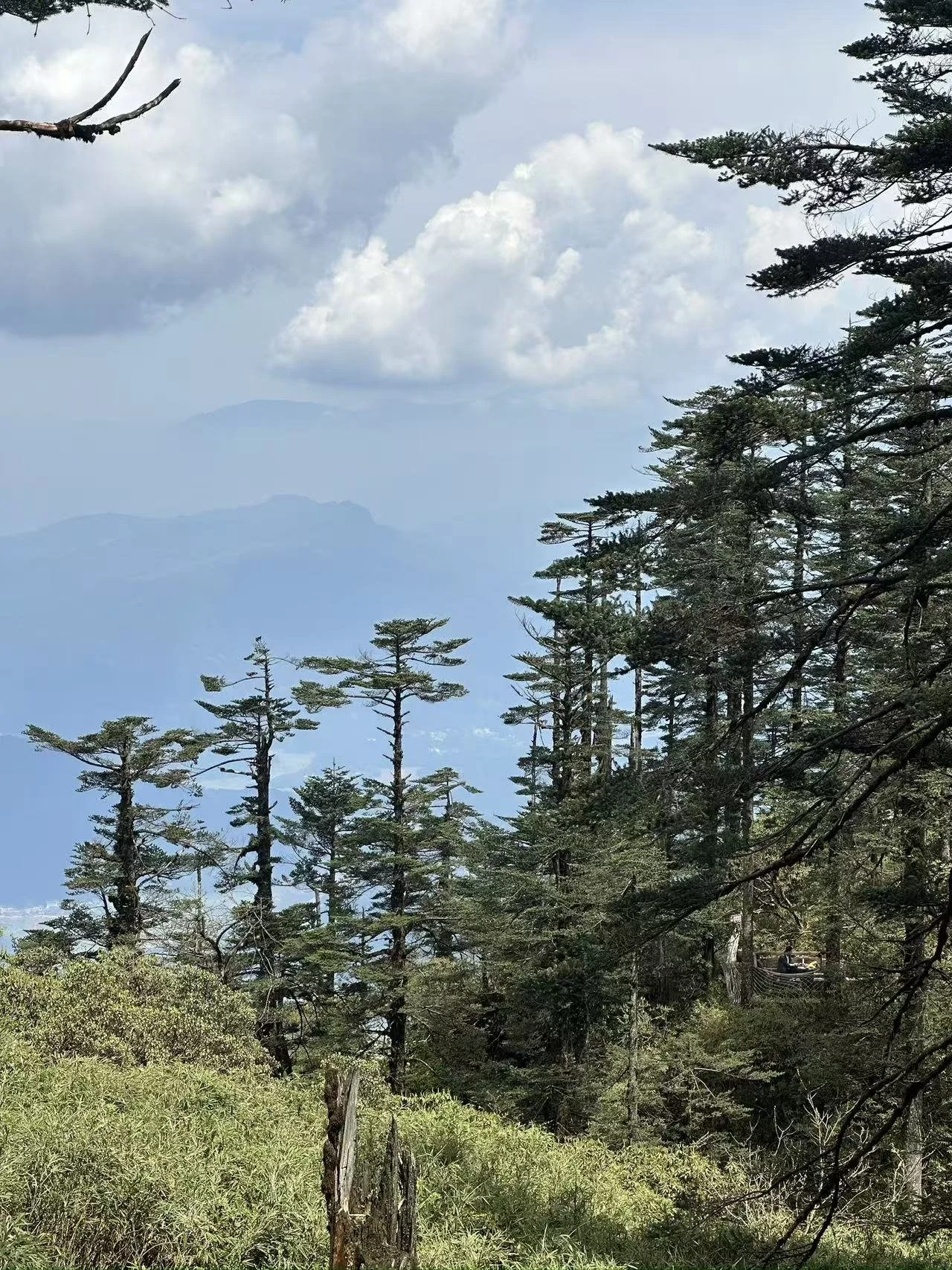
A Rare Encounter with Giant Pandas
Encounter Giant Panda within the Giant Panda National Park if extremely lucky, where wild sightings are recorded every summer.
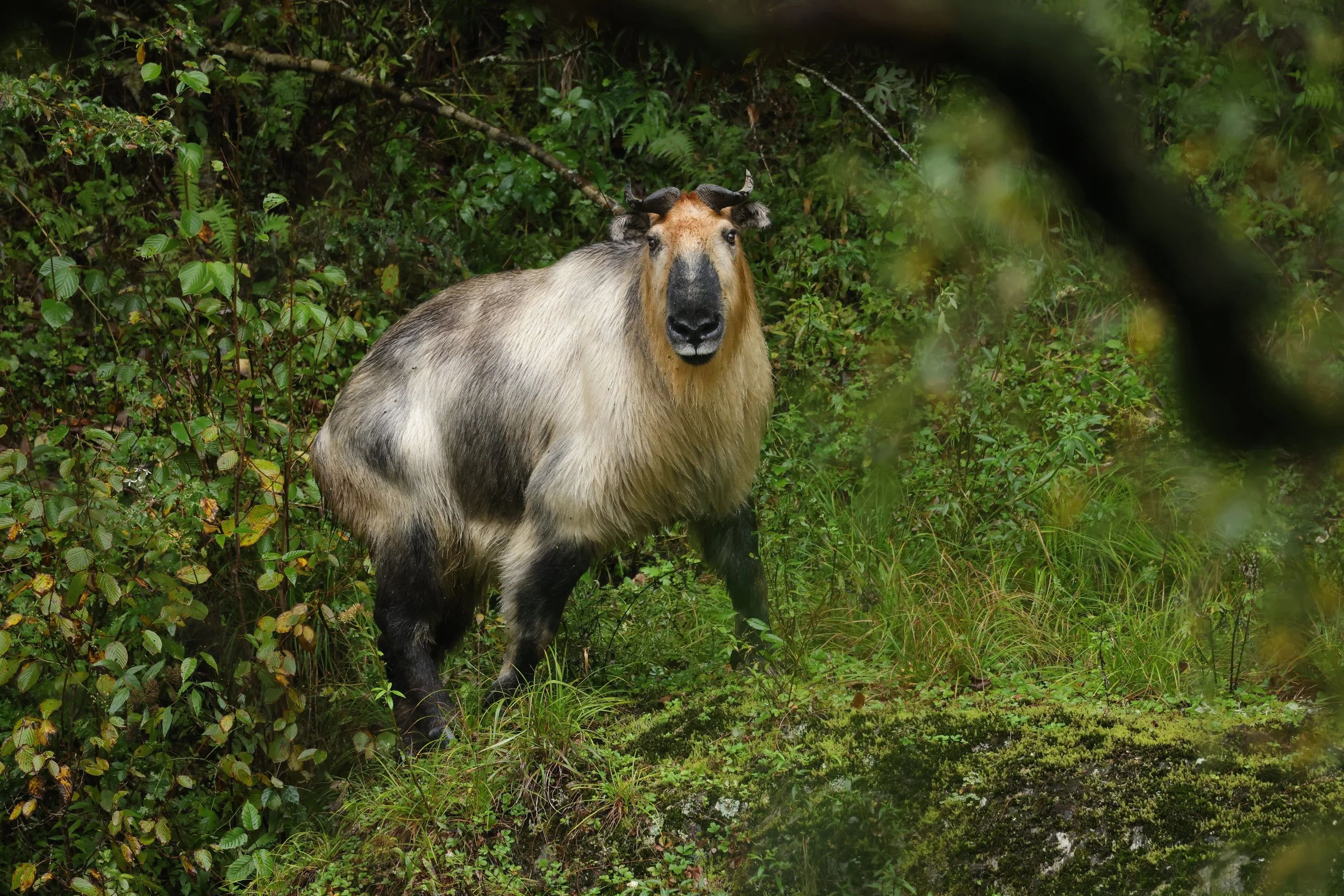
Encounter Flagship Mountain Mammals
Meet the Sichuan Takin and the Golden Snub-nosed Monkey in alpine forests, flagship mountain mammals of the Giant Panda National Park.
Your Guide:
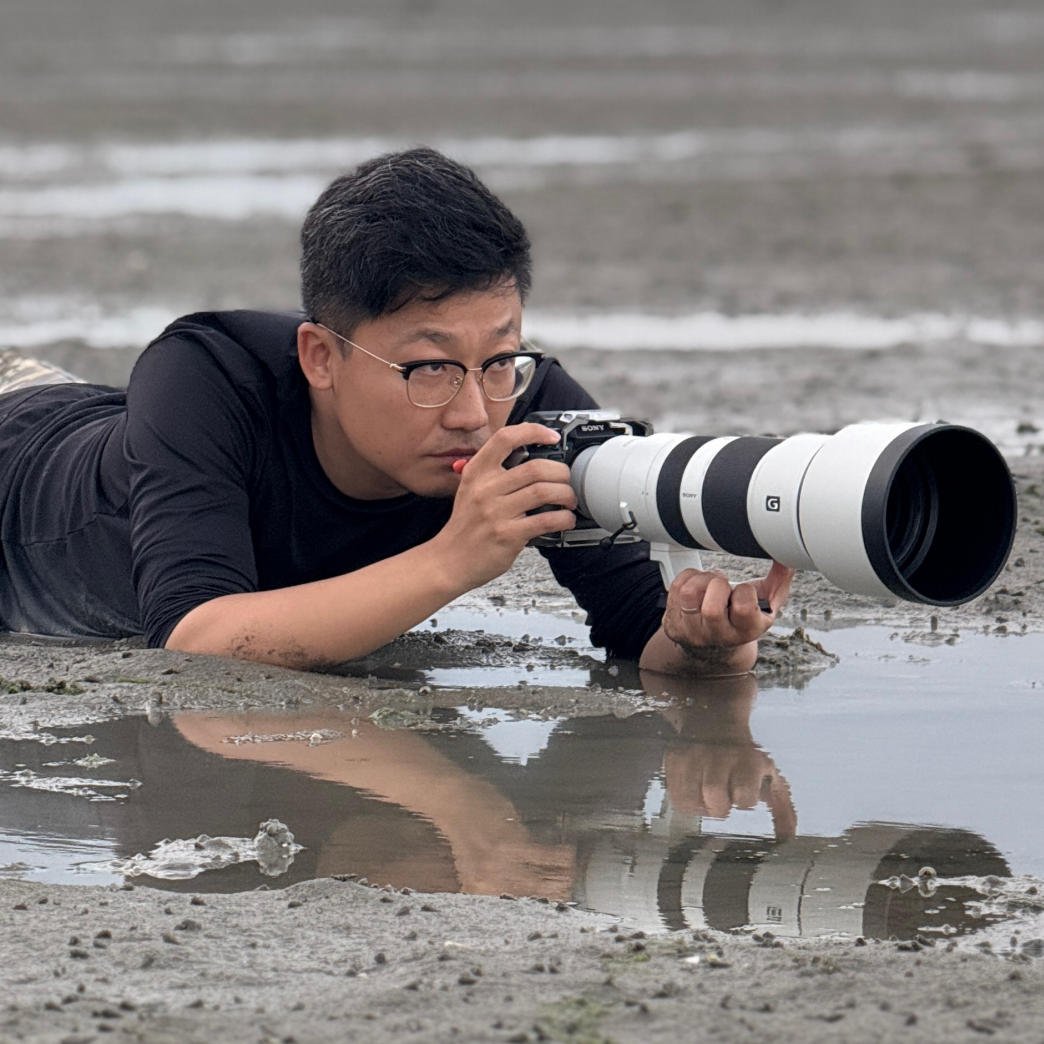
Your Wildlife Guide Shan Cheng
As a wildlife photographer and Sony-endorsed ecological photography instructor, Shan brings elite technical expertise to every expedition.
He is a WWF-registered environmental educator and a contributing photographer for Xinhua News Agency and China National Geographic. Having documented over 1,000 bird species and 100 mammals across China, he has also contributed to wildlife programming for CCTV.
Bilingual in Chinese and English, he has spent over 5 years leading specialized birding tours nationwide. His deep field experience, combined with a warm and engaging personality, ensures a professional, highly communicative guiding style that bridges the gap between expert tracking and world-class photography instruction.
*All pictures are taken by our photographer.
-
Begin in Chengdu, where your guide welcomes you at the hotel and each guest enjoys a dedicated airport pick-up by our designated transfer driver. If you arrive early, you may join a city birdwatching walk at Huanhuaxi Park, observing egrets and forest birds in a poetic setting near Du Fu’s Thatched Cottage. In the evening, gather for a welcome dinner and a brief itinerary overview, preparing for the journey ahead.
Dinner included
-
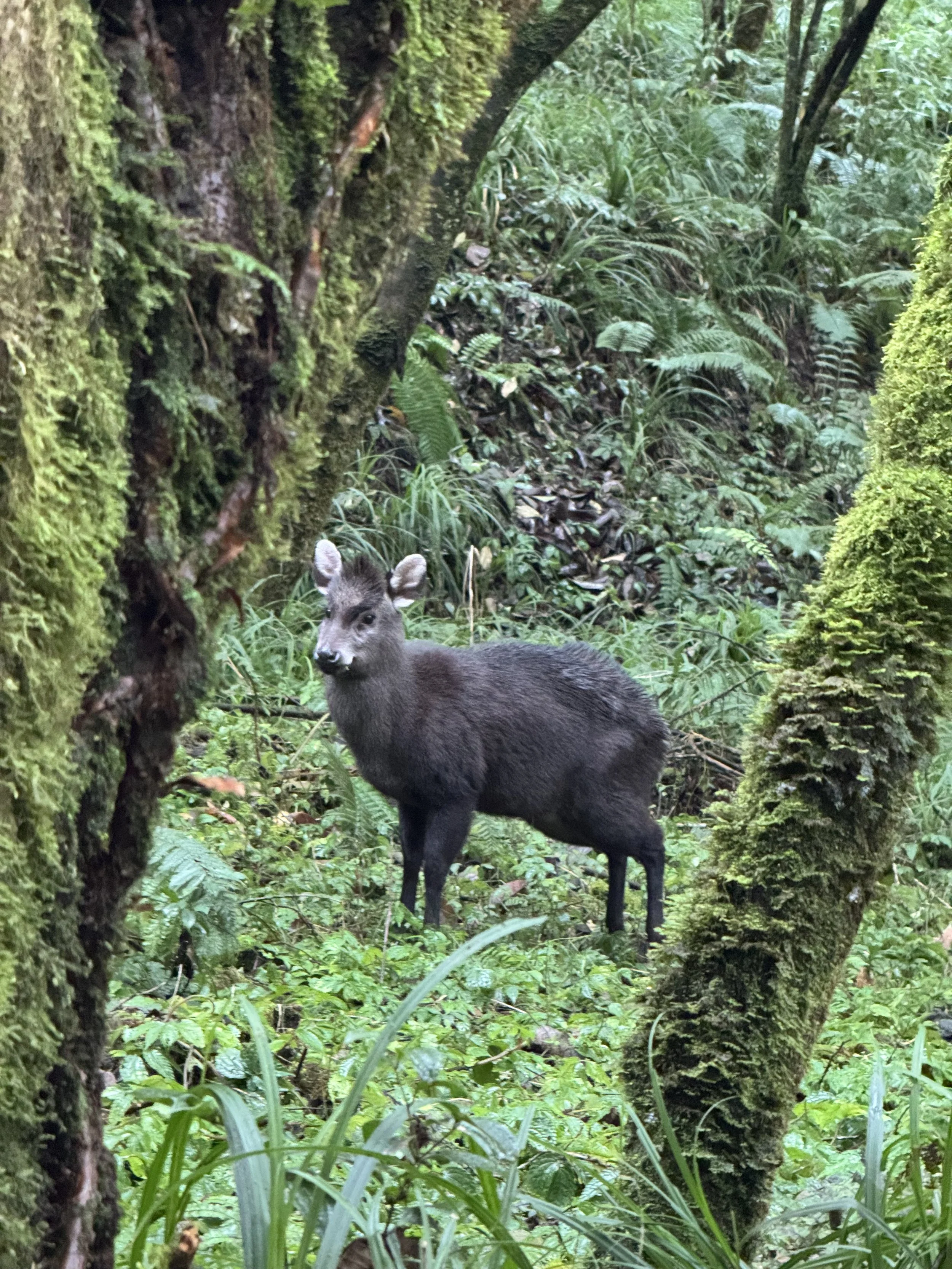
Depart from Chengdu and travel to Dujiangyan, visiting the China Giant Panda Garden for a close encounter with the giant panda. After lunch, we travel to Tangjiahe National Nature Reserve, one of the world’s low-altitude area with the highest mammal encounter rates. As a core area of the Giant Panda National Park, Tangjiahe is home to Giant Panda, Golden Snub-nosed Monkey, Sichuan Takin, Reeves’s Muntjac, and Mainland Leopard Cat. In the afternoon, explore the river valleys in search of wildlife, then check in and rest early for nocturnal observation.
Target Species:
China’s Endemic Species: Giant Panda, Sichuan Takin
Other Species: Red Panda, Reeves's Muntjac, Tufted Deer
Breakfast, lunch and dinner included
Elevation: 2000 m
Hiking Time: 3 hours -
Today, we open the day with an early-morning nocturnal wildlife observation in Tangjiahe, using quiet, low-disturbance techniques guided by professionals. Focus on species more active and visible in darkness, especially the elusive Mainland Leopard Cat and Tawny Fish Owl, while searching river valleys and forest edges for sightings or fresh tracks. Later in the day, continue exploring Tangjiahe’s forests by vehicle or on foot for birdwatching and wildlife spotting. At dawn or dusk, patiently search forest edges and grassy slopes for the Sichuan Takin, whose massive golden forms may appear silently from the trees.
Target Species:
China’s Endemic Species: Sichuan Takin,
Other Species: Tawny Fish Owl, Mainland Leopard Cat, Reeves's Muntjac
Breakfast, lunch and dinner included
Elevation: 2500m
Hiking Time: 3 hours -
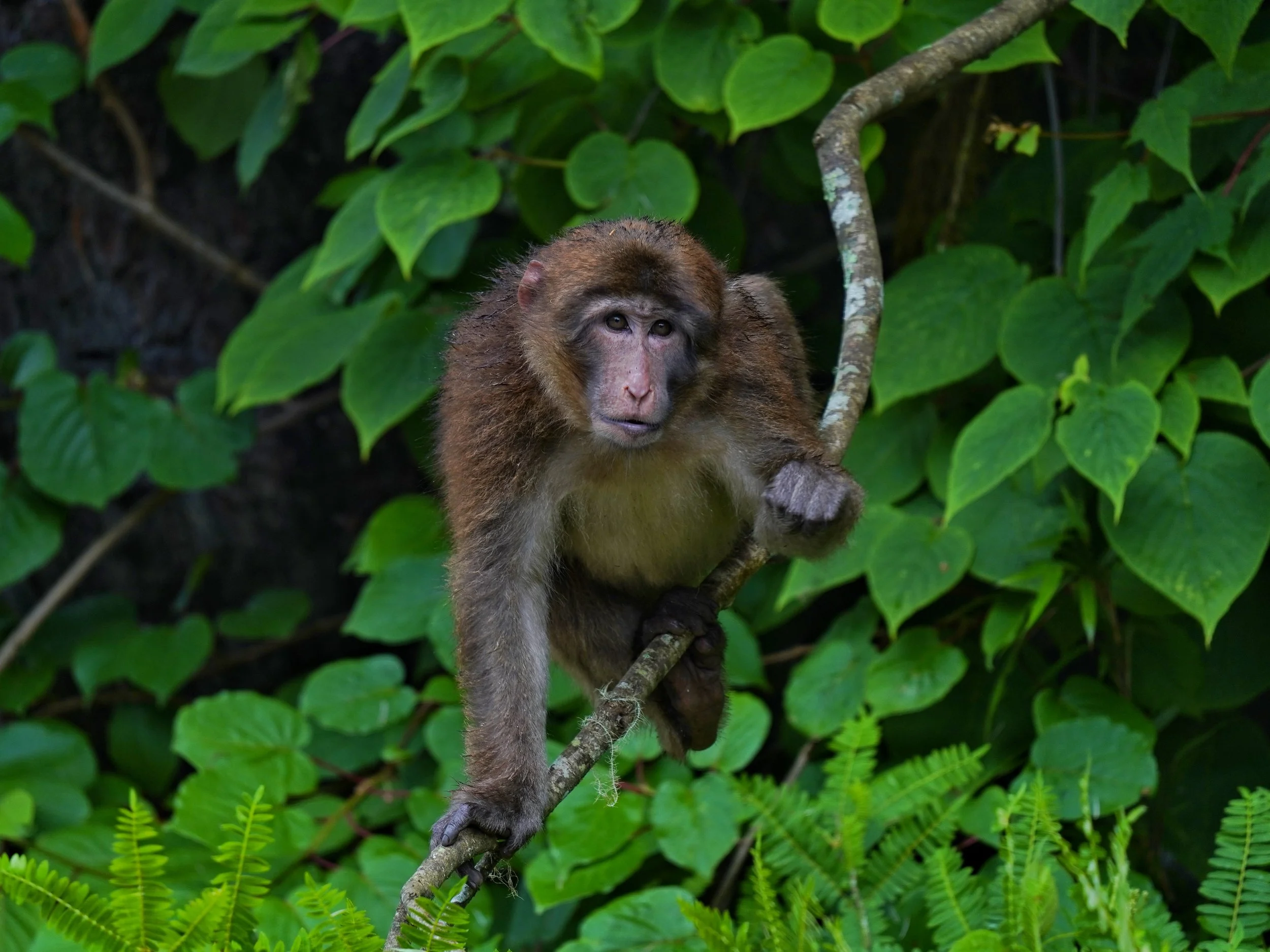
After breakfast, continue birdwatching around the hotel before driving to the Laba River Nature Reserve. Located within the Erlang Mountain National Forest Park, Laba River preserves a complete vertical ecological spectrum, from forested valleys to waterfalls and mountain lakes. The reserve supports 32 species of nationally protected wildlife, including Sambar, Tibetan Macaque, and Sichuan Takin.
Staying inside the scenic area allows effective nocturnal observation. As night falls, search for nocturnal species such as the Mainland Leopard Cat, Masked Palm Civet, and the rare Red-and-white Giant Flying Squirrel, known for its silent glides through the forest canopy.
Target Species: Mainland Leopard Cat, Masked Palm Civet, Red-and-white Giant Flying Squirrel, Sambar
Breakfast, lunch and dinner included
Hiking Time: 3 hours -
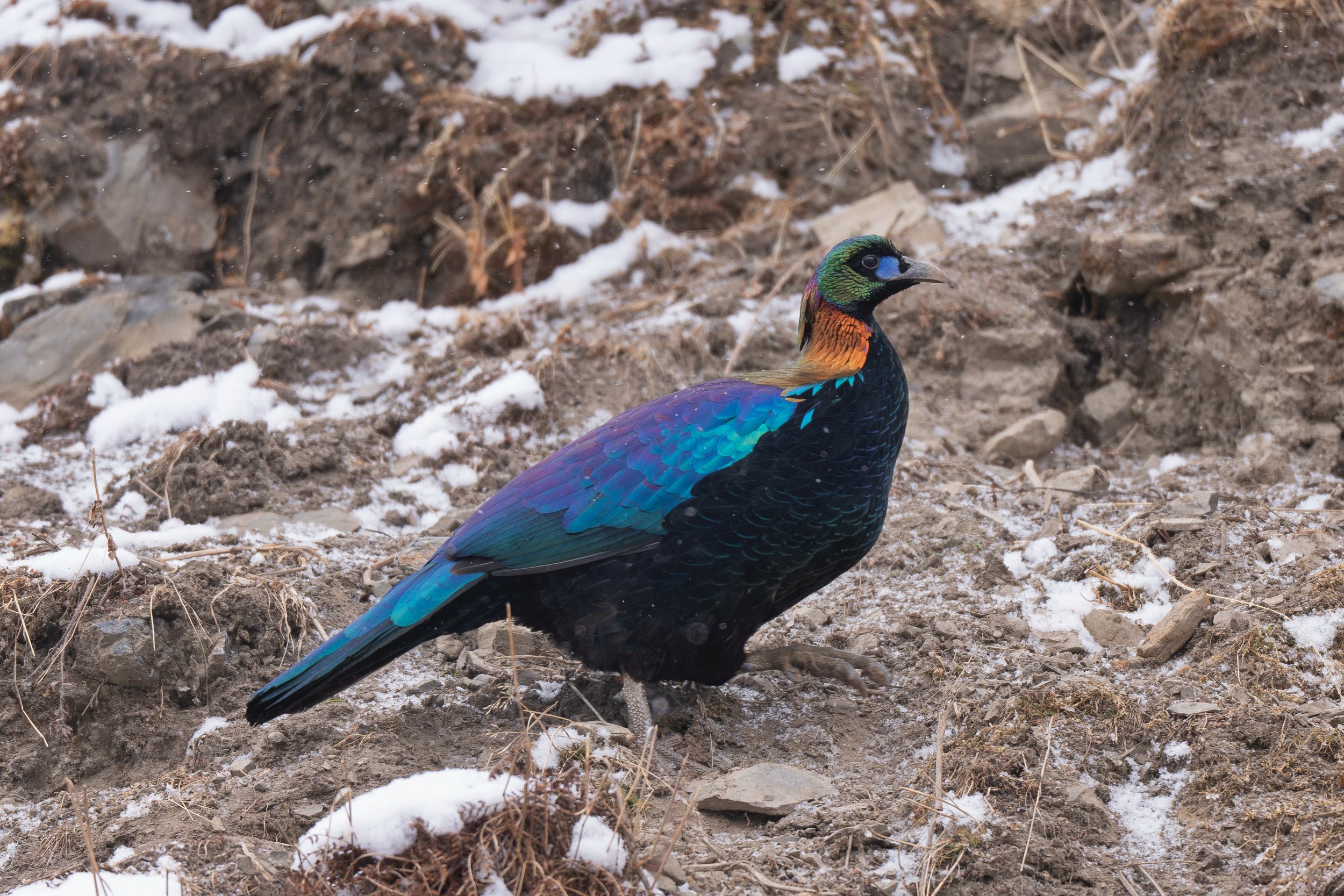
Today focuses on the Chinese Monal, a China endemic known as the “Sacred Bird of Sichuan Mountain.” In the early morning, take the cable car to high elevations and walk the boardwalks in search of this iconic pheasant. In misty conditions, wildlife activity often increases. With luck, Giant Panda may be seen in the trees.
In the afternoon, descend to the valleys to continue observation. From April to June, the journey coincides with the Chinese Monal’s breeding season, offering a chance to witness courtship displays. Night observation continues for nocturnal mammals.
Target Species:
China’s Endemic Species: Chinese Monal, Pere David's Tit, Dove Tree
Other Species: Red Panda, Sambar, Golden Eagle, Himalayan Vulture, Lady Amherst's Pheasant, Masked Palm Civet, Asian Black Bear, Lady's Slipper, Mainland Leopard Cat, Red-and-white Giant Flying Squirrel
Breakfast, lunch and dinner included
Hiking Time: Up to 8 hours -
After breakfast, continue searching for target species before departing toward Kangding via Pengta Township. The drive follows the Dadu River valley and mountain roads, with flexible stops for birdwatching whenever opportunities arise.
In the afternoon, reach the high mountain zone of Kangding (3400m), the highest elevation of the journey, where alpine species replace those of the lowlands. Tibetan Partridges may cross the road at close range, while Golden Eagles and Bearded Vultures patrol the skies above. Tonight, stay in a mountain homestay, offering a quiet setting surrounded by highland landscapes and birdlife rarely seen in the plains.
Target Species:
China’s Endemic Species: Pere David's Tit, Dove Tree, Cypripedium fasciolatum
Other Species: Golden Eagle, Himalayan Vulture, Lady Amherst's Pheasant, Masked Palm Civet, Asian Black Bear, Tibetan Partridge, White-browed Tit-warbler, White-throated Dipper, Rufous-breasted Accentor, Alpine Accentor, Giant Laughingthrush
Breakfast, lunch and dinner included
Elevation: 2500m-4000m
Hiking Time: 2 hours -
Today follows a flexible schedule, prioritizing high-altitude birdwatching in the Kangding mountains. The morning is devoted to searching alpine rhododendron scrub for key pheasant species, with particular focus on the Chinese Monal, alongside Blood Pheasant and White Eared Pheasant, which may appear at close range. Once key observation goals are met, travel continues toward Longcang Valley, re-entering the Giant Panda National Park. With favorable conditions, sightings of wild giant pandas are possible. Located on the northern slopes of the Daxiangling Mountains, Longcang Valley is known for its extensive dove tree forests and intact montane ecosystems, offering an immersive forest experience without strenuous hiking.
Target Species:
China’s Endemic Species: Chinese Monal
Other Species: Blood Pheasant, White Eared Pheasant, Tibetan Partridge, Rufous-breasted Accentor, Alpine Accentor, Giant Laughingthrush
Breakfast, lunch and dinner included
Elevation: 2000m
Hiking Time: 3 hour -
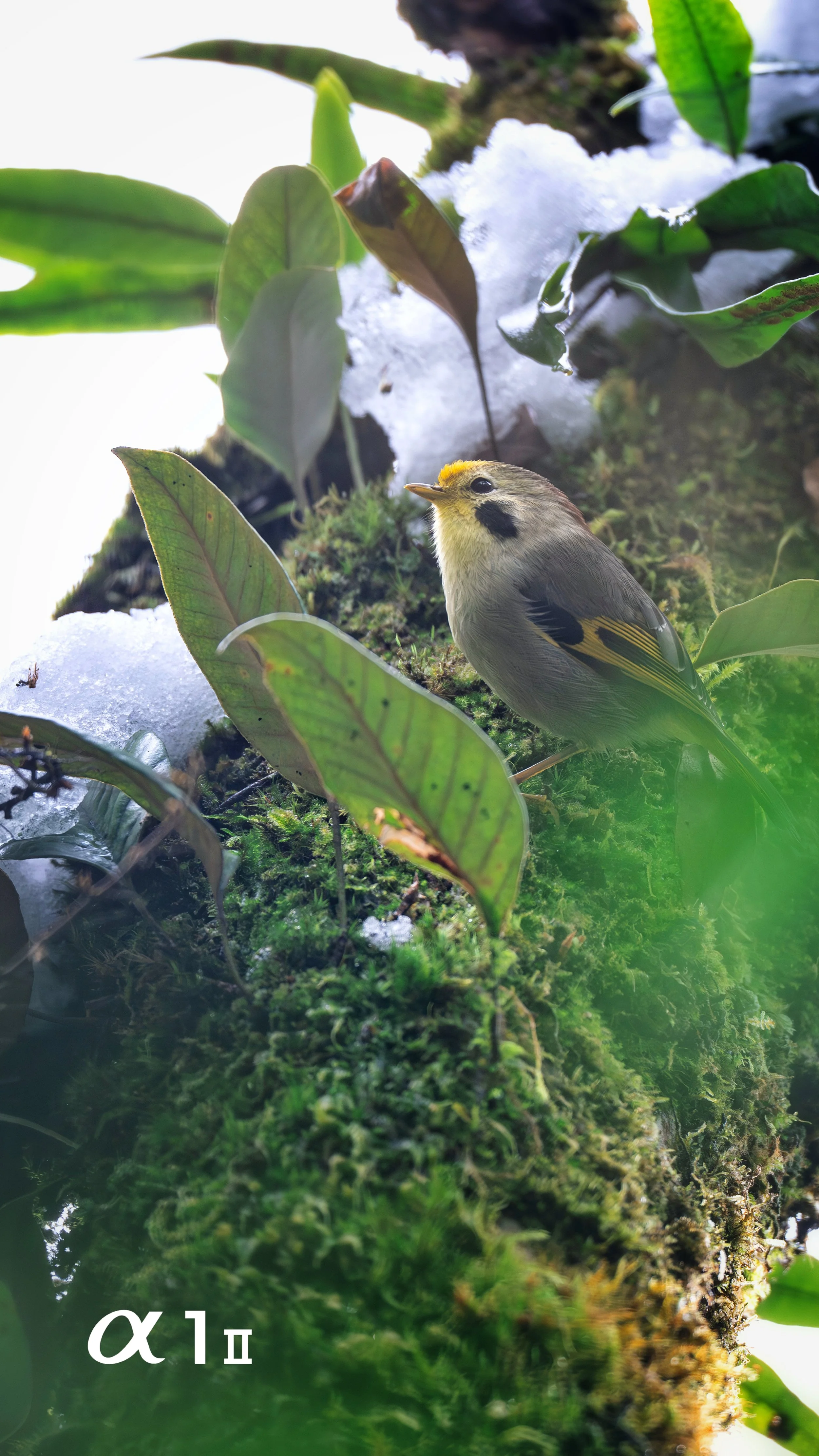
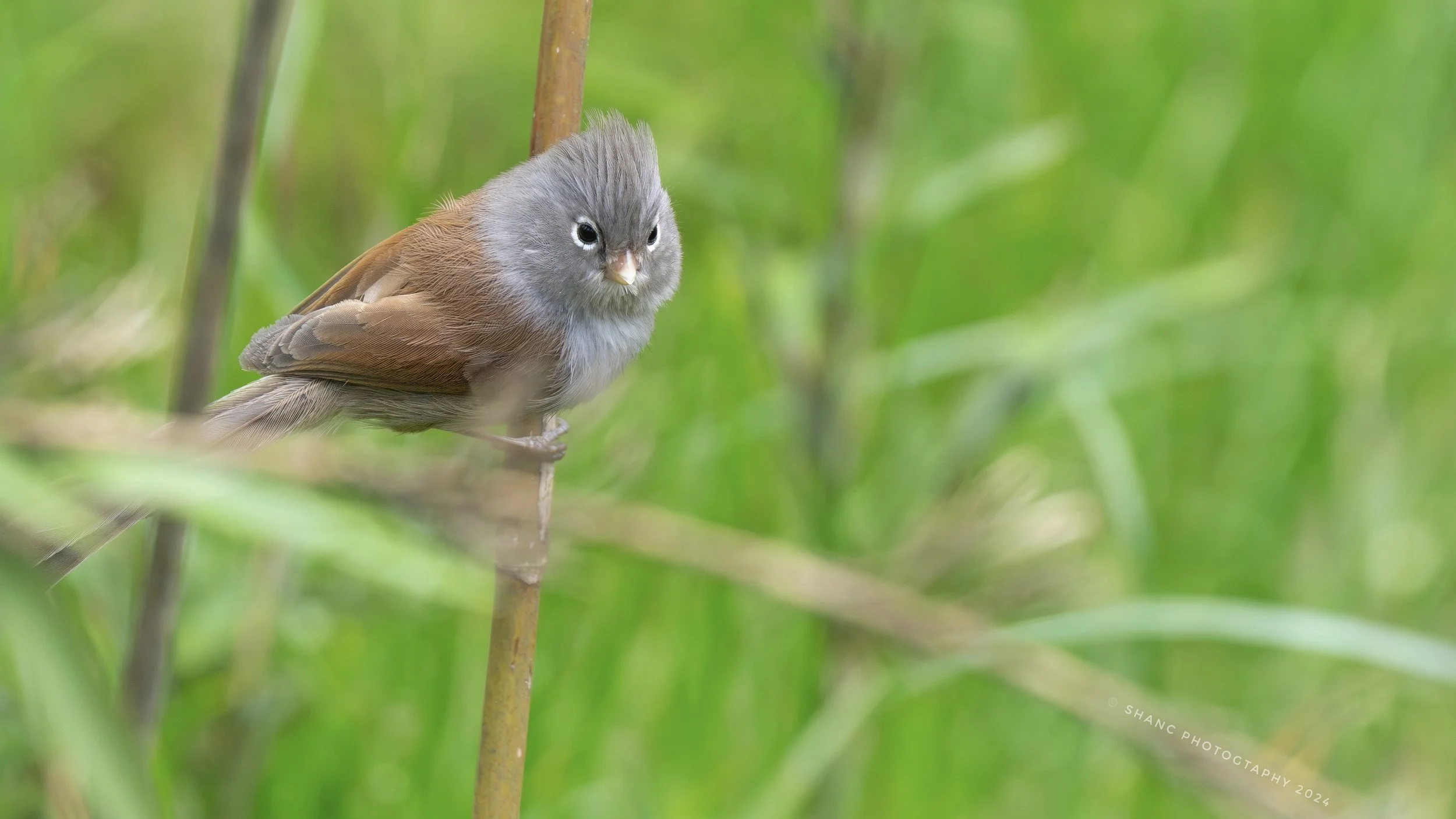
Spend the day birdwatching in Longcang Valley, moving slowly through forested areas with frequent stops for wildlife observation and photography. The valley is known for the “Three Golds”—Golden-fronted Fulvetta, Golden Parrotbill, and Golden-breasted Fulvetta. Among them, the Golden-fronted Fulvetta is a China-endemic species with a very limited distribution, and Longcang Valley is one of its key habitats. Its presence highlights the remarkable ecological value of this forest ecosystem.
Target Species:
China’s Endemic Species: Golden-fronted Fulvetta, Sichuan Bush Warbler, Emei Leaf Warbler, Grey-hooded Parrotbill, Dove Tree
Other Species: Golden Parrotbill, Golden-breasted Fulvetta, Streaked Barwing, Temminck's Tragopan, Lady Amherst's Pheasant, Great Parrotbill, Tufted Deer, Red Panda
Breakfast, lunch and dinner included
Hiking Time: 3 hours -
Continue birdwatching in Longcang Valley, with the morning schedule remaining flexible depending on key sightings. Travel onward to Wawu Mountain, where we stay on the plateau for the next two days. Wawu Mountain represents a core habitat for the Emei Shan Liocichla, a China-endemic species with a highly restricted range. Reaching the summit by cable car, continue birdwatching in dense montane forests. Known as the “Parrotbill Capital of China,” Wawu Mountain supports exceptional parrotbill diversity, with representative species including Three-toed Parrotbill, Great Parrotbill, Grey-hooded Parrotbill, and Fulvous Parrotbill, alongside one of China’s largest wild red panda populations.
Target Species:
China’s Endemic Species: Golden-fronted Fulvetta, Sichuan Bush Warbler, Emei Leaf Warbler, Grey-hooded Parrotbill,Emei Shan Liocichla, Dove Tree
Other Species: Golden Parrotbill, Golden-breasted Fulvetta, Streaked Barwing, Temminck's Tragopan, Lady Amherst's Pheasant, Great Parrotbill, Tufted Deer, Red Panda,, Himalayan Owl, Mrs. Gould's Sunbird, Grey-hooded Fulvetta, Necklaced Woodpecker, Red-billed Leiothrix
Breakfast, lunch and dinner included
Elevation: 1376m
Hiking Time: 3 hours -
Spend the full day birdwatching on Wawu Mountain, using the cable car to access high-elevation habitats and explore the summit plateau. In clear weather, the distant silhouette of Mount Gongga, the highest peak in Sichuan, may be visible on the horizon, adding a dramatic backdrop to the day’s wildlife observation.
Target Species:
China’s Endemic Species: Emei Shan Liocichla, Three-toed Parrotbill, Grey-hooded Parrotbill, Sichuan Treecreeper, Dove Tree
Other Species: Brown Parrotbill, Fulvous Parrotbill, Great Parrotbill, Eurasian Three-toed Woodpecker, Himalayan Owl, Grey-crested Tit, Elliot's Laughingthrush, Sharpe's Rosefinch, Spotted Bush Warbler, Lesser Cuckoo
Breakfast, lunch and dinner included
Elevation: 1376m
Hiking Time: Up to 8 hours -
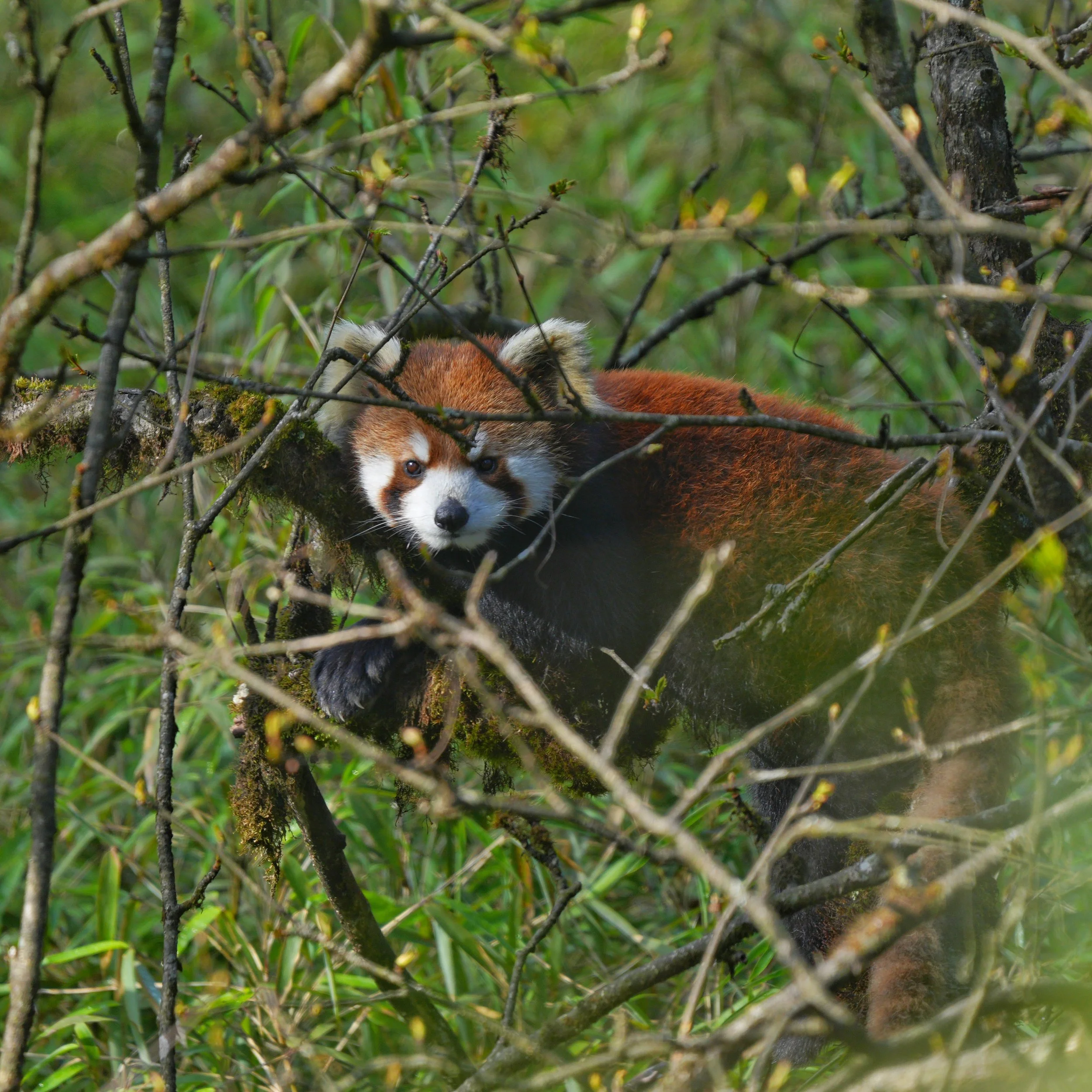
Begin the day on Wawu Mountain with a focus on searching for red pandas, alongside parrotbills and the Emei Shan Liocichla. Red pandas are occasionally seen feeding quietly or resting on tree branches, their long, fluffy tails helping them balance among the canopy. The cool, humid forests of Wawu Mountain form an ideal refuge, with dense bamboo, fir, and rhododendron providing both shelter and food. In the afternoon, descend the mountain and drive toward Longhua Ancient Town, passing through the bamboo landscapes of Muchuan.
Target Species:
China’s Endemic Species: Emei Shan Liocichla, Three-toed Parrotbill, Grey-hooded Parrotbill, Sichuan Treecreeper, Dove Tree
Other Species: Red Panda, Brown Parrotbill, Fulvous Parrotbill, Great Parrotbill, Eurasian Three-toed Woodpecker, Himalayan Owl, Grey-crested Tit, Elliot's Laughingthrush, Sharpe's Rosefinch, Spotted Bush Warbler, Lesser Cuckoo
Breakfast, lunch and dinner included
Hiking Time: 3 hours -
Today centres on the Sichuan Partridge, a Critically Endangered species endemic to southwest Sichuan. Elusive and highly sensitive to disturbance, it inhabits dense forest undergrowth, making any sighting rare and highly rewarding. The morning is devoted to searching for suitable habitat, including a short forest walk. Birdwatching continues until midday, after which we return to Chengdu for the conclusion of the journey.
Target Species:
China’s Endemic Species: Sichuan Partridge
Other Species: Temminck's Tragopan, Lady Amherst's Pheasant, Silver Pheasant, White-browed Bush Robin, Grey Laughingthrush, Red-tailed Minla
Breakfast, lunch and dinner included
Hiking Time: 1 hour -
The guide will bid you farewell at the hotel and see you off to your vehicle for the transfer to the airport, marking the end of our unforgettable wildlife journey.
Interested in a similar itinerary but want to Travel Privately?
Our Travel Experts are here to craft your perfect tailor-made holiday.
Featured Stays
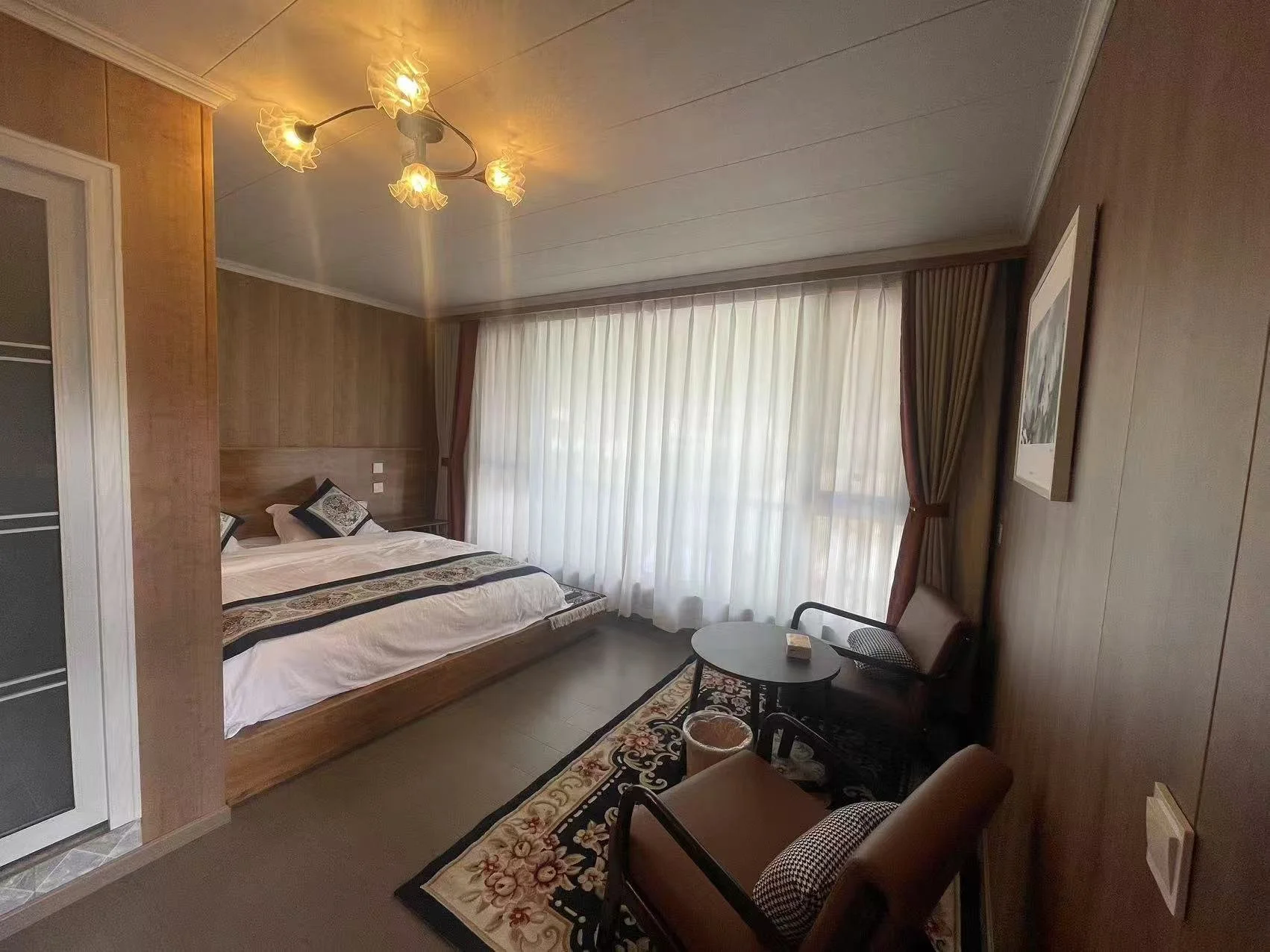
We carefully select a range of accommodations to suit different preferences, from comfortable city hotels to limited but convenient guesthouses in mountain birding areas,
all chosen for their close connection to the local landscape and culture while ensuring a consistently comfortable stay.

Hotel in Tangjiahe National Nature Reserve
Boutique
Arezeweng Homestay
Homestay

Ji Hotel (or equivalent) in Chengdu
Boutique
Photographer Gallery
-
![]()
Red Panda
-
![]()
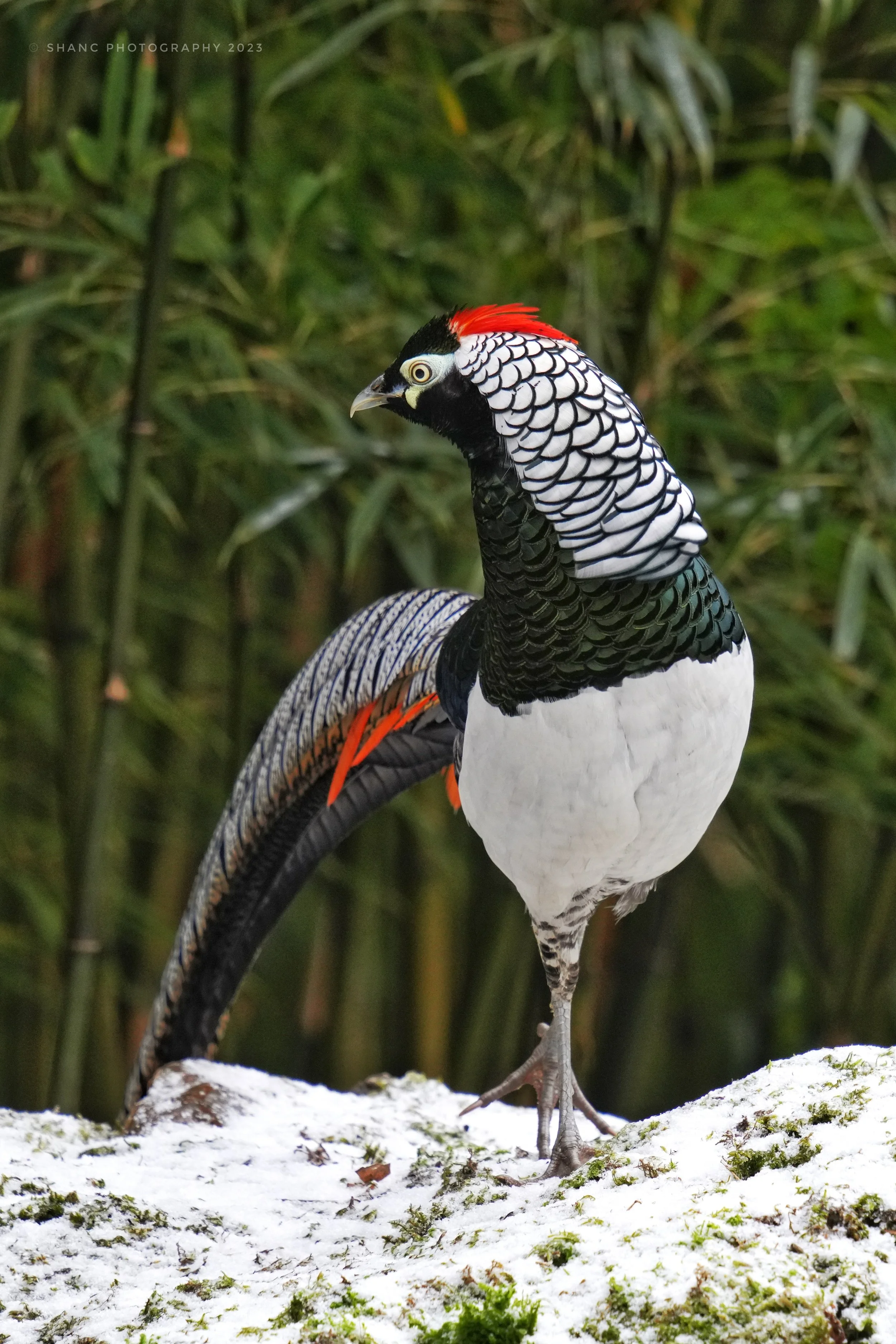
Lady Amherst's Pheasant
-
![]()
Chinese Monal
-
![]()
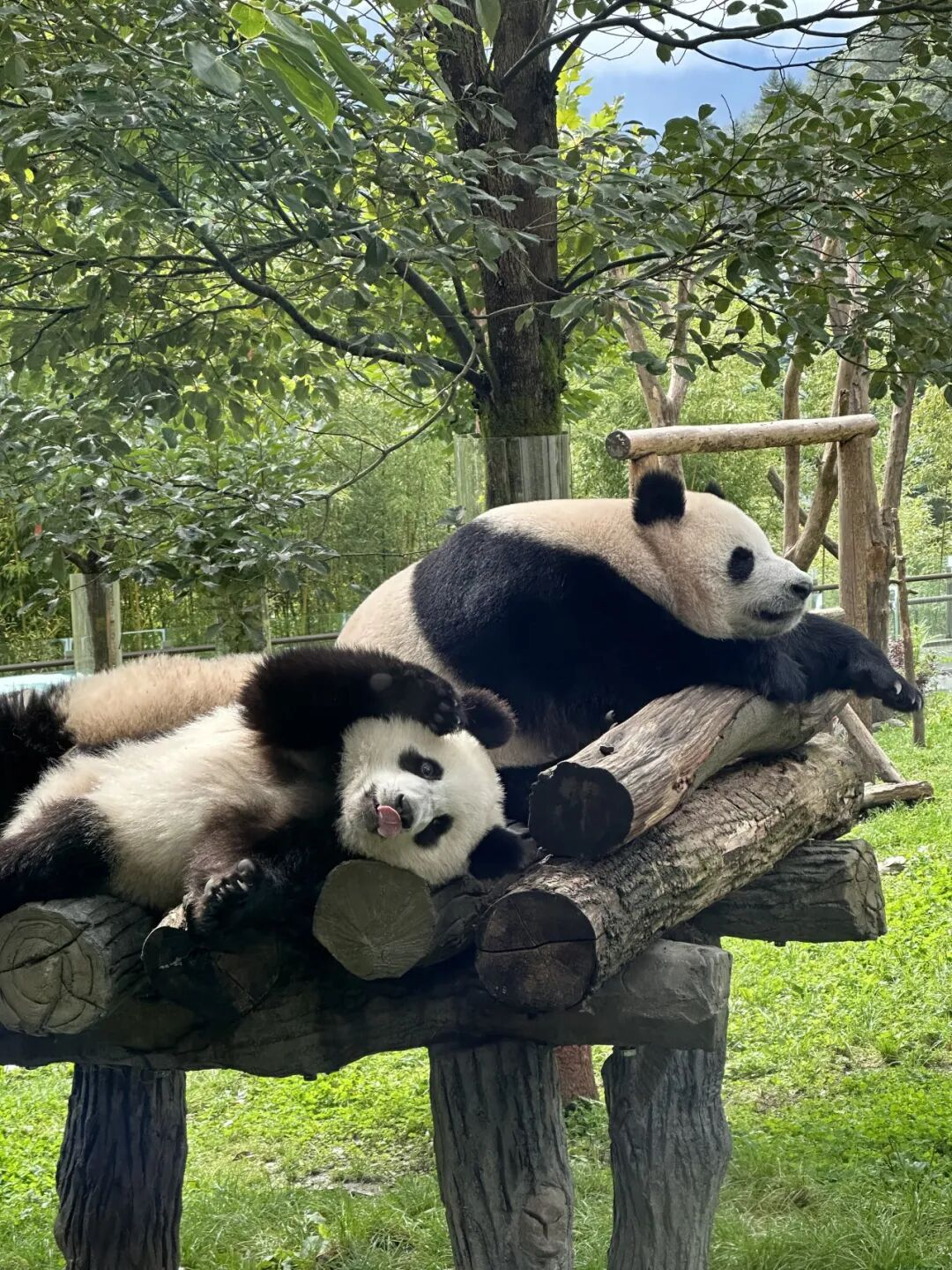
Giant Panda
-
![]()
Mount Gongga
-
![]()
Sichuan Partridge
-
![]()
Blood Pheasant
-
![]()
Sichuan Takin
-
![]()
Temminck's Tragopan chick
-
![]()
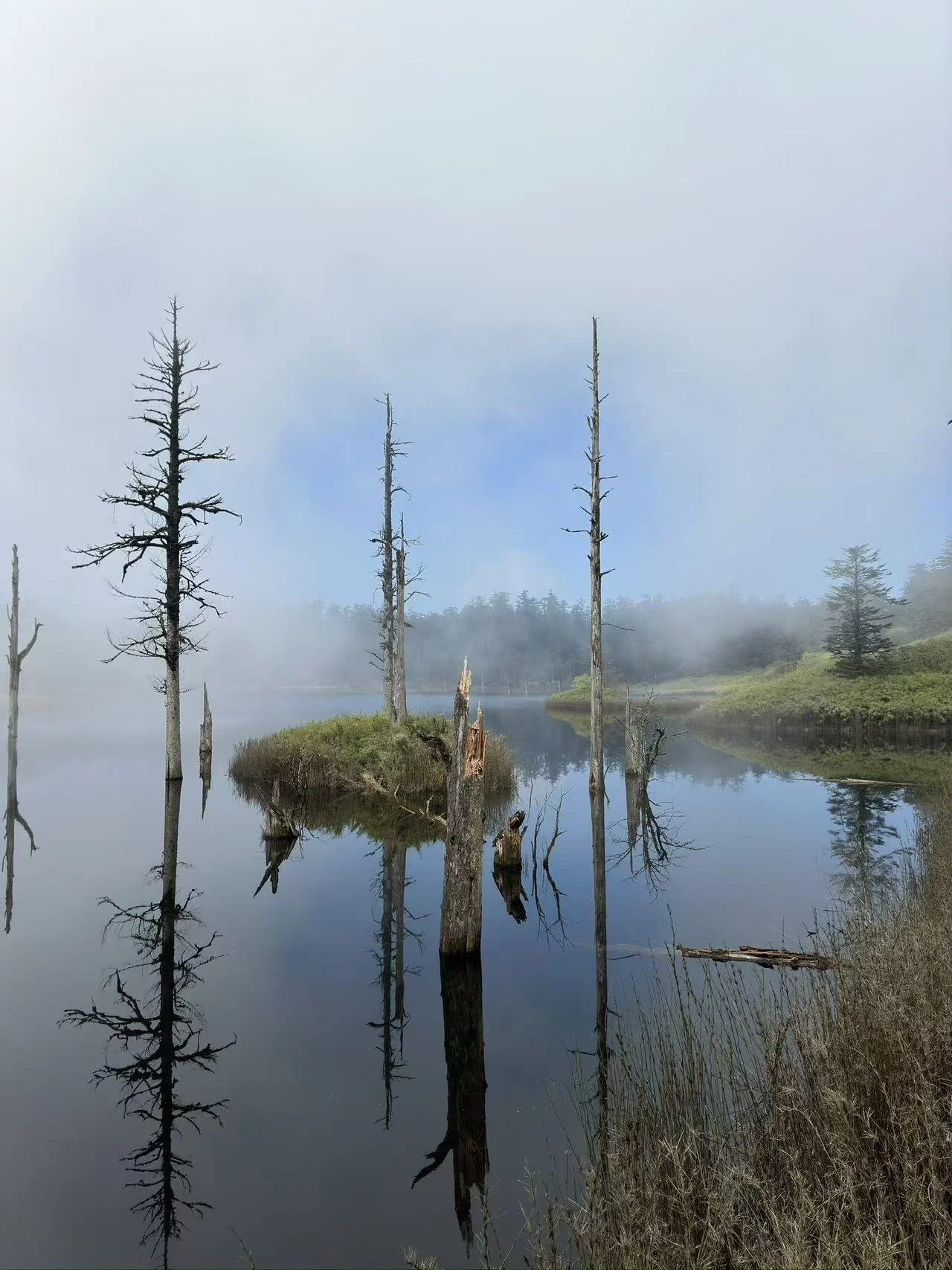
Wawu Mountain
-
![]()
Golden-fronted Fulvetta
-
![]()
Golden-breasted Fulvetta
-
![]()
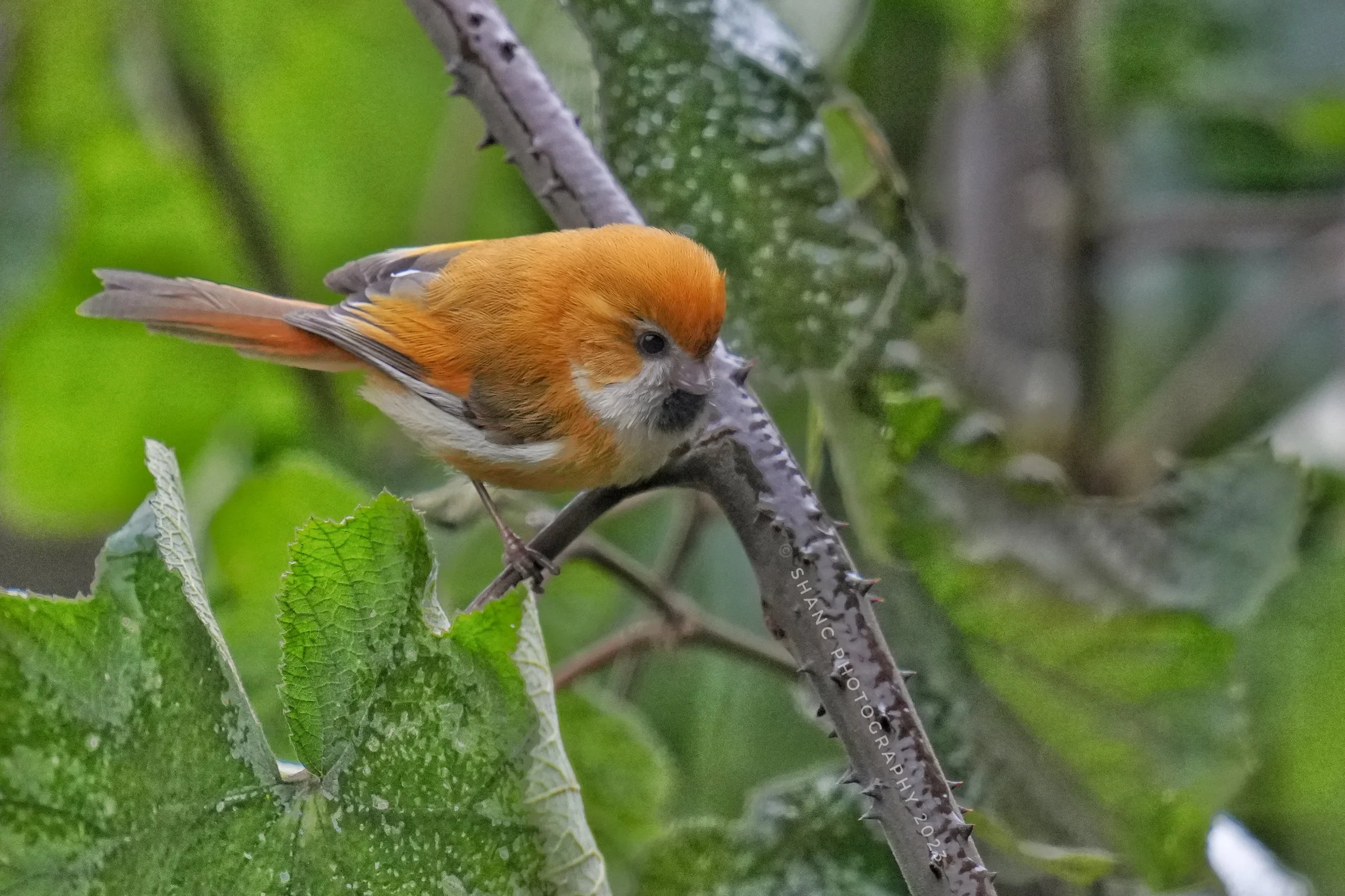
Golden Parrotbill
-
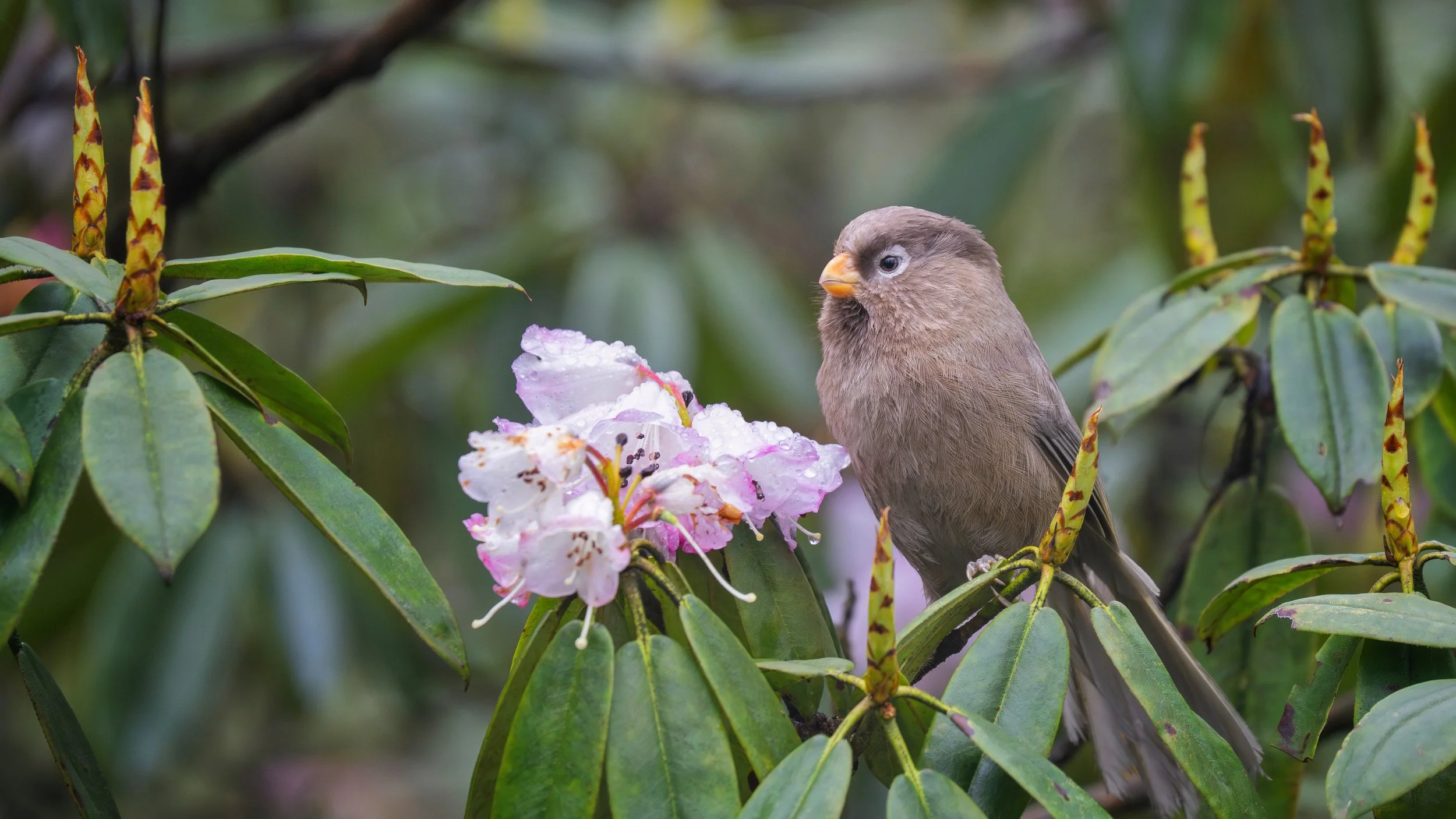
![]()
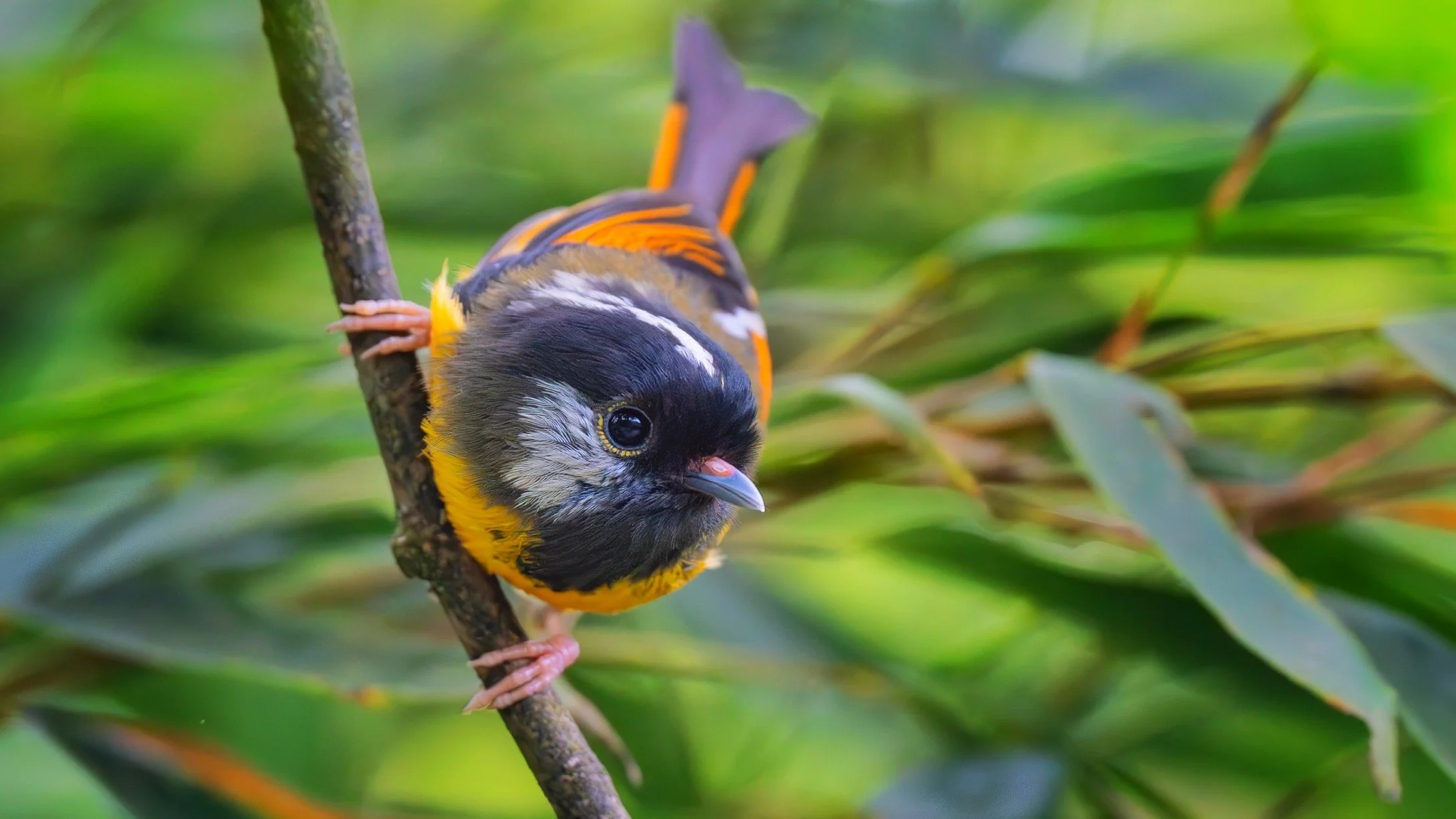
Grey-hooded Parrotbill
-
![]()
Tibetan Macaque
-
![]()
Kangding
-
![]()
Tufted Deer
-
![]()
Dove Tree
-
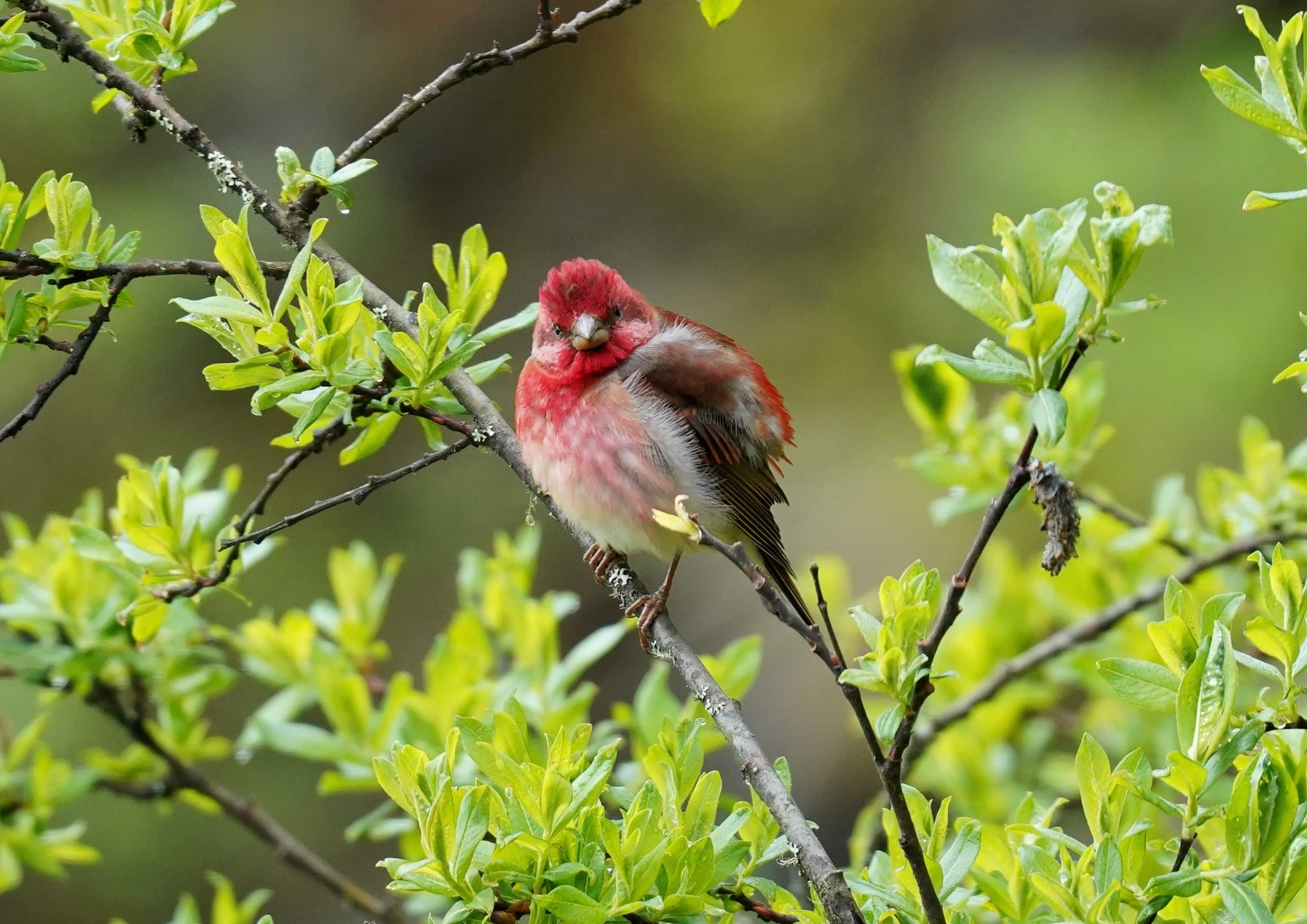
![]()
Common Rosefinch
-
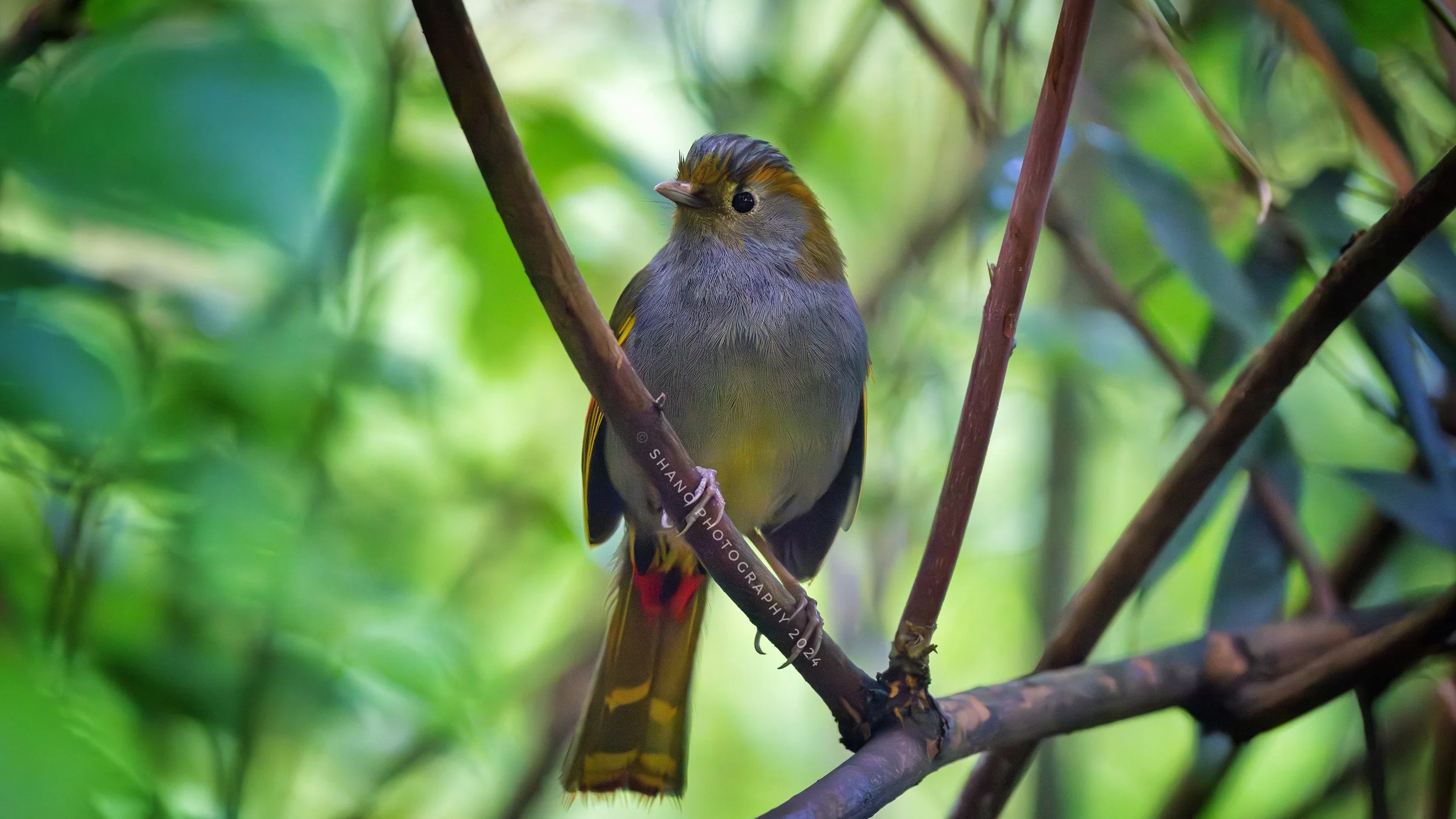
![]()
Emei Shan Liocichla
-
![]()
Three-toed Parrotbill



Giving Back
Responsible travel at our hearts
We give back by supporting bird conservation efforts across China. Through monthly donations to the "Protect Habitats, Free Flying Wings" Charity program, we contribute directly to the protection of bird habitats. We also commit to reinvesting a portion of the revenue from this journey into ongoing conservation initiatives, helping safeguard birdlife and ensuring that every pair of wings can continue to soar freely.
What’s Included:
Accommodation
Meals as specified in the itinerary
Service Team:
All services provided by the professional team as mentioned in the itinerary, including wildlife guiding, cultural interpretation, and wildlife photography coaching.
Guiding service:
A wildlife guide will lead the entire expedition
Insurance
Airport pick-up and drop-off service
What’s Excluded:
Transportation to and from Chengdu
All personal expenses
Entrance fees to attractions listed as optional
Gears:
Such as Binoculars
Group departure date:
April 7-19, 2026
May 19-31, 2026
June 3-16, 2026
Trip Costs: €4479 euros / $5270 USD per person
Single room supplement: EUR 1073 / USD 1265 for the whole trip
Group tour with fewer than 8 people. Private tour available upon request.
Send us an inquiry
Begin Your Unique Journey Through China.
FAQ
-
There’s never a 100% guarantee when observing wildlife. Animals live freely in vast natural habitats and follow their own movement patterns. To increase the chances of sightings, we adjust our route based on real-time information from our local network and head to areas where target species are more likely to appear. For particularly elusive bird species, we also make use of birding hides that offer quiet observation points to improve the likelihood of encounters.
-
Mammals: Around 50 meters
Birds: Varies by species — as close as 3 meters, and generally within 100 meters.
-
Use a camera model you are comfortable with. Bring extra batteries. A 500mm lens or longer is recommended, as it works well for most mammal and bird photography situations.
Binoculars (8x to 10x) are also very useful for your birding.
-
April to June and October are the most suitable months for observation. The spring window (April–June) is the only time to see the local flora in full bloom. During the autumn and winter months, please note that the elevation ranges and encounter rates for key target species may shift.
-
The difficulty level for our itinerary is largely Level 1 (Easiest), with most days requiring less than 3 hours of walking. At Laba River and Wawu Mountain, full-day birdwatching may involve up to 8 hours of walking on paved/stone paths. However, the walking duration is flexible and dependent on your stamina; you are free to stop and rest in designated areas at any time.
From: U.S. National Park Service (NPS) Extended Trail Rating System
https://www.nps.gov/shen/planyourvisit/how-to-determine-hiking-difficulty.htm
-
Our lowest point is Chengdu (approx. 500 m) and the highest is the Kangding mountain area (approx. 3,900 m).
Most of the itinerary takes place at lower elevations (1,200–2,000 m). We only enter high-altitude areas for 1–2 days, and the ascent is gradual, so the likelihood of altitude sickness is relatively low.
Our team is experienced in handling altitude-related issues. Please inform your guide immediately if you feel unwell—your safety is our top priority. If serious symptoms occur, we may adjust the route or shorten the trip.
-
Drones are not allowed inside the reserves. Please follow your guide’s instructions.
-
Please bring shoes that are comfortable for walking outdoors and also waterproof. We’re always happy to provide further advice and recommendations.
-
For safety and comfort considerations at high altitude and long distance drving, the recommended age range is 10 to 70 years old. Participants outside this range may still join, but a doctor’s certificate of good health and prior approval from the organizer are required.
-
Please check your country's visa requirements for travelling to China. If you are from a visa-exempt country, you will have a 30-day visa-free stay. Our trip lasts for 13 days, leaving plenty of time for departure. If you wish to stay longer than 30 days, please apply for a visa in advance.
Similar Trips
SIGNATURE TRIP

Group Tour
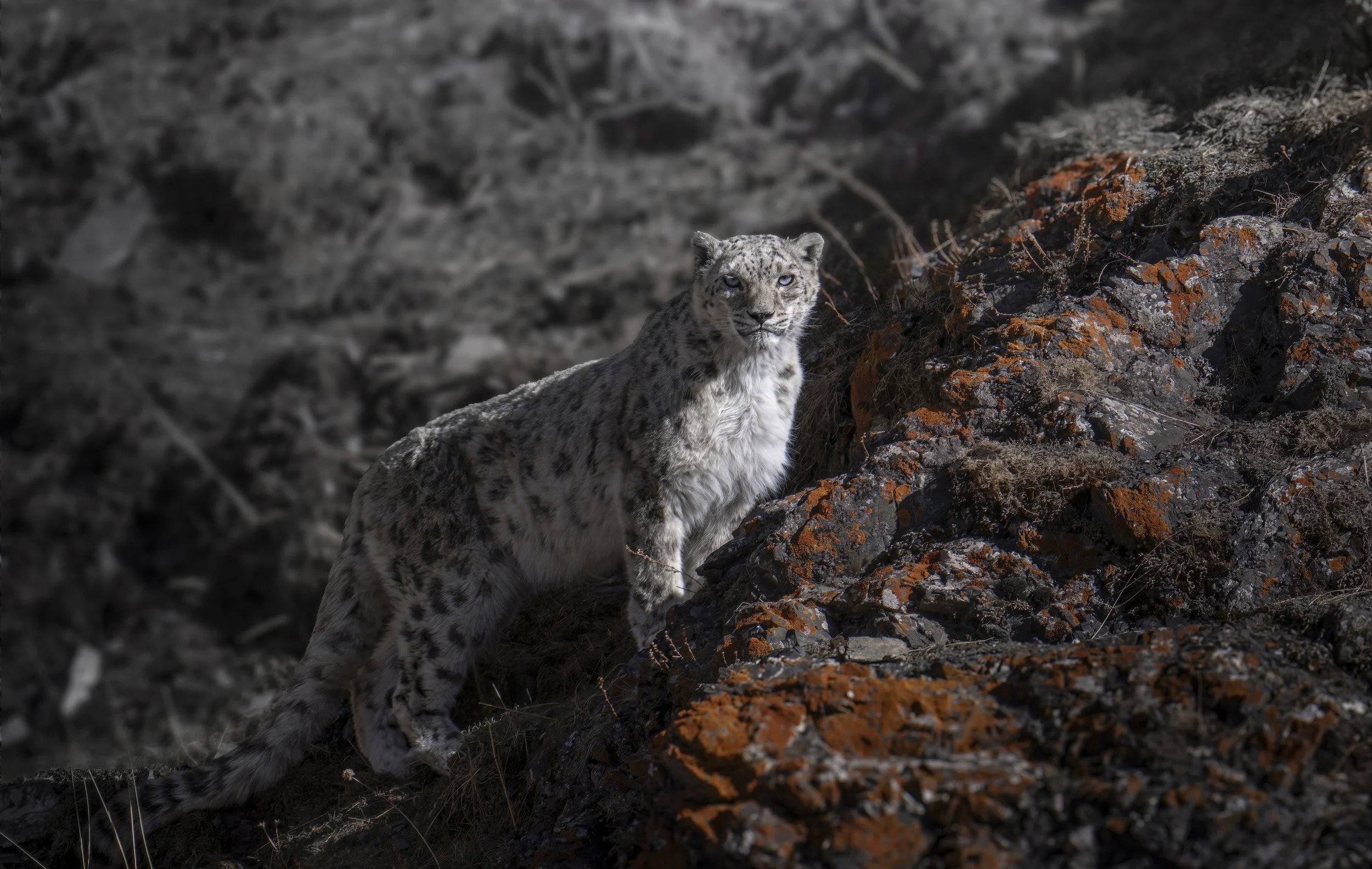
China Ultimate Snow Leopard Expedition
Guided by our local wildlife experts featured in National Geographic and Frozen Planet.
This 12-day snow leopard expedition maximises your chances of seeing wild snow leopards in China, while also giving you the opportunity to encounter nearly all the key species of the Tibetan Plateau and immerse yourself in one of the best-preserved Tibetan cultural regions in the country.
12 days from €4288 euros

SIGNATURE TRIP
Group Tour
9-Day Essence of Tibet
This 9-day journey brings you to the very essence of Tibet, from the majestic Mount Everest to the sacred Namtso Lake, and from the spiritual heart of the Potala Palace to Tashilhunpo Monastery, as well as Rongbuk Monastery, the highest monastery in the world. This is not just travel. It’s a pilgrimage across sacred cities, glittering lakes, and the world’s highest peaks. Is your once-in-a-lifetime chance to experience the very soul of Tibet
9 days from €833 euros

SIGNATURE TRIP
Group Tour
7-Day China Snow Leopard Expedition
Guided by our local specialists featured in National Geographic and Frozen Planet, you will find snow leopards, Pallas’s cats, blue sheep, white-lipped deer, wild yaks, Tibetan foxes, Tibetan antelopes, wolves, and bearded vultures.
Beyond the wildlife, the region is also rich in Tibetan culture, immerse yourself in one of the best-preserved Tibetan cultural regions in the country.
7 days from €23332199 euros (On Sale)
